Bangladesh to Import 480,000 Tonnes of Canadian Potash Fertiliser
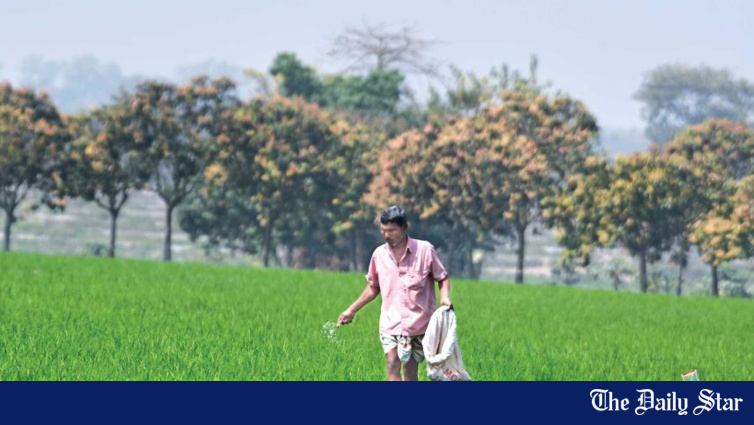
UNB, Dhaka — The Bangladesh Agricultural Development Corporation (BADC) will import 480,000 tonnes of potash fertiliser from Canada, with an option to purchase an additional 120,000 tonnes — the latest government-to-government fertiliser procurement deal aimed at securing Bangladesh's agricultural input supply chain against the backdrop of global price volatility triggered by the Iran war.
Bangladesh and Canada recently signed a government-to-government contract for the import of Canadian potash fertiliser between September 2026 and March 2027. The deal was signed by the Canadian Commercial Corporation, the Government of Canada, and BADC, formalising the latest phase of a multi-decade potash supply partnership.
🌏 30 Years of Canada-Bangladesh Potash Partnership
Canada's potash partnership with Bangladesh spans more than 30 years. Since 2014 alone, approximately 3.5 million tonnes of Canadian potash have been supplied through the government-to-government mechanism, the Canadian High Commission in Dhaka confirmed.
The longevity of this partnership is strategically important for Bangladesh, given that the country imports the bulk of its potash (MOP - Muriate of Potash) requirements to support its intensive agricultural system. Bangladesh's agricultural sector depends on a reliable supply of four key fertilisers: urea, DAP (Diammonium Phosphate), MOP (Muriate of Potash), and TSP (Triple Superphosphate), all of which are partially or fully imported.
👥 Signing Ceremony Attendees
The signing ceremony was attended by:
- 🏛 Md Salim Khan, Agriculture Secretary, Government of Bangladesh
- 🏛 Md Azizul Islam, BADC Chairman
- 🏛 Ajit Singh, Canadian High Commissioner to Bangladesh
- 👥 Senior officials from Canada, Bangladesh, and Canpotex International Pte Ltd
Salim Khan highlighted the importance of ensuring a reliable supply of quality fertiliser to support Bangladesh's farmers and agricultural production — a particularly pressing concern given the recent gas supply disruptions to domestic fertiliser production facilities.
🏛 Canadian High Commissioner's Statement
Ajit Singh said Canada was proud to be a reliable partner in supporting Bangladesh's farmers and food security. "The agreement builds on more than 30 years of cooperation on potash and opens the door to deeper collaboration between our countries across the agriculture sector," he said.
The reference to "deeper collaboration across the agriculture sector" signals potential Canadian interest in expanding the partnership beyond potash into other agricultural inputs, technologies, and possibly food processing — areas where Canada has substantial export capability and Bangladesh has growing demand.
📊 Strategic Context: Fertiliser Supply Crisis
The Canadian potash import deal comes at a critical moment for Bangladesh's fertiliser supply chain:
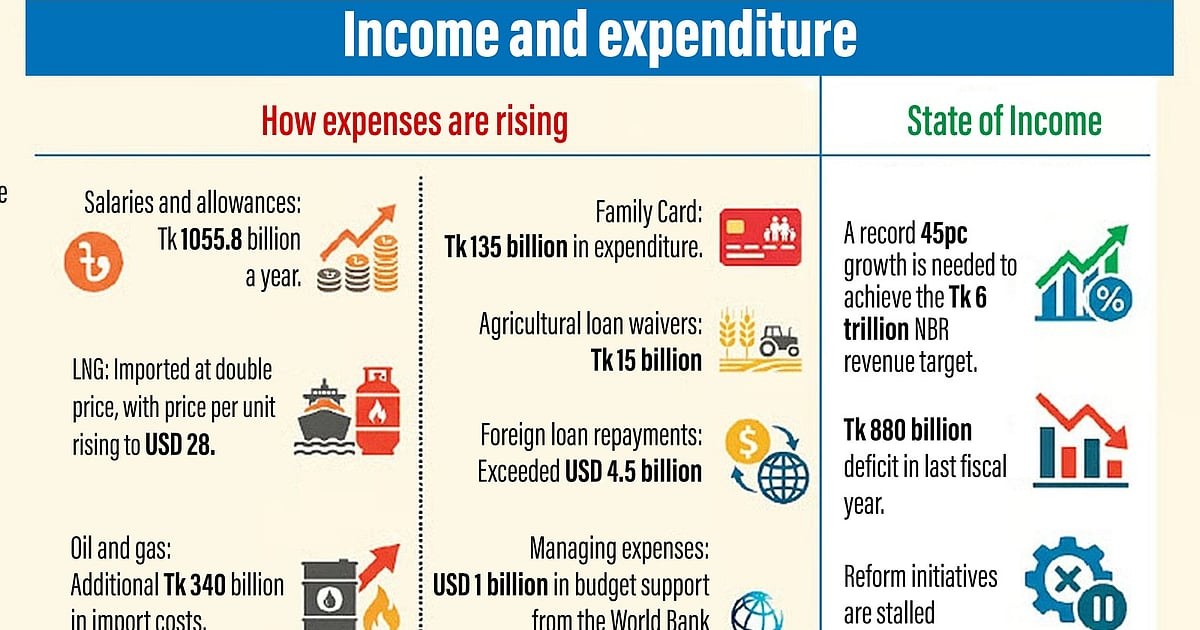
- 📊 FY26 fertiliser import bill: $3.72 billion (up 42% YoY from $2.62 billion in FY25)
- 📊 Fertiliser import volume FY26: 5.10 million tonnes (vs 4.44 million tonnes in FY25)
- 📊 Urea price spike: Iran war pushed urea prices to $700/tonne in March 2026, up from $290-$320 pre-crisis
- 📊 Price decline by June 2026: urea fell to ~$360/tonne as Hormuz disruption eased
- 📊 Fertiliser share of total import bill: ~5% in FY26
Against this backdrop, the government-to-government potash deal with Canada serves as a strategic hedge against future price spikes and supply disruptions. Government-to-government procurement typically delivers more stable pricing than spot market purchases, providing Bangladesh with greater budgetary predictability for its agricultural input subsidy programme.
🏛 BADC's Broader Fertiliser Procurement Role
The BADC plays a central role in Bangladesh's fertiliser supply chain:
- 🌾 Direct import of MOP, DAP, and TSP through government-to-government and tender mechanisms
- 🏛 Distribution through 455 district-level dealers and over 19,000 union-level dealer points
- 💰 Subsidy administration: the government subsidises fertiliser prices to keep farmer-facing rates affordable
- 🏛 Buffer stock management at central, district, and upazila warehouses
The 480,000 tonne Canadian potash contract will be delivered through BADC's existing distribution network between September 2026 and March 2027, covering both the Aman and Rabi planting seasons — the two principal crop cycles that determine Bangladesh's annual rice and cereal production.
💰 Financial Implications
While the financial value of the contract was not disclosed in the signing announcement, the deal size implies a substantial commitment. At recent international potash prices of approximately $300-$400 per tonne (depending on grade and contract terms), the 480,000 tonne primary commitment represents an estimated value of $144-$192 million. The optional additional 120,000 tonnes would add a further $36-$48 million, bringing the total potential contract value to approximately $180-$240 million.
The deal reinforces the importance of long-term government-to-government procurement arrangements for ensuring price stability and supply security for Bangladesh's agricultural input requirements — a strategy that the Ministry of Agriculture has been pursuing more aggressively since the 2022-2023 global fertiliser price spike that followed the Russia-Ukraine war.
🌏 Diplomatic Significance
The deal also carries diplomatic significance beyond the commercial and agricultural dimensions. Canada has historically been a development partner for Bangladesh, but trade and investment linkages have remained modest relative to Bangladesh's other partners such as the US, EU, China, and Japan. The expansion of the potash partnership, with the High Commissioner's reference to "deeper collaboration across the agriculture sector," signals an intent to broaden the bilateral commercial relationship.
For Bangladesh, the agreement represents another strand in the country's strategy of diversifying its fertiliser supply sources to reduce dependence on the volatile Middle East and Central Asian suppliers that have been most affected by recent geopolitical disruptions. With Iran war-driven supply chain disruptions having exposed the fragility of over-concentrated sourcing from any single region, the Canadian potash partnership provides a structurally important stabilising element in Bangladesh's broader food security architecture.
🌾 Alignment with Agricultural Policy
The Canadian potash import aligns directly with Bangladesh's broader agricultural policy objectives:
- 🌾 Food security: Ensuring adequate fertiliser supply for the country's 16+ million farm households
- 🌾 Subsidy cost management: Stable government-to-government pricing reduces subsidy budget volatility
- 🌾 Soil health: Potash is essential for maintaining soil potassium balance, particularly in intensively cultivated Bangladesh
- 🌾 Crop diversification: Adequate potash supply supports the broader push to diversify beyond rice into higher-value crops
The Agriculture Minister's repeated reassurances over the past week that the country's fertiliser stocks are ample despite "artificial crisis" attempts by certain interest groups take on added weight with this concrete supply commitment from Canada — providing both immediate buffer stock comfort and a longer-term structural supply assurance.
This news was originally published by The Daily Star. For the full original report, please visit: https://www.thedailystar.net/business/agriculture/news/bangladesh-import-480000-tonnes-canadian-fertiliser-4259126
Related on BangladeshExport
📬 Get Bangladesh Trade News in your inbox
Weekly digest of export industry news, policy updates, and market analysis.
📰 Related Stories