CETP Crisis at Savar Tannery Threatens Bangladesh Leather Export Ambitions
Star Business Report, Dhaka — Bangladesh's plan to turn its leather and footwear industry into a $5 billion export sector by 2030 could remain out of reach unless long-standing environmental and compliance problems at the Savar tannery estate are fixed, industry leaders said — prompting the government to announce plans for a new world-class Central Effluent Treatment Plant (CETP).
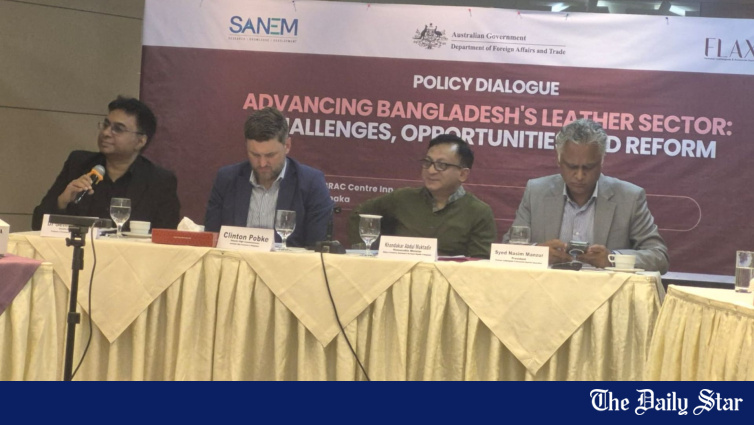
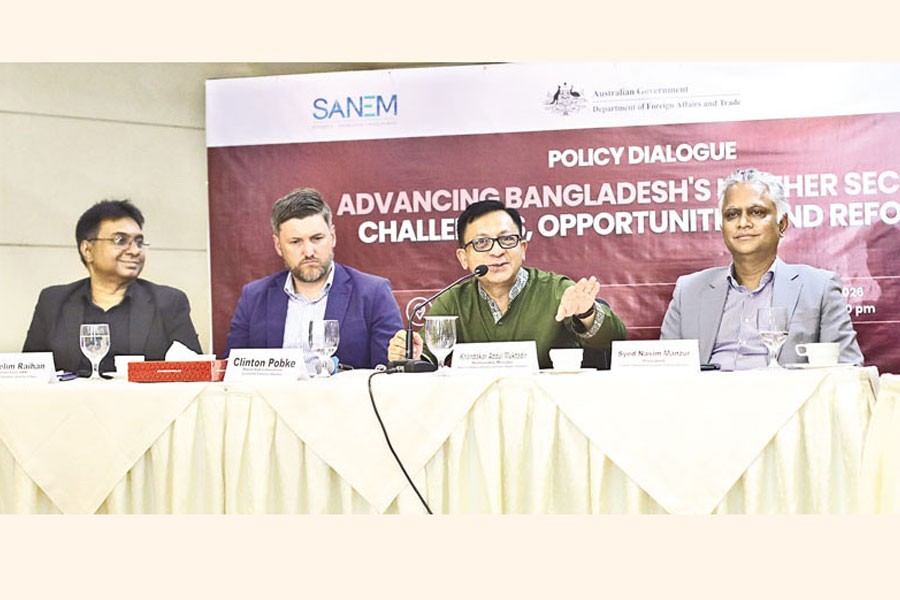
Commerce and Industry Minister Khandaker Abdul Muktadir announced the government's plan at a policy dialogue titled "Advancing Bangladesh's Leather Sector: Challenges, Opportunities and Reform", jointly organised by the Footwear, Leathergoods and Accessories Exporters Association (FLAXA) and the South Asian Network on Economic Modeling (SANEM) at BRAC Centre Inn on 4 September 2026.
🚠 CETP Capacity Crisis
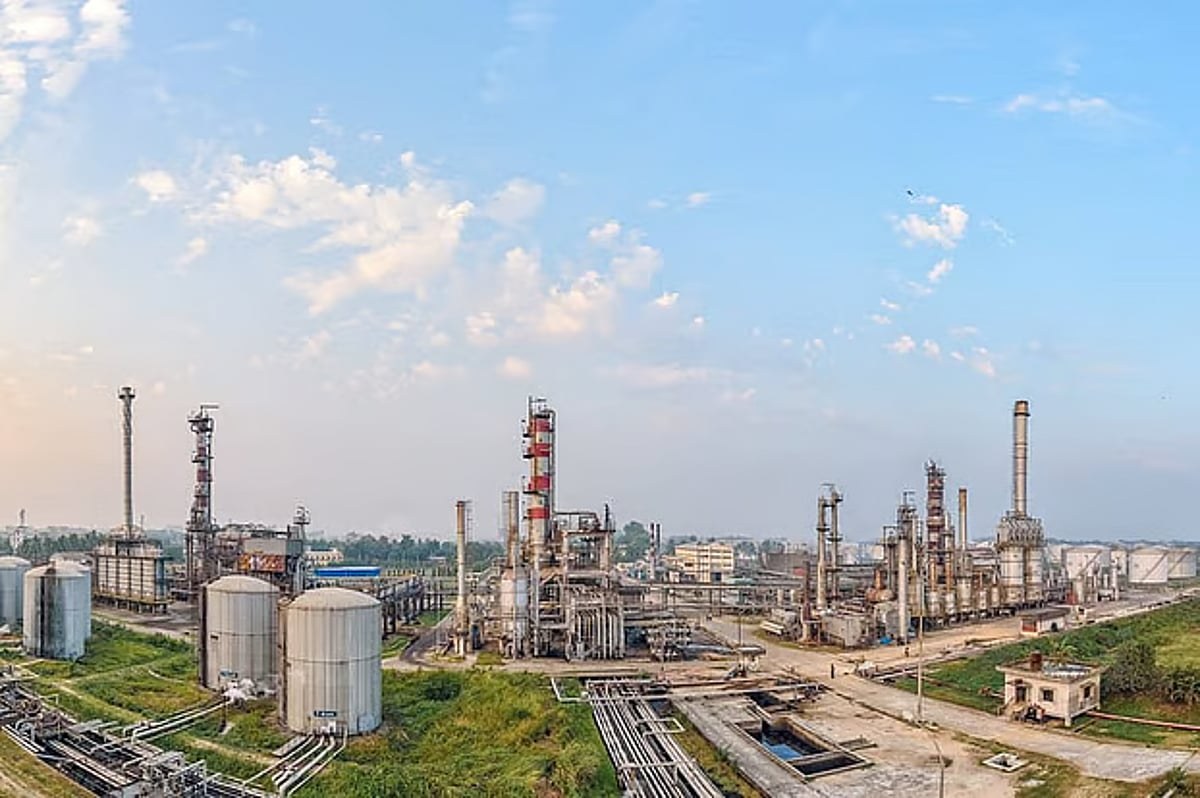
At the centre of the problem is the Central Effluent Treatment Plant (CETP) at the Savar tannery estate:
- 📊 Designed capacity: 25,000 cubic metres per day
- 📊 Actual operating capacity: only 14,000-18,000 cubic metres
- 📊 Eid-ul-Azha waste volume: 40,000-45,000 cubic metres per day
- 📊 Capacity gap: 7,000-11,000 cubic metres shortfall (normal)
- 📊 Eid capacity gap: 15,000-20,000+ cubic metres shortfall
"The existing CETP has several shortcomings," Muktadir said, adding that the government would build a new CETP through a transparent bidding process and appoint a world-class operator.
🏢 New CETP Plan
The government is planning to build a new global-standard CETP at the Savar Tannery Industrial Estate while also remediating the existing facility:
- 🏢 New CETP: world-class institution to be selected through transparent tender
- 🏢 Existing CETP remediation: separate proposals from Italian company and Chinese state-owned enterprise
- 🏢 Comparative assessment: proposals to be evaluated before decision
- 🏢 Leather industry associations: to be involved throughout the process
👥 Compliance Requirements for Tanneries
Under the plan:
- 🏢 Larger tanneries: must install own effluent treatment plants (with government technical and financial support)
- 🏢 Smaller units: must meet compliance requirements and use central facility (paying charges)
- 🏢 Struggling/non-compliant tanneries: government will help them leave the sector gracefully
- 🏢 Remaining tanneries: must become fully compliant and obtain LWG (Leather Working Group) certification
🏛 SANEM Executive Director's Proposals
Selim Raihan, Executive Director of SANEM, proposed:
- 🔍 Technical review of the CETP
- 💰 Emergency funding to restore treatment capacity
- 🔍 Independent monitoring with public findings
- ⚖️ Stronger penalties for polluters
- 💰 Government incentives linked to LWG and ZDHC compliance
- 🏛 Leather sector development authority involving government, industry, and labour
- 📜 5-10 year policy framework with clear measurable targets
👥 Industry Leader Concerns
Ziaur Rahman, Managing Director of Bay Group, said fixing the CETP alone would not solve the industry's problems: "Fixing the CETP is not enough; the environmental limits must also be revised." He said current environmental rules make it difficult for local leather processors to meet LWG certification requirements.
Additional challenges at Savar estate include:
- 🚧 Poor roads at the estate
- ⚡ Gas shortages affecting production
- 💰 High solid-waste disposal costs (Bay Group spent Tk 3 crore last year alone)
📊 Current Leather Export Position
- 👕 Current exports: ~$1.76 billion in footwear and leather goods
- 🌏 Export markets: 105+ countries
- 🌏 Global ranking: 7th largest footwear producer
- 📊 Crust leather share: ~65% exported as semi-finished (crust)
- 📊 Value loss: much of industry's potential value created abroad
🏛 Minister's Vision: Stop Raw Leather Export
Muktadir said he wanted Bangladesh to eventually stop exporting raw and semi-finished leather. "Not a single piece of leather should go abroad," he said, arguing that producing finished leather goods locally would create more value and jobs.
The minister also pledged to:
- 📜 Simplify business and customs procedures
- 🇯🇵 Negotiate with Japan for wider market access
- 👥 Attract foreign tanners to Bangladesh's underused capacity
Syed Nasim Manzur, President of FLAXA, said: "We need to focus more on finished products." He said the industry had discussed its potential for years but had failed to translate discussion into action.
🌏 Strategic Implications
- ⚠️ CETP capacity gap: only 56-72% of designed capacity operational
- ⚠️ Eid crisis: 40,000-45,000 cu.m vs 25,000 designed capacity
- ⚠️ $5b target at risk: current exports only $1.76 billion
- ⚠️ 65% crust leather export: value created abroad, not domestically
- ✅ New CETP planned: world-class facility through transparent tender
- ✅ Existing CETP remediation: Italian and Chinese proposals under review
- ✅ Larger tanneries to install own ETPs: with government support
- ✅ Graceful exit for non-compliant tanneries
- ✅ LWG certification requirement for remaining tanneries
- ✅ Japan market access negotiation planned
The CETP crisis at Savar represents one of the most critical bottlenecks for Bangladesh's leather sector ambition to reach $5 billion in exports by 2030. The government's plan to build a new world-class CETP, remediate the existing facility, require larger tanneries to install own ETPs, and enforce LWG certification represents a comprehensive reform framework — but the success will depend on the speed of implementation and the willingness of tanneries to invest in compliance upgrades ahead of the LDC graduation transition period beginning November 2026.
This news was originally published by The Financial Express / The Daily Star. For the full original report, please visit: https://thefinancialexpress.com.bd/trade/govt-to-build-a-new-world-class-cetp-at-savar-tannery-estate-muktadir
Related on BangladeshExport
📬 Get Bangladesh Trade News in your inbox
Weekly digest of export industry news, policy updates, and market analysis.