Bangladesh Moves to Break BPC Monopoly on Fuel Market With Private Sector

The Financial Express, Dhaka — Private companies are set to be allowed to import and market petroleum products under a government policy shift towards partial opening of the fuel market amid a nagging crisis — representing one of the most significant structural reforms of Bangladesh's energy sector in decades.
Sources say the government is looking to expand private participation in fuel import and sale, alongside the state-owned Bangladesh Petroleum Corporation (BPC), to ensure smooth supply of petroleum products on the domestic market even in crisis periods.
🏛 Policy Framework Under Preparation
The state-run corporation has already been bestowed with the responsibility to prepare a policy to ensure that the private sector can import petroleum products and then distribute and retail the fuels.
"I think a policy should be there to allow private sector in petroleum business on a limited scale not above 30 per cent," a senior official of the Energy and Mineral Resources Division (EMRD) under the Ministry of Power, Energy and Mineral Resources (MPEMR) told The Financial Express on Thursday.
📊 Key Policy Features
- 💰 Private sector share: up to 30% of petroleum market
- 💰 Activities covered: import, distribution, and retail
- 💰 Policy preparer: BPC (state-owned corporation)
- 💰 Objective: smooth supply even in crisis periods
- 💰 Infrastructure utilisation: leverage private sector storage and investment
🏢 Current Market Structure
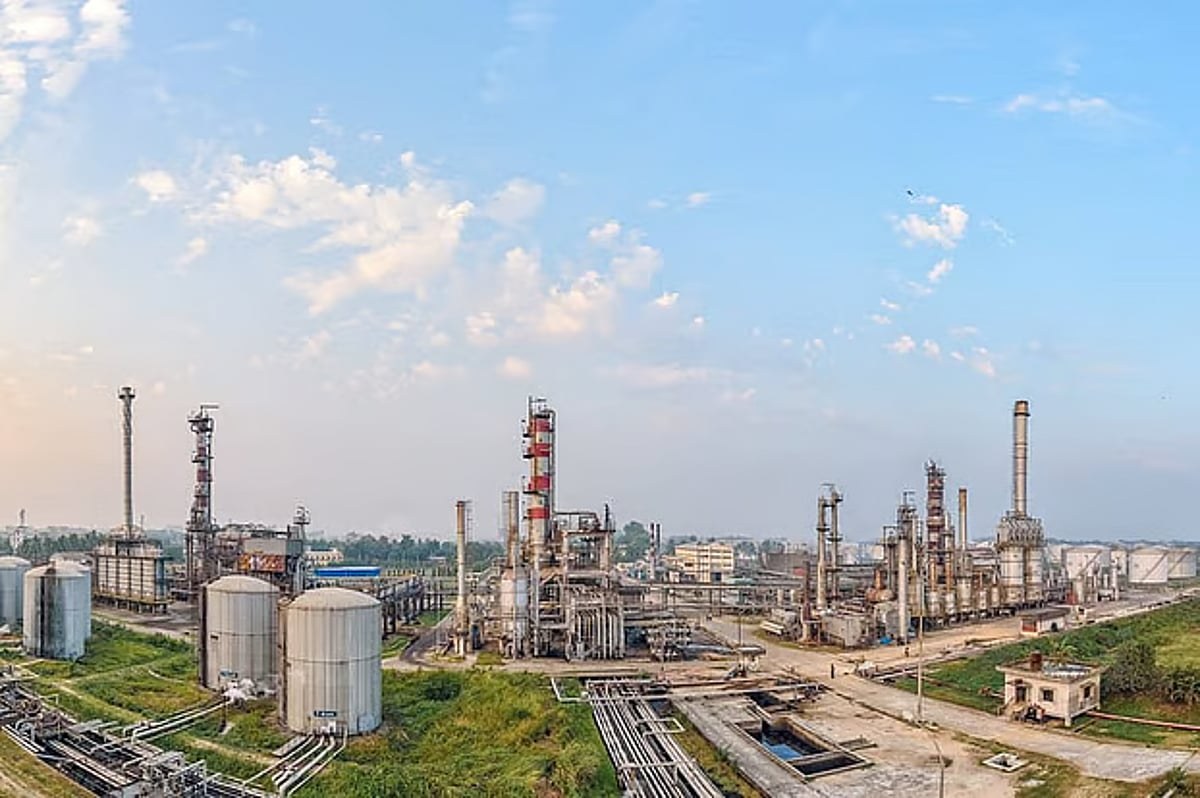
Currently, BPC imports the lion's share of petroleum products, both crude and refined, including:
- ⚡ Diesel — largest volume petroleum product
- ⚡ Furnace oil — for power generation
- ⚡ Jet fuel — aviation sector
- ⚡ Octane — premium motor fuel
Several privately owned companies already operate in a limited capacity:
- 🏢 Super Petrochemical Pls — uses local and imported condensate
- 🏢 Petromax Refinery Plc — produces diesel, petrol, octane
- 🏢 Acqua Refinery Ltd — uses condensate and naphtha
These companies use both local and imported condensate and naphtha to produce diesel, petrol, and octane — but their market access is currently limited. The new policy would expand their role from production-only to include import, distribution, and retail.
💰 Benefits of Private Sector Participation
Country's overall fuel-storage capacity will increase significantly and the private sector's infrastructure along with their investments could be utilised to the optimum once the policy is adopted. Key benefits include:
- 💰 Storage capacity expansion — private sector brings additional storage infrastructure
- 💰 Crisis resilience — diversified supply sources reduce BPC-only dependency
- 💰 Investment mobilisation — private capital enters fuel sector
- 💰 Competitive pricing — market competition could improve efficiency
- 💰 Infrastructure optimisation — existing private facilities fully utilised
- 💰 Supply diversification — multiple import channels reduce single-point failure risk
🌏 Strategic Context: Energy Crisis
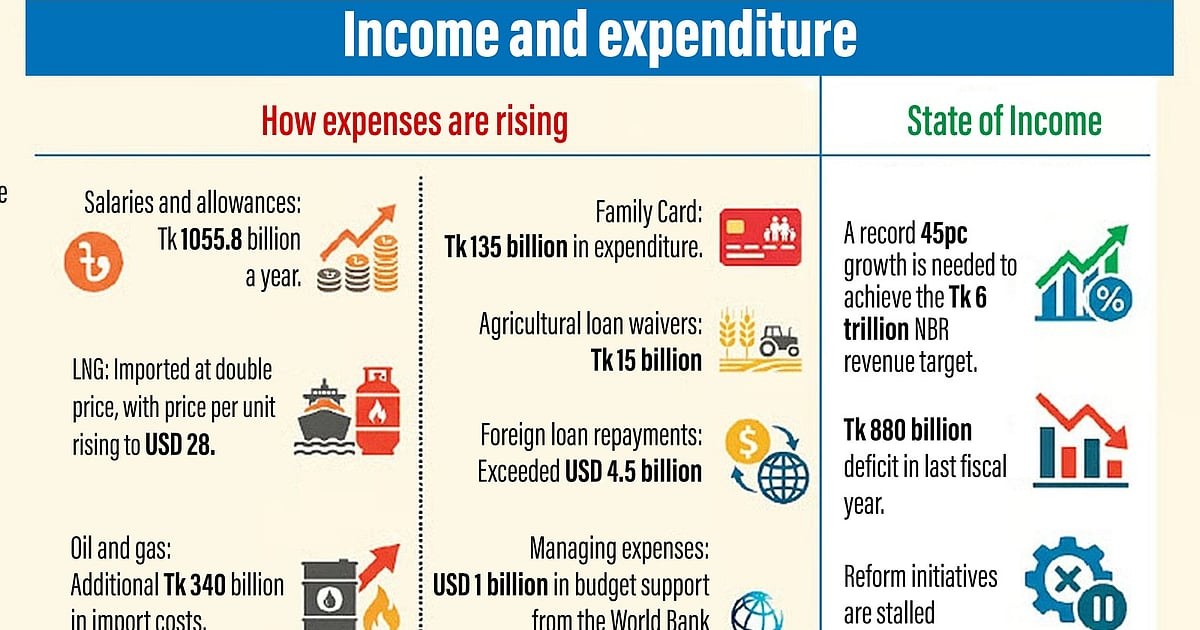
The BPC monopoly reform comes amid Bangladesh's broader energy crisis:
- 📊 FY26 petroleum import bill: $10.63 billion (up 107% YoY)
- 📊 BPC shortfall March-June: more than Tk 200 billion
- 📊 BPC sought government subsidy after more than a decade
- 📊 Government owes Tk 440 billion to private power-generating companies
- 📊 New ERL-2 refinery: $1 billion IsDB financing for 3 million tonnes capacity (ID 523)
- 📊 Rampal solar plant: 442MW replacing cancelled coal unit
- 📊 Rooppur Nuclear Plant: delayed by faulty safety valves (ID 525)
- 📊 Qatar LNG force majeure: extended through November (ID 527)
🏛 CAB Energy Adviser's Position
The move to break the BPC monopoly aligns with the position expressed by M Shamsul Alam, Energy Adviser to the Consumers Association of Bangladesh (CAB), who previously told Prothom Alo that there had been growing concern amid discussions about opening up the fuel oil sector to private investment. With foreign financing now secured for the ERL-2 refinery, it became clear that the government intends to retain control over the sector — but the new BPC monopoly reform signals a shift towards limited private participation while maintaining state oversight.
🌏 Strategic Implications
- ✅ Monopoly break: first significant BPC market opening in decades
- ✅ 30% private share cap: controlled liberalisation, not full privatisation
- ✅ Crisis resilience: diversified supply reduces single-point failure risk
- ✅ Storage expansion: private infrastructure to be optimally utilised
- ✅ Existing private refiners: Super Petrochemical, Petromax, Acqua to benefit
- ✅ Complements ERL-2: new refinery + private sector = more domestic capacity
- ⚠️ BPC financial stress: Tk 200 billion shortfall may complicate transition
- ⚠️ Regulatory framework: needs robust oversight for private fuel importers
- ⚠️ Consumer protection: pricing oversight needed to prevent exploitation
The BPC monopoly reform represents a strategically important shift in Bangladesh's fuel market structure — moving from a fully state-controlled model to a hybrid system with up to 30 percent private sector participation. Combined with the new ERL-2 refinery (3 million tonnes capacity), the move could fundamentally transform Bangladesh's petroleum supply architecture — reducing import dependency, expanding storage capacity, and building crisis resilience into a sector that has been under severe stress from the Iran war-driven price surge and the Qatar LNG force majeure through the LDC graduation transition period.
This news was originally published by The Financial Express. For the full original report, please visit: https://thefinancialexpress.com.bd/trade/move-on-to-break-bpc-monopoly-on-fuel-market
Related on BangladeshExport
📬 Get Bangladesh Trade News in your inbox
Weekly digest of export industry news, policy updates, and market analysis.
📰 Related Stories