Bangladesh to Build Second Oil Refinery After 58 Years With $1B IsDB Financing
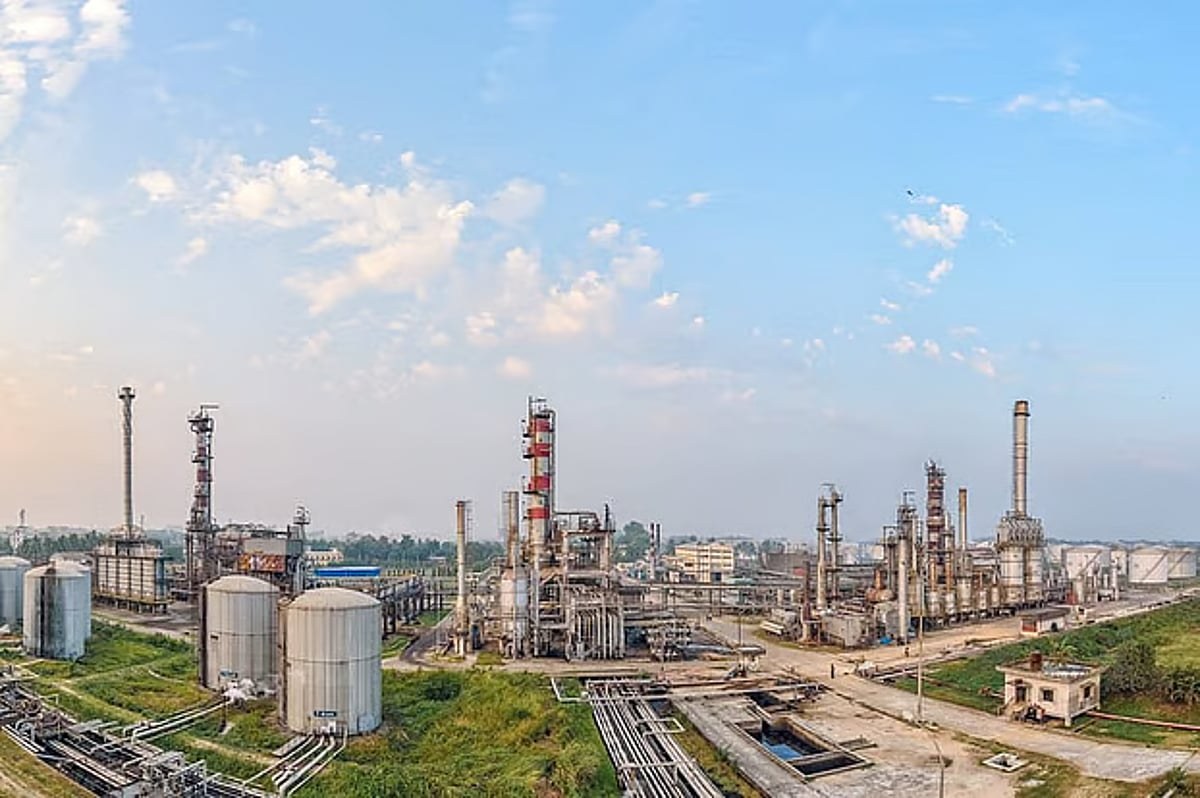
Prothom Alo English, Dhaka — After 58 years, construction of Bangladesh's second and largest oil refinery is finally set to begin, with a refining capacity of 3 million tonnes — a strategically transformative infrastructure project that will reduce the country's dependence on imported refined petroleum products and strengthen energy security.
The country's only oil refinery was built in 1968 in Patenga, Chattogram, operated by Eastern Refinery Limited (ERL), a company under the Bangladesh Petroleum Corporation (BPC), with a capacity of 1.5 million tonnes. The second refinery, with twice the capacity, will be built in the same area.
💰 IsDB Financing Agreement
On Thursday (4 September 2026), the government signed an agreement with the Islamic Development Bank (IsDB). Under the agreement, the bank will provide USD 1 billion (Tk 123 billion) to finance the project. The financing agreement was signed in the presence of Prime Minister Tarique Rahman and IsDB Group Chairman Muhammad Al Jasser.
- 💰 IsDB financing: $1 billion (Tk 123 billion)
- 💰 Total project cost: Tk 310 billion
- 💰 Project completion: November 2030
- 💰 Refining capacity: 3 million tonnes
- 💰 Demand coverage: 45-50% of national fuel oil demand
Additional Secretary Md Mizanur Rahman of the Economic Relations Division signed the agreement on behalf of Bangladesh, while IsDB Director General Anas Al-Isami signed on behalf of the bank.
📜 Project History: 15 Years in the Making
It has been 15 years since the government first began discussing implementing the project. The project, titled "Installation of ERL-2", was first taken up in 2012. Although the Development Project Proposal (DPP) was revised at least 11 times, the project never got off the ground. Instead, its estimated cost increased each time.
In 2024, the Awami League government decided to implement it jointly with controversial Chattogram businessman Saiful Alam (S Alam Group). After the fall of the Awami League government, the interim government cancelled the previous project and renamed it "Modernisation and Expansion of ERL".
On 10 February 2026, an ECNEC decision set the project cost at Tk 310 billion, with Tk 185.6 billion from the government treasury and Tk 124.3 billion through BPC. The BNP government later changed the financing arrangement to use foreign financing — which was confirmed with the IsDB agreement.
📊 Strategic Benefits
- 💰 $11 saved per barrel (159 litres) of fuel oil imported
- 💰 Annual savings: Tk 30 billion
- 💰 Storage capacity: increases threefold
- 💰 Demand coverage: 45-50% of national fuel oil demand
- 💰 Reduced refined petroleum imports: diesel and octane
- 💰 Energy security: decreased dependence on imported refined products
📊 National Fuel Oil Context
BPC officials said annual demand for fuel oil in Bangladesh is 6.5 to 7 million tonnes:
- ⚡ Total annual demand: 6.5-7 million tonnes
- ⚡ Diesel demand: 4-4.5 million tonnes (most imported directly)
- 🏢 Current ERL capacity: 1.5 million tonnes
- 🏢 New ERL-2 capacity: 3 million tonnes
- 🏢 Combined capacity: 4.5 million tonnes (after ERL-2 operational)
⚠️ BPC Financial Challenges
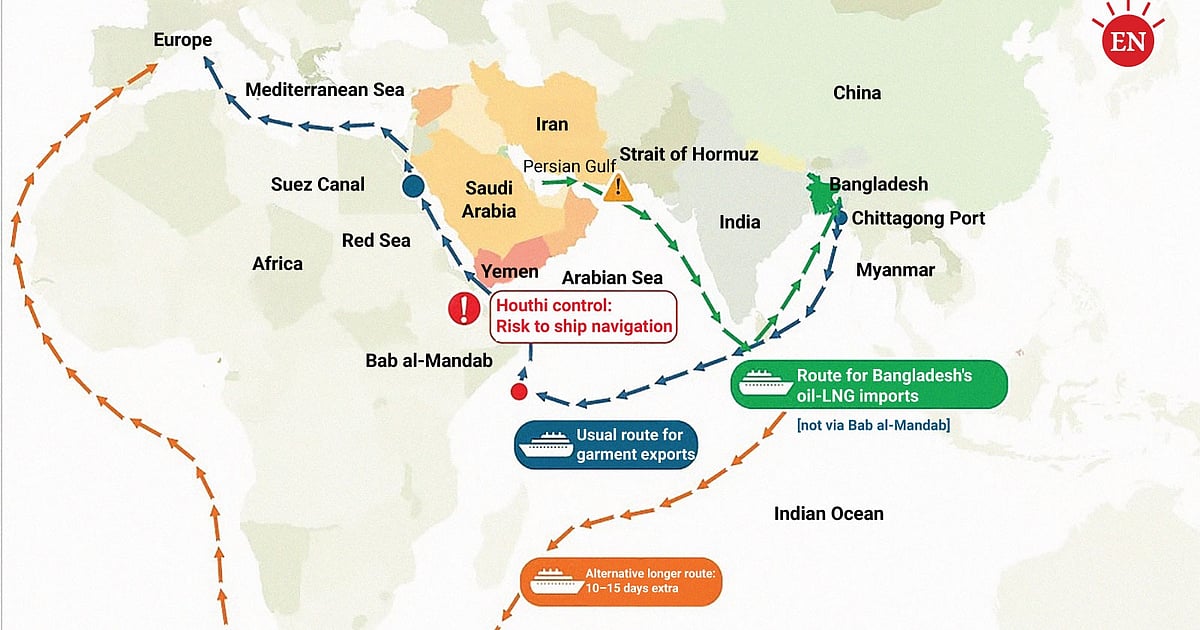
However, there is some uncertainty over BPC's financing for the project. Fuel oil prices have risen in the global market following the outbreak of war in the Middle East. As a result, BPC's losses have been increasing every month:
- ⚠️ BPC shortfall March-June: more than Tk 200 billion
- ⚠️ BPC diverted project funds to pay fuel oil bills
- ⚠️ BPC sought government subsidy after more than a decade
- ⚠️ Global oil prices elevated: Iran war impact on petroleum costs
👥 CAB Energy Adviser's Assessment
M Shamsul Alam, Energy Adviser to the Consumers Association of Bangladesh (CAB), told Prothom Alo that there had been growing concern amid discussions about opening up the fuel oil sector to private investment. "With foreign financing now secured for the refinery, it has become clear that the government intends to retain control over the sector. This is reassuring news, and consumers will benefit from it. The government must ensure that the project is not disrupted in any way and is completed within the stipulated timeframe."
🌏 Strategic Context: Energy Security
The ERL-2 refinery project comes at a critical moment for Bangladesh's energy security:
- 📊 FY26 petroleum import bill: $10.63 billion (up 107% YoY)
- 📊 Brent crude: above $90/barrel (US-Iran conflict)
- 📊 Rampal solar plant: coal unit scrapped, 442MW solar instead
- 📊 Rooppur Nuclear Power Plant: faulty safety valves delay
- 📊 Govt diverting dev budget: Tk 10 billion for rooftop solar
- 📊 4 spot LNG cargoes: by mid-October (separate FE report)
- 📊 BPC monopoly: move to break fuel market monopoly (separate FE)
🌏 Strategic Implications
- ✅ 58-year wait ended: second refinery after 1968
- ✅ $1B IsDB financing: confirmed with PM-level engagement
- ✅ 3 million tonnes capacity: doubles national refining capacity
- ✅ $11/barrel savings: Tk 30 billion annual cost reduction
- ✅ Triple storage capacity: enhanced energy security
- ✅ Government retains control: no privatisation of fuel sector
- ✅ November 2030 completion: 4-year construction timeline
- ⚠️ 15-year delay history: project first proposed 2012
- ⚠️ BPC financial stress: Tk 200 billion shortfall
- ⚠️ S Alam controversy: previous AL government's cancelled plan
The ERL-2 refinery represents one of Bangladesh's most strategically important energy infrastructure projects — with the potential to reduce refined petroleum import costs by Tk 30 billion annually while strengthening the country's energy security through enhanced domestic refining and storage capacity. The $1 billion IsDB financing, secured through PM-level engagement with IsDB Chairman Muhammad Al Jasser, provides the foreign financing foundation needed to implement the project without further straining the national budget. If completed by November 2030 as planned, the refinery will be a critical enabler of Bangladesh's energy independence through the post-LDC graduation period — reducing vulnerability to global petroleum price shocks and supply disruptions from Middle East conflicts.
This news was originally published by Prothom Alo English. For the full original report, please visit: https://en.prothomalo.com/bangladesh/myshvkansu
Related on BangladeshExport
📬 Get Bangladesh Trade News in your inbox
Weekly digest of export industry news, policy updates, and market analysis.
📰 Related Stories