Chittagong Port Service Charges Payable Via RTGS From September 15
Bangladesh Bank waives Tk 100,000 minimum RTGS threshold for Chittagong Port Authority transactions, enabling faster payments and accelerating port revenue collection
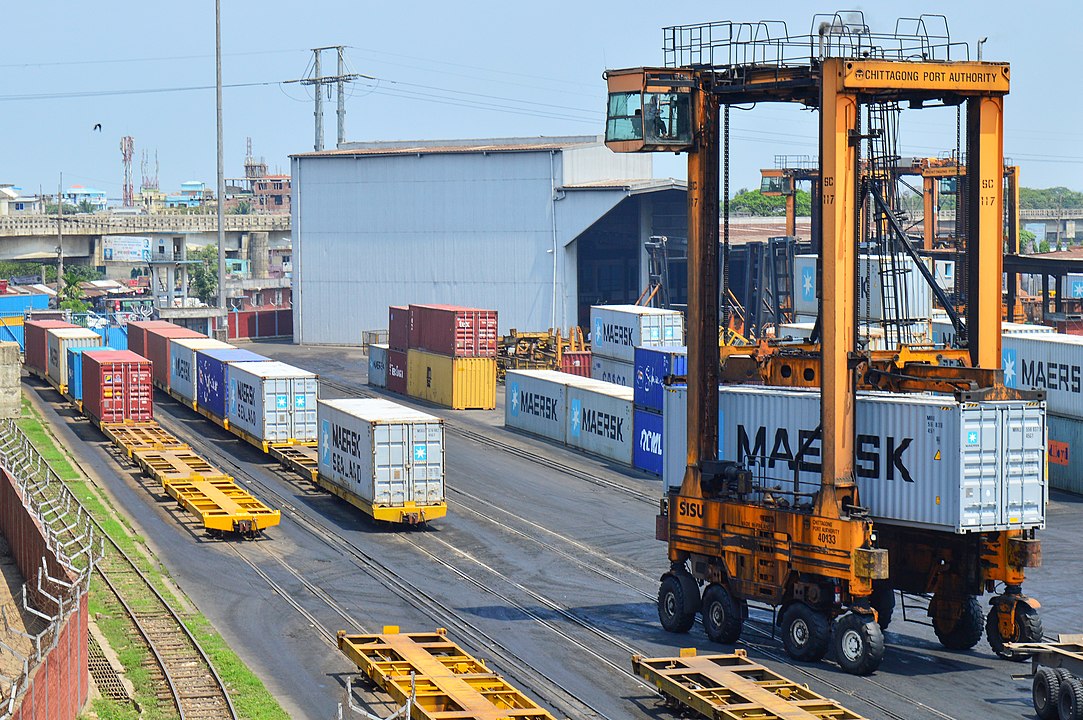
🚢 Bangladesh Bank (BB) is set to introduce a major digital facility for the payment of service charges at Chittagong Port, the prime sea port of the country. From September 15, clients can pay service charges of Chittagong Port by Bangladesh Real Time Gross Settlement (BD-RTGS) — a structural upgrade that eliminates the friction of pay orders and cheques and accelerates the port's revenue collection cycle.
📊 According to the directives, transactions of less than Tk 100,000 with the Chittagong Port Authority (CPA) can also be settled directly through the Bangladesh Real Time Gross Settlement (BD-RTGS) system. The Payment Systems Department of Bangladesh Bank issued a notification regarding this matter on September 1. In accordance with PSD-2 Circular No. 04, the existing minimum transaction limit of Tk 100,000 will no longer apply to BD-RTGS transactions involving the CPA.
Under the new system, a specific transaction type code — 'TTC 042' — has been assigned to the CPA. The dedicated transaction code will allow Bangladesh Bank's payment systems infrastructure to automatically identify, route and reconcile Chittagong Port-related RTGS transactions, streamlining settlement workflows for both the port authority and the paying banks.
💰 Why RTGS For Port Service Charges Matters
The new system will reduce the need for payments via pay orders or cheques, or for consolidating multiple small bills. The facility for faster payments will not only save time during various stages of vessel, container, and cargo handling but also accelerate the port's revenue collection. For an economy that handles over 3.3 million TEUs of container traffic annually through Chittagong Port, even small improvements in payment processing speed translate into meaningful operational gains across the export-import value chain.
The previous system — pay orders, cheques and consolidated billing — created friction at multiple points in port operations. Importers and exporters had to physically deliver pay orders to port authority counters during banking hours, leading to delays in container release, vessel berthing and cargo handling. The RTGS facility enables 24x7 digital payments that are settled in real-time, allowing traders to clear service charges outside banking hours and receive container release authorisation without manual intervention.
- 📅 RTGS facility launch date: September 15, 2026
- 💰 Previous minimum RTGS threshold: Tk 100,000
- 🚢 Threshold status: Waived for CPA transactions
- 📜 Circular reference: PSD-2 Circular No. 04
- 🆔 Transaction type code: TTC 042 (CPA-specific)
- 📅 Notification date: September 1, 2026
- 📦 Annual container traffic: 3.3+ million TEUs
🏛 What BD-RTGS Does
The Bangladesh Real Time Gross Settlement (BD-RTGS) system is the country's flagship large-value payment infrastructure, operated by Bangladesh Bank. RTGS settles transactions individually and irrevocably in real-time — meaning the moment a payment instruction is processed, the funds move from the payer's bank account to the receiver's bank account. This contrasts with batch settlement systems (like Bangladesh Electronic Funds Transfer, or BEFTN) where transactions are queued and settled at scheduled intervals.
RTGS is particularly suited for time-sensitive, large-value payments where immediate confirmation of settlement is critical. By extending RTGS to port service charges — and waiving the Tk 100,000 minimum threshold — Bangladesh Bank is essentially opening up the country's most reliable payment infrastructure to a high-frequency, transaction-heavy environment that has historically been bogged down by paper-based payment instruments.
📦 Implications For Exporters And Importers
For Bangladesh's export community, the RTGS facility addresses a long-standing operational pain point. Exporters shipping ready-made garments, leather goods, jute products, pharmaceuticals and agro-processed goods through Chittagong Port routinely face delays at multiple stages of the export cycle — including container stuffing, customs clearance, vessel berthing and bill of lading issuance. Each of these stages involves port service charges that previously had to be paid via pay order or cheque, often requiring physical presence at bank branches during banking hours.
The RTGS facility allows exporters to clear port service charges digitally, 24x7, from anywhere in the country. This eliminates the constraint of banking hours for port-related payments — a particularly important advantage for exporters located in distant industrial zones including Gazipur, Narayanganj, Savar and Comilla, where physical trips to bank branches for pay orders consumed valuable production time.
For importers, the speed-up is equally meaningful. Import containers held up pending payment of port service charges incur demurrage fees that can range from Tk 1,500 to Tk 6,000 per day depending on container size and location. The RTGS facility will allow importers to settle charges the moment they receive billing notifications — minimizing demurrage exposure and improving working capital efficiency.
💵 Strategic Context: Digital Bangladesh Push
The RTGS facility for Chittagong Port forms part of Bangladesh Bank's broader push to digitise trade-related payments and reduce reliance on paper-based instruments. The central bank has been progressively expanding RTGS access to trade-finance transactions, including letter of credit settlements, customs duty payments and now port service charges. Each expansion removes a layer of paper-based friction from the country's export-import workflow.
For Bangladesh's broader digital transformation agenda, the port RTGS facility is strategically significant. The interim government has been pushing toward a cashless Bangladesh — with the AmCham president noting in a recent interview that 28% of transactions are currently cashless while 72% remain cash-based. Extending RTGS to port transactions represents a meaningful structural shift toward digitising large-value B2B and B2G payments, complementing the consumer-facing digital payment infrastructure that has been built around bKash, Nagad and card payments.
🌏 What Comes Next
The September 15 launch will be the first test of the new RTGS facility in live port operations. Banks will need to ensure their corporate clients are onboarded for the new TTC 042 transaction code, and CPA will need to upgrade its reconciliation systems to handle the expected surge in RTGS transactions. The transition period — typically 30 to 60 days — will reveal whether the system performs as expected under real-world transaction volumes.
If the Chittagong Port RTGS launch is successful, it is likely to be extended to other major ports and customs stations across Bangladesh, including Mongla Port, Benapole Land Port and the various inland container depots (ICDs) that handle export-import cargo. The model could also be extended to other large government revenue collection points — including NBR tax payments, customs duty settlements and BPC petroleum product payments — creating a comprehensive digital payment infrastructure for high-value government transactions.
For an economy preparing to graduate from LDC status in November 2026, the efficiency gains from digitising trade-related payments carry strategic weight. Lower port payment friction translates into faster cargo turnaround, reduced working capital costs for exporters, and improved competitiveness against regional rivals. The RTGS facility for Chittagong Port is a small but meaningful step toward building the modern trade infrastructure Bangladesh needs to compete in the post-LDC era.
The coming months will reveal whether the new system delivers the expected operational gains, or whether implementation challenges — including bank system readiness, corporate client onboarding and CPA reconciliation capacity — limit the initial impact. Either way, the policy direction is clear: Bangladesh is moving its trade payment infrastructure toward real-time digital settlement, and the Chittagong Port launch is the first major milestone in that journey.
This news was originally published by The Financial Express. For the full original report, please visit: https://thefinancialexpress.com.bd/trade/ctg-port-service-charges-payable-via-rtgs-from-sept-15
Related on BangladeshExport
📬 Get Bangladesh Trade News in your inbox
Weekly digest of export industry news, policy updates, and market analysis.
📰 Related Stories