Bangladesh Seeks Greater US Cooperation on Peaceful Nuclear Technology and SMRs
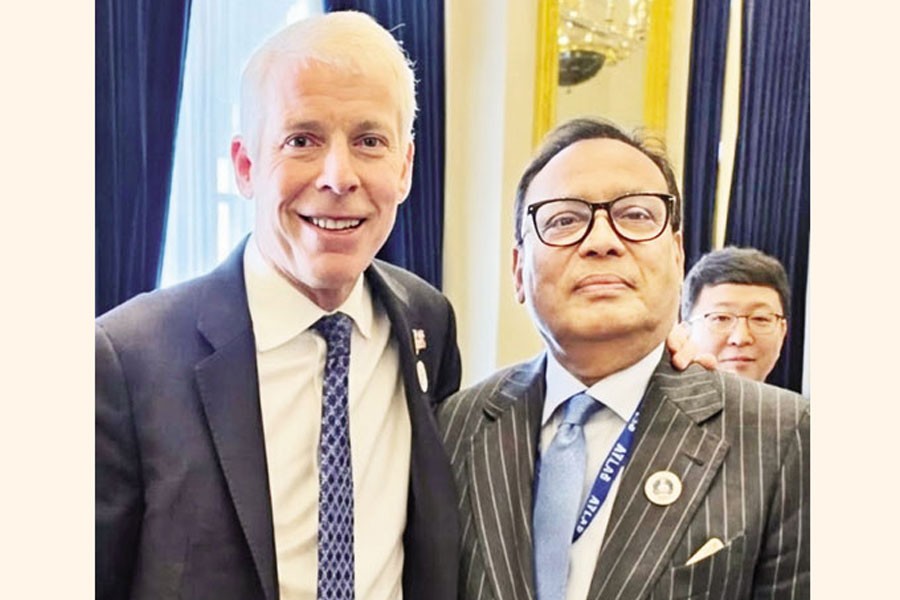
The Financial Express, Washington DC — Bangladesh has sought greater cooperation from the United States on small modular reactors (SMRs), peaceful nuclear technology, and other areas of the energy sector as it looks to strengthen energy security and meet rising electricity demand — marking a strategic deepening of US-Bangladesh energy cooperation following the recent US-Bangladesh trade agreement.
The issue was discussed at a meeting between Science and Technology Minister Faqir Mahbub Anam and US Energy Secretary Chris Wright in Washington, DC, on Thursday. The meeting represents the first high-level bilateral engagement on nuclear energy cooperation since Bangladesh's Rooppur Nuclear Power Plant began commercial operations, signaling Dhaka's intent to diversify its nuclear technology partnerships beyond the existing Russia-backed Rooppur framework.
⚖️ Ministerial Discussion Framework
The Bangladesh minister stressed the importance of adopting modern and safe nuclear technologies and expanding the exchange of technology, expertise, and knowledge with the US and other technologically advanced countries, according to a press statement. Anam said the peaceful use of modern and safe nuclear technology could play an important role in:
- ⚡ Meeting the country's growing energy needs
- 🏛 Strengthening energy security
- 🌏 Supporting sustainable development
Bangladesh remained committed to the peaceful, safe, and responsible use of nuclear technology and wanted to deepen the exchange of knowledge, experience, and technology with countries such as the US, he added — a formulation that aligns with Bangladesh's longstanding adherence to IAEA safeguards and non-proliferation commitments.
🇺🇸 US Energy Secretary's Positive Response
US Energy Secretary Wright expressed a positive view of the potential for greater US-Bangladesh cooperation in the energy and nuclear technology sectors. He noted that the development and expansion of modern nuclear technologies, including SMRs, were among the priorities of the US — a reference to the broader US government push to promote American SMR technology (notably NuScale and GE Hitachi BWRX-300 designs) in emerging markets.
The two sides also discussed:
- 👥 Possible US assistance in the energy sector
- 💻 Technology and knowledge exchange frameworks
- 🏛 Ways to deepen mutual understanding and cooperation in nuclear science and technology
Both sides expressed interest in working together to further strengthen cooperation in nuclear science and technology as well as the broader energy sector — a formulation that leaves room for both civil nuclear cooperation and broader energy partnership including renewable energy, grid modernisation, and energy storage.
⚡ Strategic Context: Bangladesh Energy Crisis
The US nuclear cooperation overture comes at a critical moment for Bangladesh's energy sector:
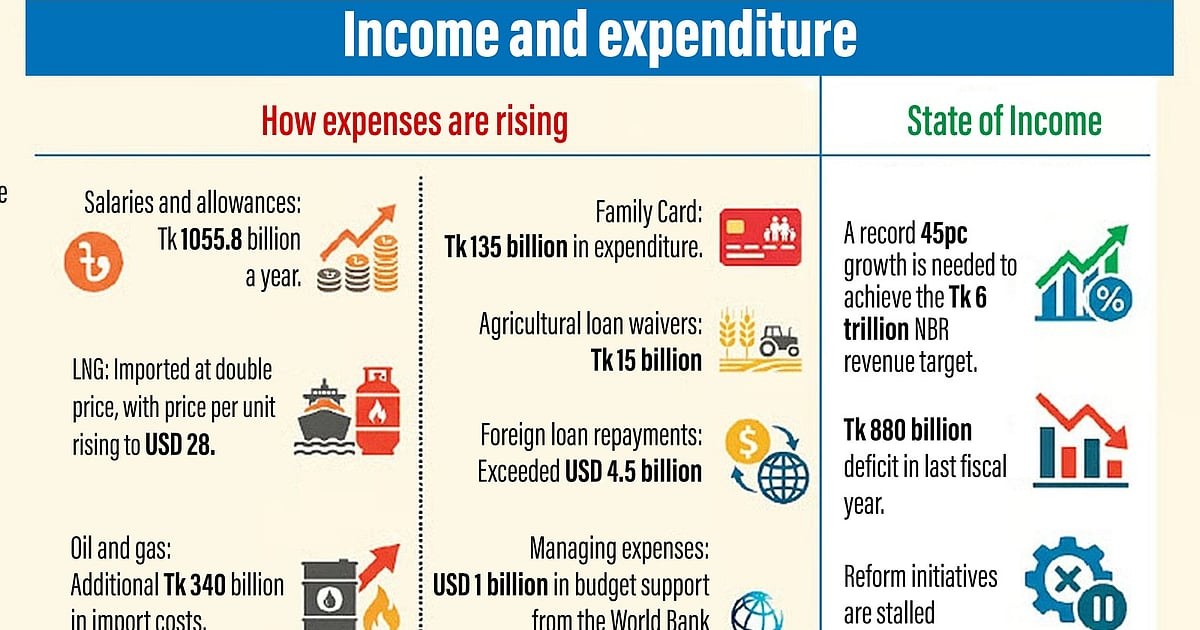
- 📊 FY26 petroleum import bill: $10.63 billion (up 107% YoY)
- 📊 660 textile mills affected by gas shortage since July 2026
- 📊 Power generation disrupted at 62 plants in late August 2026
- 📊 Rampal thermal power: Second unit cancelled, solar plant planned instead
- 📊 Government ordered diverting funds from development budget for clean power generation
The combination of spiralling petroleum import costs, persistent gas supply disruptions, and constrained domestic power generation capacity has created an urgent strategic imperative for Bangladesh to diversify its energy mix — with nuclear power representing a baseload, low-carbon alternative to fossil fuel-dependent generation.
🏛 Rooppur Context: Diversification Imperative
Bangladesh's first nuclear power plant — the Rooppur Nuclear Power Plant, built by Russia's Rosatom — began commercial operations in recent years. While the Rooppur project has been a strategic milestone in Bangladesh's energy development, it has also created a heavy dependence on a single supplier (Russia) for both nuclear fuel and reactor technology — a concentration risk that has become more pronounced since the Russia-Ukraine war triggered Western sanctions on Russian nuclear sector entities.
The US cooperation overture therefore reflects a deliberate diversification strategy: by engaging the US on SMR technology, Bangladesh can:
- ✅ Reduce dependency on Russia for nuclear technology and fuel
- ✅ Access next-generation SMR designs not yet deployed in Bangladesh
- ✅ Strengthen US-Bangladesh strategic ties in the energy sector
- ✅ Position Bangladesh for US EXIM Bank financing on future energy projects
⚡ Small Modular Reactors: Strategic Potential for Bangladesh
Small Modular Reactors (SMRs) represent a particularly attractive option for Bangladesh's energy landscape:
- 📊 Lower capital cost per unit compared to traditional large-scale nuclear plants
- 📊 Modular deployment allowing capacity addition in 300 MW increments
- 📊 Geographic flexibility for siting near demand centres (vs Rooppur's single site)
- 📊 Enhanced safety features including passive cooling and walk-away safe designs
- 📊 Shorter construction timeline (4-5 years vs 8-10 years for traditional nuclear)
For a country facing acute industrial gas shortages and an urgent need to add baseload power capacity, SMRs could provide a strategically important complement to the existing Rooppur capacity and the planned Rampal solar plant — particularly for industrial cluster electrification in Chattogram, Gazipur, and Narayanganj where gas-dependent textile mills have been hardest hit by the energy crisis.
🌏 US-Bangladesh Trade Deal Context
The nuclear cooperation discussion also aligns with the broader deepening of US-Bangladesh economic relations following the bilateral trade agreement. Under that agreement:
- 🇺🇸 The US agreed to provide duty-free market access for Bangladeshi garments made from imported US cotton
- 💰 Bangladesh committed to $15 billion in US energy product purchases
- 📜 Tariffs on Bangladeshi apparel were cut to 19% from previous levels
The $15 billion US energy product purchase commitment provides a natural framework for deeper cooperation on the energy technology side — including potentially US nuclear reactor exports, US LNG supply, and US energy infrastructure investment. The Wright-Anam meeting in Washington therefore represents the operationalisation of the broader US-Bangladesh energy cooperation framework initially established by the trade agreement.
🏛 Diplomatic Significance
The choice of Washington DC as the venue for the meeting, and the engagement at the Cabinet-level (Minister meeting with US Energy Secretary), signals the strategic priority that both governments attach to the energy cooperation file. For the US, Bangladesh represents a strategically important emerging market for American nuclear technology exports at a time when Russia and China have been expanding their respective nuclear export programmes. For Bangladesh, US nuclear cooperation would:
- ✅ Diversify nuclear supply chain beyond Russia
- ✅ Reinforce US-Bangladesh strategic partnership in the Indo-Pacific
- ✅ Support LDC graduation transition with reliable baseload power
- ✅ Strengthen climate commitments via low-carbon nuclear generation
The next 12-18 months will be critical in determining whether the ministerial-level engagement translates into concrete commercial frameworks, joint feasibility studies for SMR deployment, or formal US-Bangladesh nuclear cooperation agreements. The trajectory will likely depend on Bangladesh's ability to provide the regulatory certainty and grid infrastructure needed to support SMR deployment, alongside US willingness to offer competitive financing through EXIM Bank or other development finance instruments.
This news was originally published by The Financial Express. For the full original report, please visit: https://thefinancialexpress.com.bd/bangladesh/bd-seeks-greater-us-cooperation-on-peaceful-nuclear-technology
Related on BangladeshExport
📬 Get Bangladesh Trade News in your inbox
Weekly digest of export industry news, policy updates, and market analysis.
📰 Related Stories