Bangladesh RMG Export Growth Faces Rising Costs and Stiffer Global Competition
Bangladesh Bank quarterly review warns of challenges despite 11% export growth in April-June quarter
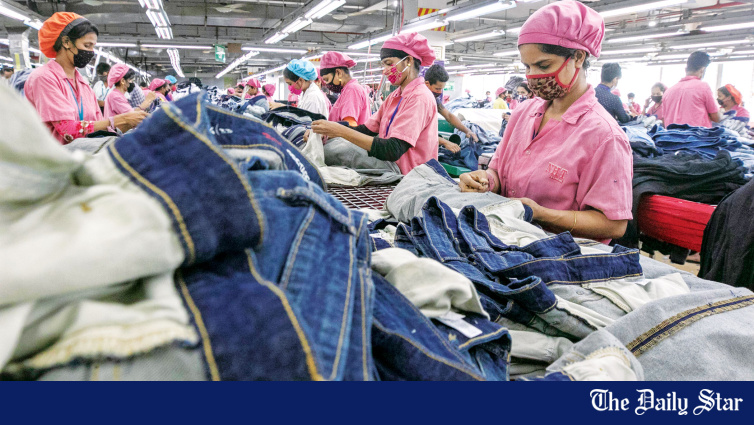
📊 Bangladesh's garment exports increased 11 percent year-on-year to $10.10 billion during the April-June quarter of 2026, according to the Bangladesh Bank's quarterly review of the apparel sector. However, the central bank has cautioned that the sector faces mounting production costs and intensifying competition from rival exporting countries amid persistent global economic uncertainty.
💰 Export Growth and Revenue
The quarterly review, released on August 26, revealed that RMG exports maintained strong momentum during the fourth quarter of fiscal year 2026. The $10.10 billion figure represents a significant year-on-year improvement, underscoring the sector's resilience despite external headwinds including energy supply disruptions and global trade uncertainties.
- 💰 Total RMG exports Q4 FY26: $10.10 billion
- 📈 Year-on-year growth: 11 percent
- 👕 RMG net exports (after subtracting raw material imports) also rose significantly
- 📰 Source: Bangladesh Bank quarterly review, August 26, 2026
⚠ Rising Production Costs
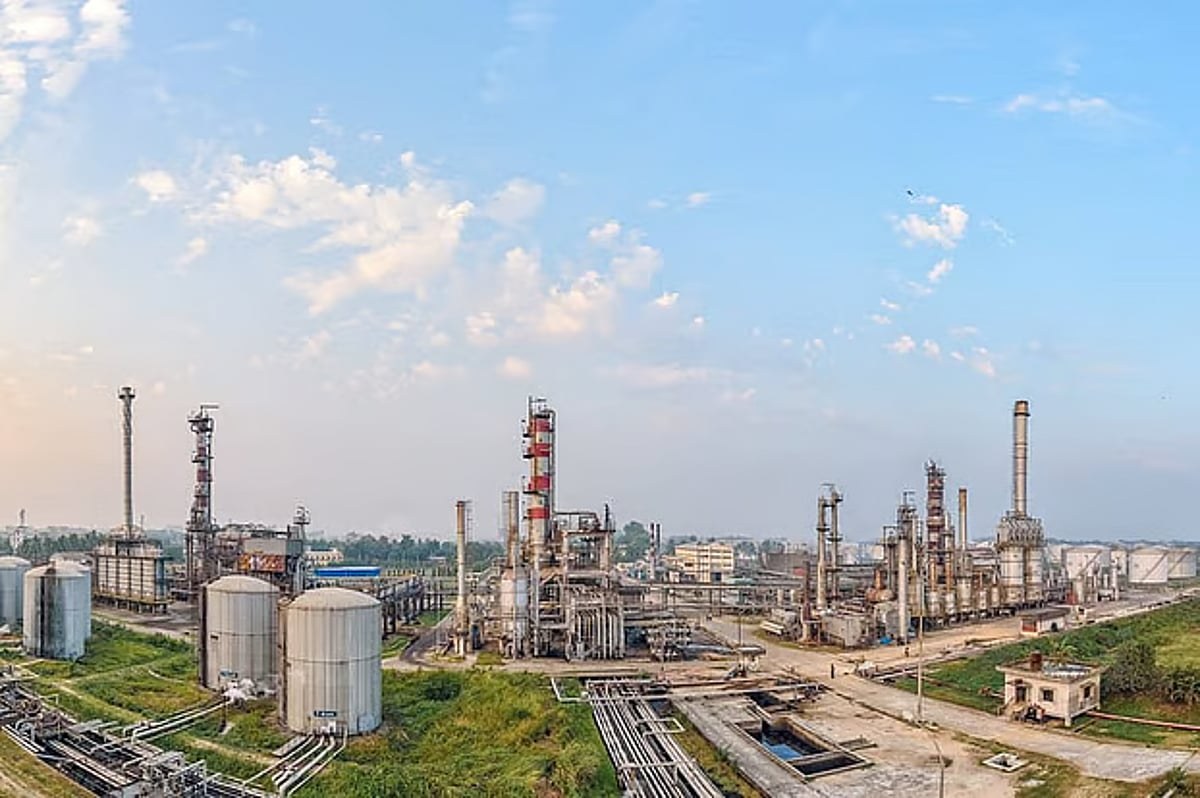
Bangladesh Bank highlighted that production costs in the garment sector have been steadily increasing, driven by multiple factors including energy prices, raw material costs, and labour-related expenses. The central bank's warning comes at a time when Bangladesh's energy sector faces significant challenges, with gas shortages affecting factory operations across the country.
More than 100 factories have reported production halts due to energy supply disruptions. The Finance Minister has stated that the energy crisis will take two years to resolve, creating uncertainty for the export sector that depends on reliable energy supply.
- ⚠ Energy costs have risen sharply, impacting factory operations
- 💲 Raw material import costs continue to climb
- 👥 Labour costs are under upward pressure
- 🏷 Gas shortages affecting 100+ factories
🌏 Stiffer Global Competition
The central bank emphasised that Bangladesh's RMG sector faces intensifying competition from rival exporting countries, particularly Vietnam, Cambodia, and India. These competitors have been aggressively expanding their market share in key destinations including the United States and European Union.
"Going forward, export diversification, value-added production and enhanced productivity will be crucial for sustaining growth and strengthening the resilience of the RMG industry," the Bangladesh Bank stated in its quarterly review.
- 🌏 Vietnam: Expanding RMG capacity and market share
- 🌏 Cambodia: Competitive labour costs attracting buyers
- 🌏 India: Government support for textile exports
- 📊 Bangladesh needs differentiation beyond price competition
📝 BB Recommendations
Bangladesh Bank recommended several strategic measures to sustain RMG growth:
- ✅ Focus on export diversification beyond traditional categories
- ✅ Invest in value-added production capabilities
- ✅ Enhance productivity through technology adoption
- ✅ Strengthen supply chain resilience
- 🤝 Develop stronger buyer relationships in diversified markets
- 💰 Explore new export destinations beyond US and EU
🏛 Policy Context
The central bank's assessment comes amid broader policy discussions about Bangladesh's export strategy following LDC graduation. The government has set an ambitious export target of $66 billion for FY2027, with RMG expected to remain the backbone of export earnings. However, achieving this target will require addressing the structural challenges identified in the BB review.
Bangladesh is also preparing for the loss of preferential trade access after LDC graduation. The UK has assured continued duty-free access for 92% of goods, but the EU's Everything But Arms (EBA) preference will eventually be replaced by GSP+, requiring Bangladesh to meet certain labour and environmental standards.
👕 RMG Net Earnings Context
Separately, the BB review also noted that RMG net earnings — calculated by subtracting raw material import value from total export value — rebounded 10% in April-June 2026. This indicates that Bangladesh is capturing more value in the global apparel supply chain, moving beyond basic cut-make-trim operations toward higher value-added manufacturing.
📊 Energy Crisis Impact
The energy crisis poses a significant threat to RMG sector growth. Gas shortages have forced factories to reduce production or halt operations entirely. In response, big businesses are turning to solar power for self-generation, with potential to produce 600MW of electricity. However, this transition will take time and investment.
- ⚡ Solar self-generation potential: 600MW
- 🏷 BGMEA partnering with Bidec to reduce power consumption
- 💰 Investment needed for renewable energy transition
🏛 BGMEA Response
BGMEA has been actively working to address the challenges identified in the BB review. The association has been promoting green manufacturing, with Bangladesh having the most LEED-certified factories globally. BGMEA has also been calling for government support to address the energy crisis and has partnered with organisations like Bidec to reduce garment factories' power consumption.
📊 The BB's quarterly review serves as a critical barometer for Bangladesh's most important export sector. While the 11% growth figure is encouraging, the warnings about rising costs and competition underscore the need for proactive policy interventions to maintain Bangladesh's competitive edge in the global apparel market. The road ahead requires addressing energy challenges, investing in value addition, and diversifying export markets.
This news was originally published by The Daily Star. For the full original report, please visit: https://www.thedailystar.net/business/economy/news/rmg-faces-stiffer-competition-rising-cost-bb-4256921
Related on BangladeshExport
📬 Get Bangladesh Trade News in your inbox
Weekly digest of export industry news, policy updates, and market analysis.
📰 Related Stories