Missing Chapter in Bangladesh Fashion Story: Why No Global Bangladeshi Brand?
Bangladesh exports garments to Zara, H&M, Primark, M&S, Tommy Hilfiger, Armani and Ralph Lauren — but walk into a New York or Rome shop and you won't find a single Bangladeshi brand, despite the 'Made in Bangladesh' label.
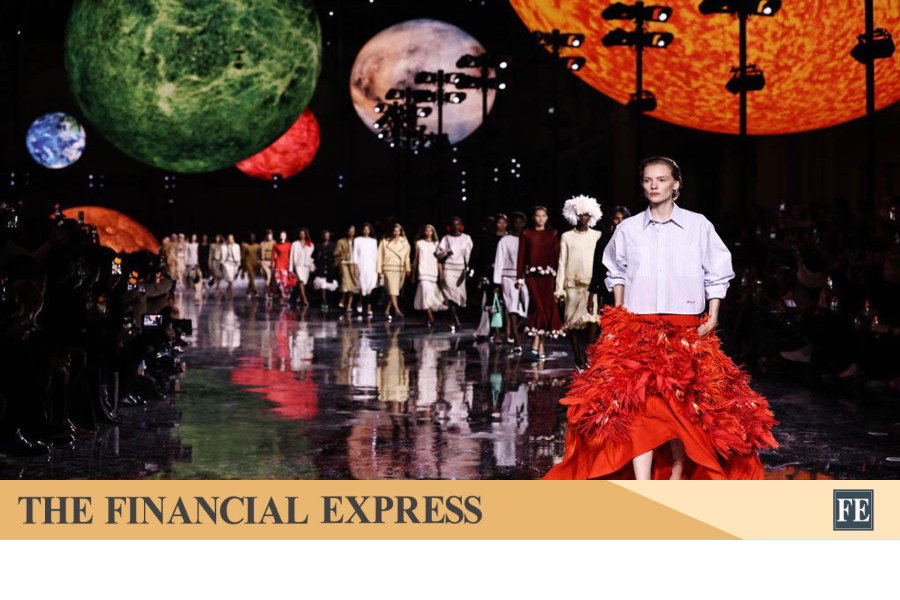
👕 Dhaka, Bangladesh — Bangladesh has consistently ranked among the world’s top three exporters of ready-made garments (RMGs), supplying global brands such as Zara, H&M, Primark, Marks & Spencer, Tommy Hilfiger, Giorgio Armani and Ralph Lauren. One can see the magnitude of this in factories, in the volume of what leaves our port every year.
🔍 Yet, walk into a shop in New York or Rome, and you will not find a single Bangladeshi brand, despite the label stating “Made in Bangladesh”. This paradox is at the heart of the missing chapter in Bangladesh’s fashion story — a story of manufacturing excellence without brand identity.
🌏 Bangladeshi Brands Testing International Waters
📊 However, some local brands have tested these international waters:
- 👕 Yellow — ventured into international markets
- 👕 Le Reve — ventured into international markets
- 👕 Illiyeen — demonstrated that a local brand can make it on a bigger stage
- 👕 Aarong — exports globally after decades of establishing itself as a local brand focused on craftsmanship
- 👕 Gorur Ghash — targeted towards younger crowd preferring street wear, exports internationally
- 👕 Zuhrem (by Mehruz Munir) — showcased at Paris Fashion Week 2025
- 👕 Tasmim Zobaear — showcased his brand in both Cannes and Paris Fashion Week on multiple occasions
✅ So, there is no question of capability here. It’s no longer a theoretical case for a Bangladeshi label to go global. Rather, the pertinent question would be: why more companies aren’t doing it, and why those who tried were doing it half-heartedly or couldn’t sustain it?
🎨 The Missing Identity: Brand Story and Design Language
💬 The reason partly lies in the fact that the global identity of Bangladesh through its fashion industry has so far been constructed only on the basis of its capacity to manufacture products. Still, the other part of identity, which is the identity of brands with its unique design language and narrative, needs to come about.
🎨 And this could happen because we do have our own:
- 🧵 Jamdani — UNESCO-recognised Intangible Cultural Heritage
- 🧵 Muslin — legendary fabric of Bengal, lost and now being revived
- 🧵 Nakshi Kantha — traditional embroidered quilt
- 🧵 Many more handloom histories handed down from generation to generation
📊 They carry real depth and history, which matter now more than ever, as international fashion actively looks for authenticity and true craftsmanship.
💼 What a Brand Needs to Cross Borders
📋 Still, it’s not just heritage alone which takes a brand to cross the borders. It needs:
- 💡 Well thought out positioning
- 🎨 Good design identity
- 🤝 Solid distribution network
- 📞 Proper international public relations
- 🌐 Website with broader scope than domestic market
- 🛍 Retail presence
- 👥 Customer experience worth coming back for
💬 Sometimes it’s this underlying framework rather than creativity that dictates the fate of a good label.
🛢 Accessibility: The Tough Aspect of Internationalisation
⚠ Another tough aspect of internationalisation is accessibility. Without the ability of the customers to reach the product, even the best fashion line will fail to attract the international market.
📊 Design talent is not the missing element, but rather the commercial aspect of the industry. For example, in India, fashion houses such as Sabyasachi have managed to make the reputation for the Indian textile heritage not only through quality design, but also through investment in stories. This is the aspect we still have to cultivate.
🎓 Education: Building the Missing Skill Sets
📊 Bangladesh has no lack of fashion talent either. Universities and fashion schools can widen their programmes not only with fashion design, but with:
- 🎨 Branding
- 📞 Public relations
- 📊 Trends forecast
- 🌏 International retail
- 🌿 Sustainability
- 💻 Digital fashion
👥 Developing merchandisers, buyers, brand managers and other specialists needed to advance Bangladeshi fashion.
🌏 Strategic Context for Bangladesh RMG Industry
📊 For Bangladesh’s RMG sector, the brand gap is more than an aesthetic concern:
- 💰 Value capture — manufacturing margin vs brand margin (often 5-10x difference)
- 🌏 LDC graduation risk — without brands, RMG exports vulnerable to tariff changes
- 🤝 EU market access — brands with sustainability narrative stronger under EU regulations
- 📊 Vietnam competition — competitor also investing in brand development
- 💲 IP and design ownership — currently captured by global brands, not Bangladesh
💬 International Exposure: The Path Forward
💬 It is important to work out international exposure of the country’s fashion through:
- 🎨 International fashion shows — Paris, Milan, New York, London
- 🤝 Buyer programmes — direct relationships with international retailers
- 👥 Designer exchange programmes — cross-pollination of ideas
- 🛢 Exports — building distribution channels abroad
💬 Bangladesh has already proven what it can produce. The next chapter is proving what its own brands can build, and taking that further, to the world.
📈 Government Policy Implications
🤝 For Bangladesh’s policymakers, supporting the emergence of global Bangladeshi brands would require:
- 💰 Brand development fund — concessional financing for fashion brands going global
- 🏛 Export incentives for branded products — beyond generic RMG export subsidies
- 🌏 Trade mission focus on fashion retail — not just manufacturing buyers
- 🎓 Fashion education investment — specialised institutes for brand management
- 🧵 Heritage fabric protection and IP — Geographical Indication for Jamdani, Muslin
- 📊 Paris/Milan Fashion Week participation fund — support for Bangladeshi designers
✅ For Bangladesh’s broader export strategy, building global brands represents a fundamental shift from being the world’s manufacturer to becoming the world’s designer. This transition — if executed with patience and the right ecosystem — could unlock significant value addition, reduce vulnerability to tariff shocks, and create a more resilient and diversified export economy for the country. The missing chapter in Bangladesh’s fashion story is waiting to be written — and the country’s heritage, talent and manufacturing base provide a strong foundation to begin.
🌏 As Bangladesh prepares for LDC graduation and the potential loss of preferential market access, developing its own globally recognised brands is not just a commercial opportunity — it is a strategic necessity. With brands, Bangladesh captures more value per garment exported, builds stronger relationships with international consumers, and creates a more sustainable export economy that is less dependent on contract manufacturing margins.
This news was originally published by The Financial Express. For the full original report, please visit: https://thefinancialexpress.com.bd/views/the-missing-chapter-in-bangladeshs-fashion-story
Related on BangladeshExport
📬 Get Bangladesh Trade News in your inbox
Weekly digest of export industry news, policy updates, and market analysis.
📰 Related Stories