660 Bangladesh Textile Mills Hit by Gas Shortage as LNG Terminal Disruptions Persist
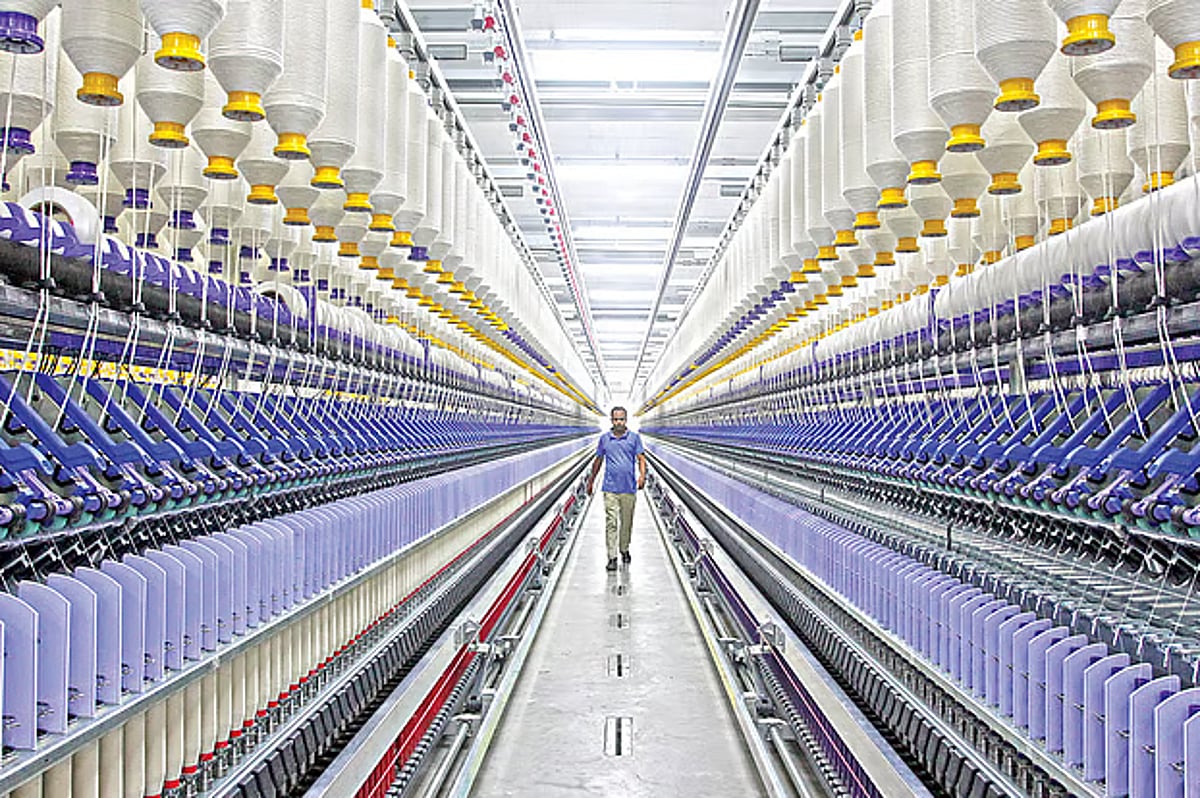
Prothom Alo English, Gazipur/Narsingdi/Narayanganj — 660 textile mills across Bangladesh have been suffering from a severe gas shortage since the third week of July 2026, with production at the affected factories either partially or fully halted — a crisis that the Bangladesh Textile Mills Association (BTMA) has formally flagged to the Ministry of Commerce as the latest blow to the country's primary textile supply chain.
The disruption adds a new layer of stress to Bangladesh's textile sector, which already has 244 textile mills that have remained closed since 2019 — bringing the total number of non-operational or impaired textile mills in the country to over 900 across a national textile mill base of more than 1,800 mills, including 527 spinning mills.
👥 Mosharraf Composite Textile: A Case Study
The case of Mosharraf Composite Textile in Bhabanipur, Gazipur Sadar, illustrates the depth of the crisis. The factory has five units producing yarn, with normal production of 170 tonnes of yarn per day. Due to the gas shortage, production has fallen to just 30 percent of capacity for more than a month, with limited production maintained using rural electricity and diesel-powered generators.
Mosharraf Hossain, Managing Director of Mosharraf Composite Textile, told Prothom Alo on Thursday that gas pressure had risen to 3–4 PSI over the past two days, but production had not increased significantly. He said the factory had suffered losses of around Tk 50 million (Tk 5 crore) over the past month because of reduced production, creating financial pressure on salary and benefits payments to workers.
📜 BTMA's Formal Intervention
The Bangladesh Textile Mills Association (BTMA), the organisation representing textile mill owners, informed the Ministry of Commerce of the situation in an email last week. BTMA said it is reviewing and verifying the current condition of the textile mills and will, after completing the assessment, submit a formal proposal to the ministry outlining the necessary measures and support required to revive the factories.
Senior officials of textile mills in Gazipur, Narsingdi and Narayanganj said the gas situation had improved somewhat in some areas over the past two or three days, but the crisis had not yet ended in many areas. As a result, production continued to be disrupted, while the prolonged shortage was causing financial losses for the companies.
🚢 Root Cause: LNG Terminal Disruptions
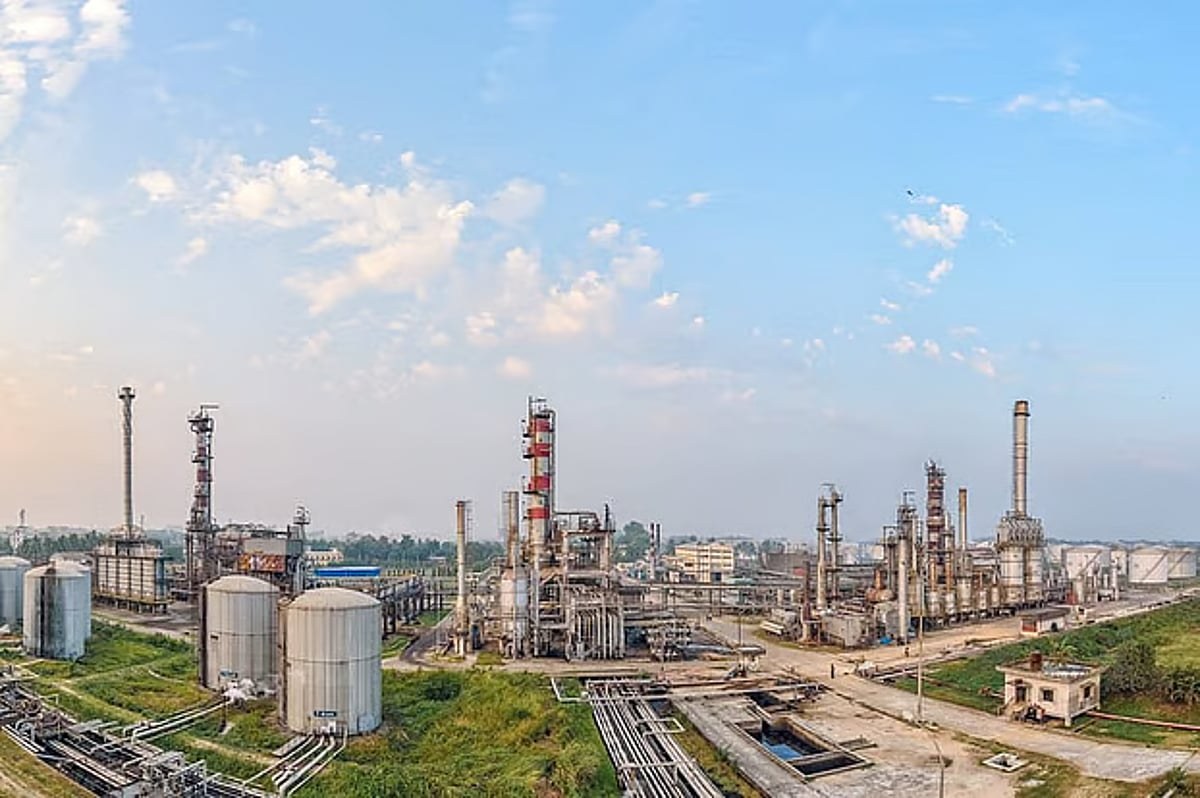
The gas crisis traces directly to disruptions at Bangladesh's LNG terminal infrastructure:
- 🔥 21 July 2026: Excelerate Energy LNG terminal shut down following a fire accident
- 🚢 Summit terminal: gas supplies also disrupted during the same period
- 🔌 15 August 2026: Excelerate resumed partial operations; Summit terminal became fully operational
- 📦 Before crisis fully eased: Excelerate terminal suspended again due to a cargo-related problem
- 🔌 22 August 2026: Excelerate terminal resumed operations after remaining shut for three days
Since the 22 August resumption, gas supplies to industrial plants have increased somewhat in some areas — but the supply normalisation remains uneven across the country's textile clusters.
📏 Geographic Variations
The impact of the gas crisis varies significantly by region:
- 🏗 Narsingdi: Bhuiyan Textile and Calendar Mills in Satirpara remained closed for 22 consecutive days; resumed production last week but could operate only at night because gas pressure would fall to almost zero during the day; situation improved from Thursday afternoon
- ⚠️ Narayanganj: MS Dyeing Printing and Finishing in BSCIC Industrial Park, Fatullah has had no gas since 18 August; production completely halted
- 🏗 Gazipur: Some industrial plants show slight improvement, but many factories still face shortages
- 🏗 Sreepur: One textile mill owner reported gas pressure below 2 PSI, allowing only 30–35 percent of yarn production capacity utilisation
- 🏗 Asia Composite Mills (Sreepur): Gas pressure 3 to 7–8 PSI over past two days, enabling 70–75 percent capacity utilisation
- ✅ Habiganj and Chattogram: Gas supplies satisfactory, production remains more or less normal
💰 Financial Impact at MS Dyeing Printing
MS Dyeing Printing and Finishing in Fatullah, Narayanganj, provides a stark illustration of the financial damage caused by the gas crisis. The factory has the capacity to dye 110 tonnes of fabric per day at a dyeing charge of Tk 100 per kilogram — implying daily revenue potential of Tk 1.10 crore. With the factory completely shut since 18 August, the company is losing substantial daily revenue while also being unable to supply fabric to the garment section according to demand, further disrupting downstream production.
The company's general manager, Babul Hossain, told Prothom Alo that the disruption cascades through the supply chain: dyeing units cannot process fabric, fabric supply to garment units is delayed, and ultimately apparel export shipments are at risk of missing buyer delivery windows.
👥 BTMA Vice President Speaks Out
Abul Kalam, Vice-President of BTMA and a Member of Parliament, told Prothom Alo: "At my own company, Chaiti Composite in Sonargaon, Narayanganj, production has fallen to 40 percent because of the gas shortage. This has been the situation at most textile mills for about a month."
On the broader impact, he said: "The gas shortage has weakened our textile mills financially. As the crisis has continued for some time, foreign buyers are also becoming concerned. However, the encouraging thing is that the gas situation is improving."
🌏 Strategic Context
The textile mill crisis comes at a particularly difficult moment for Bangladesh's apparel supply chain. With the EU apparel export market having contracted 16.4 percent in H1 2026, and the central bank having identified 900 of BTMA's 1,800 member mills as shut due to gas supply disruptions in the prior week's report, the primary textile sector's ability to supply backward linkage feedstock to the RMG sector is now structurally impaired.
The longer the gas supply normalisation takes, the greater the risk that foreign apparel buyers will shift orders to competitor sourcing markets — particularly Vietnam and India, which both benefit from preferential EU trade agreements that Bangladesh is set to lose under the LDC graduation transition beginning in November 2026. The BTMA's pending formal proposal to the Ministry of Commerce is expected to seek emergency relief measures, including subsidised diesel generator fuel support, accelerated LNG cargo procurement, and priority gas allocation to export-oriented textile mills during the recovery period.
This news was originally published by Prothom Alo English. For the full original report, please visit: https://en.prothomalo.com/business/local/5banqi6mkn
Related on BangladeshExport
📬 Get Bangladesh Trade News in your inbox
Weekly digest of export industry news, policy updates, and market analysis.
📰 Related Stories