Bangladesh Weighs Hilsa Export to India Ahead of Durga Puja 2026
Eighteen Bangladeshi exporters seek year-long permission as India's Fish Importers Association urges Dhaka to clear shipments by mid-September
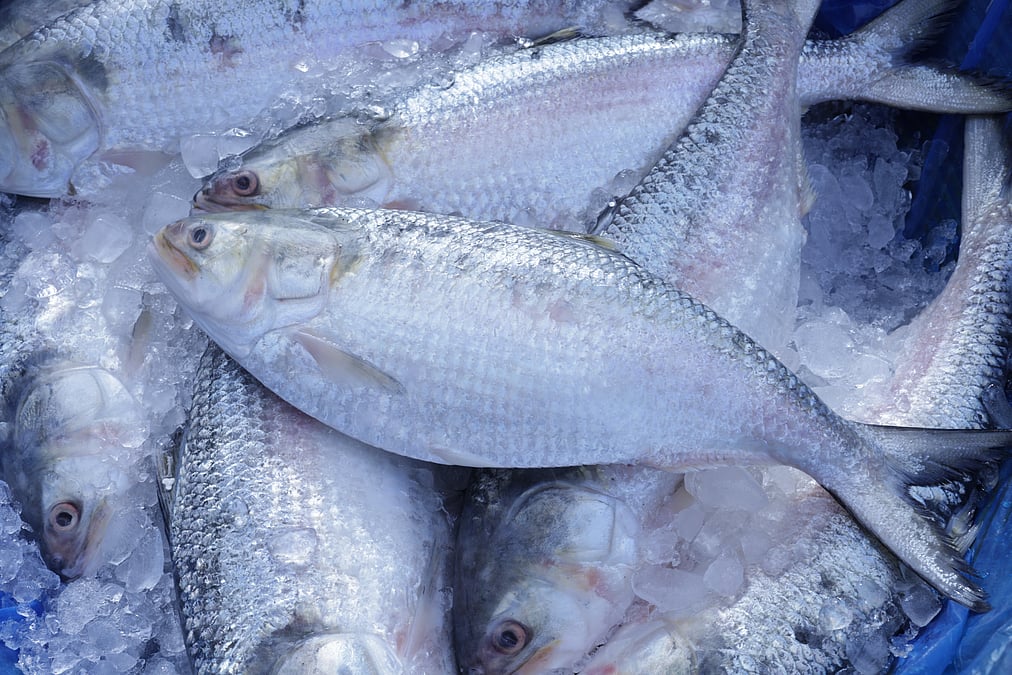
🐟 Eighteen Bangladeshi companies have applied for permission to export hilsa to India ahead of Durga Puja 2026, even as the Fish Importers Association of India presses Dhaka to clear shipments by mid-September. The decision now rests with the Ministry of Commerce, which has sought the opinion of the Ministry of Fisheries and Livestock before granting approval — a recurring ritual that highlights the political and economic sensitivities surrounding Bangladesh's signature fish.
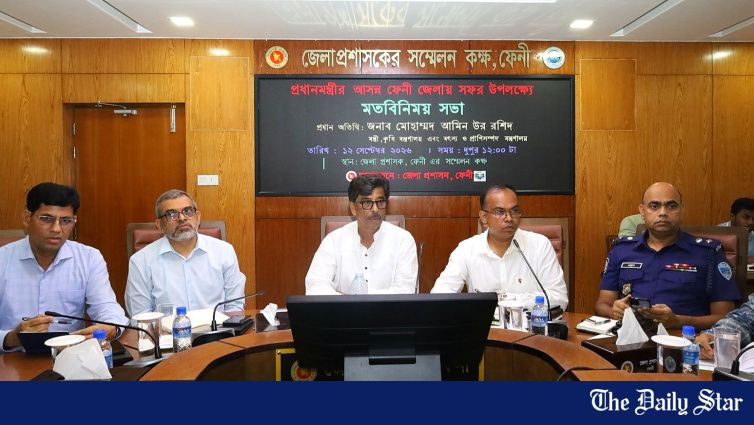
📊 The Commerce Ministry sent a letter to the Ministry of Fisheries and Livestock on Wednesday seeking its opinion on the supply and demand situation of hilsa in the domestic market. A decision on whether to allow exports to India will be made based on that opinion, sources at the Ministry of Commerce told Prothom Alo.
Commerce Secretary Md Ataur Rahman Khan told Prothom Alo: "A decision on the permission will be made soon after receiving the opinion from the Ministry of Fisheries and Livestock. I hope we receive a positive opinion in favour of allowing the exports." Khan's cautious optimism reflects the recurring tension between protecting domestic supply and maintaining a lucrative export channel to a religiously significant market.
📜 Exporters Seek Longer Window This Year
This year, Bangladeshi exporters have sought permission to export hilsa for a longer period instead of the short window allowed in previous years. They have requested permission for at least two months, and preferably throughout the year, arguing that the previous 20-25 day limit makes logistics nearly impossible.
Traders argue that it becomes difficult to complete opening letters of credit (LCs), collecting hilsa from coastal landing stations, processing and packaging within just 20 to 25 days. The compressed timeline forces exporters to either turn down orders or operate at subscale volumes, undermining the commercial viability of the trade.
The companies that have sought permission this year span major hilsa-producing regions:
- 📍 Khulna: Bishwas Enterprise
- 📍 Chattogram: JS Enterprise, Anraj Fish Products
- 📍 Jashore: Lucky Enterprise, MUC Foods, Mohtab & Sons, Janata Fish
- 📍 Dhaka: Vigilant Express, Swarnali Enterprise, Majestic Enterprise, BDS Corporation
- 📍 Barishal: Mahima Enterprise, AR Enterprise, Tanisha Enterprise
- 📍 Bhola: Rafid Enterprise
- 📍 Satkhira: MA Enterprise, Suman Traders
🌏 Indian Importers Push For Quick Clearance
The Fish Importers Association of India has sought permission to import hilsa from Bangladesh. The organisation recently sent separate letters to the Prime Minister's Office, the Ministry of Foreign Affairs and the Ministry of Commerce in New Delhi, making the formal request. Urging that permission for exports be granted by mid-September, the Indian trade body noted that Bangladesh used to export an average of around 5,000 tonnes of hilsa to India every year since 1996.
Although exports continued intermittently over the decades, formal hilsa exports resumed in September 2019 with special permission for a limited period on the occasion of Durga Puja. Since then, the trade has been governed by annual approvals tied to the Hindu festival calendar, with both governments treating hilsa as a sensitive commodity subject to domestic supply considerations.
💵 Historical Export Performance: A Pattern of Underutilisation
According to sources at the Ministry of Commerce, hilsa exports to India have consistently been lower than the quantities permitted, suggesting that the regulatory and logistical bottlenecks exporters have flagged are genuine constraints on actual trade.
- 📅 2019: 500 tonnes permitted (resumption after hiatus)
- 📅 2020: 1,850 tonnes permitted
- 📅 2021: 4,600 tonnes permitted, 1,200 tonnes exported
- 📅 2022: 2,900 tonnes permitted, 1,300 tonnes exported
- 📅 2023: 3,950 tonnes permitted, 1,300 tonnes exported
- 📅 2024: 2,420 tonnes permitted, 577 tonnes exported
- 📅 2025: 1,200 tonnes permitted, 150 tonnes exported
The trend shows a sharp decline in actual exports against permitted volumes, with 2025's 150 tonnes against a 1,200-tonne quota representing just 12.5% utilisation. Traders attribute the underperformance to short export windows, complex documentation, and the high prices that Bangladeshi hilsa commands in Indian markets during Durga Puja, which often tempt informal channels to bypass formal regulatory approval.
🌾 Domestic Supply Versus Export Ambitions
The Ministry of Fisheries and Livestock's opinion will hinge on the supply situation in the domestic market. Hilsa is Bangladesh's national fish and a critical source of affordable protein for low- and middle-income households. Any decision to permit large-scale exports risks driving up domestic prices, particularly during the September-October peak demand season when Padma hilsa floods coastal markets.
At the same time, the export opportunity is strategically significant. Hilsa commands premium prices in Indian markets — particularly in West Bengal, where Durga Puja drives a seasonal demand spike — and the foreign exchange earnings, though modest in volume terms, support Bangladesh's broader export diversification agenda beyond the dominant ready-made garment (RMG) sector. With LDC graduation approaching in November 2026 and export preferences narrowing, every non-traditional export stream carries strategic weight.
🤝 Diplomatic And Trade Significance
Hilsa exports have long carried diplomatic weight in Bangladesh-India relations, with periodic bans and relaxations serving as a barometer of bilateral ties. The 2019 resumption was widely seen as a goodwill gesture during a period of strained relations, while subsequent approvals have reflected the cyclical reset of diplomatic engagement.
For 2026, the export decision will be watched closely by both Indian importers, who need lead time to organise distribution ahead of Durga Puja, and Bangladeshi exporters, who have invested in cold-chain infrastructure but struggle to monetise it within short export windows. A positive opinion from the Ministry of Fisheries and Livestock would open the door to a longer export season — a structural reform that could finally allow actual export volumes to converge with permitted quotas.
For Bangladesh's agro-export ecosystem, the case underscores the cost of regulatory unpredictability. The annual cycle of approval-seeking, quota-fixing and underutilisation creates uncertainty that discourages investment in cold-chain infrastructure, processing facilities and branding. A multi-year export framework — with built-in supply triggers — would offer exporters the predictability needed to scale the trade sustainably, while preserving the government's ability to intervene in case of domestic supply shocks.
This news was originally published by Prothom Alo English. For the full original report, please visit: https://en.prothomalo.com/business/local/o8mx1tbu0x
Related on BangladeshExport
📬 Get Bangladesh Trade News in your inbox
Weekly digest of export industry news, policy updates, and market analysis.
📰 Related Stories