Bangladesh-India Trade Faces Restrictions From Both Sides: Commerce Minister
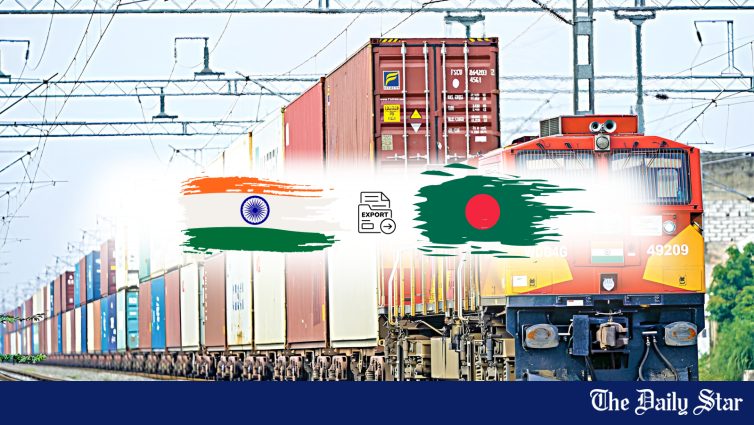
Star Online Report, Dhaka — Bilateral trade between Bangladesh and India continues to face restrictions from both sides, Commerce Minister Khandakar Abdul Muktadir told parliament on 3 September 2026 — providing the most direct government acknowledgement that trade barriers have been imposed by both countries over the past two years.
Replying to a supplementary question from Abdul Baten MP, the minister said Bangladesh's trade deficit with India increased further in the 2025-26 fiscal year compared with the previous year. The volume of bilateral trade currently stands at nearly $12.75 billion, of which Bangladesh exports goods worth $1.89 billion to India.
📊 Bilateral Trade Figures
- 💰 Total bilateral trade: $12.75 billion
- 💰 Bangladesh exports to India: $1.89 billion
- 💰 Bangladesh imports from India: ~$10.86 billion (implied)
- 📊 Trade deficit: ~$8.97 billion
- 📊 Export-to-import ratio: ~1:5.7
⚠️ Restrictions From Both Sides
"There were some restrictions from India, and during the last two years some restrictions have also been created from Bangladesh," Muktadir told parliament. The bilateral restrictions include:
Bangladesh-imposed restrictions:
- 🧵 Yarn import restriction through land ports (March 2025) — redirected to Chattogram port only
- 🚢 Land port limitations for certain goods categories
India-imposed restrictions:
- 👕 Garment import restrictions through land ports
- 🌾 Agro-processed food restrictions through land ports
- 🧵 Jute goods restrictions through land ports
- 🛋️ Furniture restrictions through land ports
- 🚢 Transhipment facility suspension (April 2025) — Bangladesh garments through Indian airports
📊 Historical Trade Deficit Trajectory
The minister presented data on Bangladesh's trade deficit with India from FY2020-21 to FY2024-25:
- 📊 FY2020-21: $7.31 billion deficit
- 📊 FY2021-22: $11.70 billion deficit (surge)
- 📊 FY2022-23: $7.72 billion deficit
- 📊 FY2023-24: $7.43 billion deficit
- 📊 FY2024-25: $7.86 billion deficit
- 📊 FY2025-26: ~$8.97 billion deficit (increased further)
🏛 Government's Trade Policy Approach
However, the government does not view the trade deficit with any single country in isolation, but considers the overall trade situation, Muktadir said. Bangladesh also has a large trade deficit with China (~$17.5 billion), he added.
The minister said there are opportunities to increase Bangladesh's exports to the Indian market. Explaining why imports from India are significantly higher, he said the government itself does not conduct imports — which are primarily carried out by private businesses. Traders source goods from wherever they find competitive prices, making India a major supplier under such conditions.
"Although the gap with one country is so wide, importers make their decisions based on convenience and cost," he said.
👥 Indian Business Delegation Proposal
Referring to the recent visit of an Indian business delegation to Bangladesh, Muktadir said the delegation had proposed forming a joint task force with Bangladeshi businesses to improve infrastructure. The government is considering the proposal and has shown interest in it as part of a coordinated effort to expand exports.
🏢 Priority Sectors for Export Growth
Emphasising the need to strengthen the country's export capacity, Muktadir said the government has identified several sectors as priority areas:
- 👕 Leather
- 🧵 Jute
- 🚢 Shipbuilding
- 🔧 Light engineering
- 💻 Semiconductors
Policy support is being provided to these sectors, alongside efforts to attract new investment. Plans are also underway to bring other potential sectors up to export-ready levels.
🌏 Strategic Context
- 📊 FY26 Bangladesh imports from India: $10.96 billion (NBR data, up from $9.62 billion)
- 📊 FY26 Bangladesh exports to India: $1.75 billion (flat YoY per NBR)
- 📊 Yarn imports from India: doubled to Tk 30,000 crore in FY26
- 📊 Bangladesh-China trade gap: ~$17.5 billion (larger than India)
- 📊 CEPA discussions: Comprehensive Economic Partnership Agreement under consideration
🌏 Strategic Implications
- ⚠️ Both sides restricting: trade barriers imposed by both Bangladesh and India
- ⚠️ Deficit increased further: from $7.86b (FY25) to ~$8.97b (FY26)
- ⚠️ 5.7:1 import-export ratio: structural imbalance persists
- ⚠️ Transhipment suspended: Bangladesh garments through Indian airports blocked
- ✅ Joint task force proposed: Indian delegation suggests infrastructure cooperation
- ✅ 5 priority sectors identified: leather, jute, shipbuilding, engineering, semiconductors
- ✅ Government interested: in task force proposal
- ✅ Aggregate trade approach: government focuses on overall trade, not bilateral deficit
The Commerce Minister's parliamentary disclosure confirms that Bangladesh-India trade is facing restrictions from both sides — with yarn import restrictions from Bangladesh and land port limitations from India creating a mutually constraining trade environment. The $8.97 billion trade deficit and the 5.7:1 import-export ratio reflect the structural reality that Indian raw materials (particularly yarn, cotton, and fabrics) remain competitively priced for Bangladeshi manufacturers. The proposed joint task force and the identification of five priority export sectors provide pathways for narrowing the deficit through increased exports rather than import reduction — aligning with Bangladesh's broader export diversification agenda through the LDC graduation transition period.
This news was originally published by The Daily Star. For the full original report, please visit: https://www.thedailystar.net/business/economy/news/bangladesh-india-trade-faces-restrictions-both-sides-commerce-minister-4264006
📬 Get Bangladesh Trade News in your inbox
Weekly digest of export industry news, policy updates, and market analysis.
📰 Related Stories