Bangladesh-India Trade Deficit Widens in FY26: Commerce Minister Tells Parliament
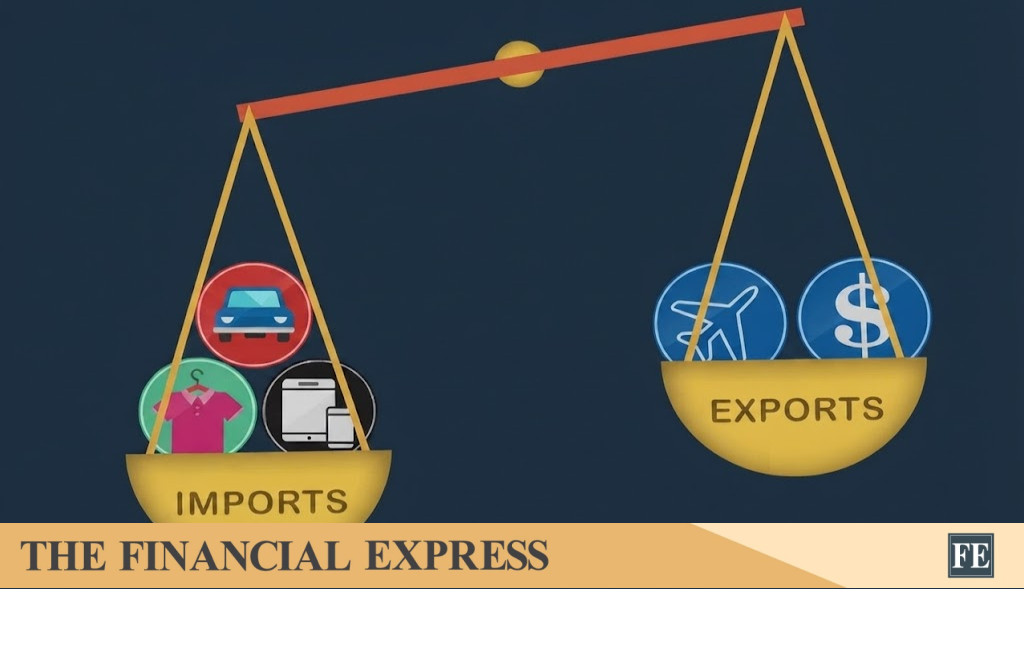
The Financial Express, Dhaka — Bangladesh's trade deficit with India widened in the 2025-26 fiscal year compared with the previous year, Commerce Minister Khandakar Abdul Muktadir told parliament on Thursday (3 September 2026) — providing the most authoritative government update on the bilateral trade imbalance.
Total trade between the two countries now stands at nearly $13 billion, with Bangladesh's exports to India amounting to $1.89 billion. The minister disclosed the figures in response to a supplementary question from Jamaat-e-Islami MP Abdul Baten in parliament.
📊 Trade Deficit Context
- 💰 Total bilateral trade: nearly $13 billion
- 💰 Bangladesh exports to India: $1.89 billion
- 💰 Bangladesh imports from India: ~$11.1 billion (implied)
- 📊 Trade deficit: ~$9.2 billion (widened from FY25)
- 📊 Export-to-import ratio: ~1:6
🏛 Commerce Minister's Assessment
Muktadir said Bangladesh also runs a substantial trade deficit with China. However, the government wants to focus on overall trade rather than examining the deficit with any single country separately — signalling a strategic shift towards aggregate trade management rather than bilateral deficit reduction.
👥 Sectors Identified for Export Growth
The minister identified several sectors to increase the country's export capacity:
- 👕 Leather — existing capacity with growth potential
- 🧵 Jute — traditional export with diversification opportunities
- 🚢 Shipbuilding — emerging sector with Maersk interest
- 🔧 Light engineering — SME-driven export potential
- 💻 Semiconductors — high-value technology sector
The government is working to boost exports from these sectors through policy support and new investment, he said.
🌏 Bilateral Trade Barriers
Muktadir acknowledged that there are barriers affecting bilateral trade from both sides:
- ⚠️ India's side: some barriers affecting Bangladeshi exports
- ⚠️ Bangladesh's side: obstacles created over past 2 years (yarn import restrictions, land port limitations)
- 👥 Indian business delegation: recently visited Bangladesh
- 👥 Task force proposal: Indian delegation proposed joint task force for infrastructure development
- ✅ Government interest: Bangladesh expressed interest in the proposal
💰 Why Imports Are High
Explaining why Bangladesh imports more from India, the minister said a large portion of imports is made by the private sector rather than the government. This includes cotton, yarn, fabrics, machinery, and raw materials that Bangladeshi manufacturers source from Indian suppliers due to competitive pricing and proximity.
📊 Strategic Context
The trade deficit disclosure comes amid broader Bangladesh-India trade dynamics:
- 📊 FY26 Bangladesh imports from India (NBR data): $10.96 billion (up from $9.62 billion FY25)
- 📊 FY26 Bangladesh exports to India (NBR data): $1.75 billion (flat YoY)
- 📊 Yarn imports from India: doubled to Tk 30,000 crore in FY26
- 📊 Trade restrictions: both sides imposed land port restrictions
- 📊 CEPA discussions: Comprehensive Economic Partnership Agreement under consideration
- 📊 Bangladesh-China trade gap: ~$17.5 billion (larger than India gap)
🌏 Strategic Implications
- ⚠️ Trade deficit widened: from ~$7.9B to ~$9.2B (FY25 to FY26)
- ⚠️ 6:1 import-export ratio: structural imbalance persists
- ⚠️ Private sector-driven imports: government cannot directly control
- ⚠️ Bilateral barriers: both sides have created obstacles
- ✅ 5 sectors identified for export diversification (leather, jute, shipbuilding, engineering, semiconductors)
- ✅ Indian business delegation: task force proposal for infrastructure
- ✅ Government interest expressed: in bilateral cooperation framework
- ✅ Aggregate trade focus: strategic shift from bilateral to overall trade management
The Commerce Minister's parliament disclosure confirms the widening Bangladesh-India trade deficit — with the ~$9.2 billion gap reflecting the structural reality that Bangladesh's private sector sources substantial raw materials and machinery from Indian suppliers at competitive rates. The identification of five export growth sectors (leather, jute, shipbuilding, light engineering, semiconductors) and the Indian business delegation's task force proposal provide concrete pathways for narrowing the deficit through increased exports rather than reduced imports — aligning with the government's broader export diversification agenda ahead of the LDC graduation transition beginning November 2026.
This news was originally published by The Financial Express. For the full original report, please visit: https://thefinancialexpress.com.bd/bangladesh/bangladesh-india-trade-deficit-widens-in-fy26
📬 Get Bangladesh Trade News in your inbox
Weekly digest of export industry news, policy updates, and market analysis.
📰 Related Stories