Bangladesh Govt Halves Aromatic Rice Export Quota to Curb Domestic Price Hike
Ministry of Commerce cut export allocations of 278 approved exporters by 50% as Chinigura rice price jumped 21% from Tk 190/kg in July to Tk 230/kg in August 2026. Only 5.3% of approved volume actually shipped by Aug 30.
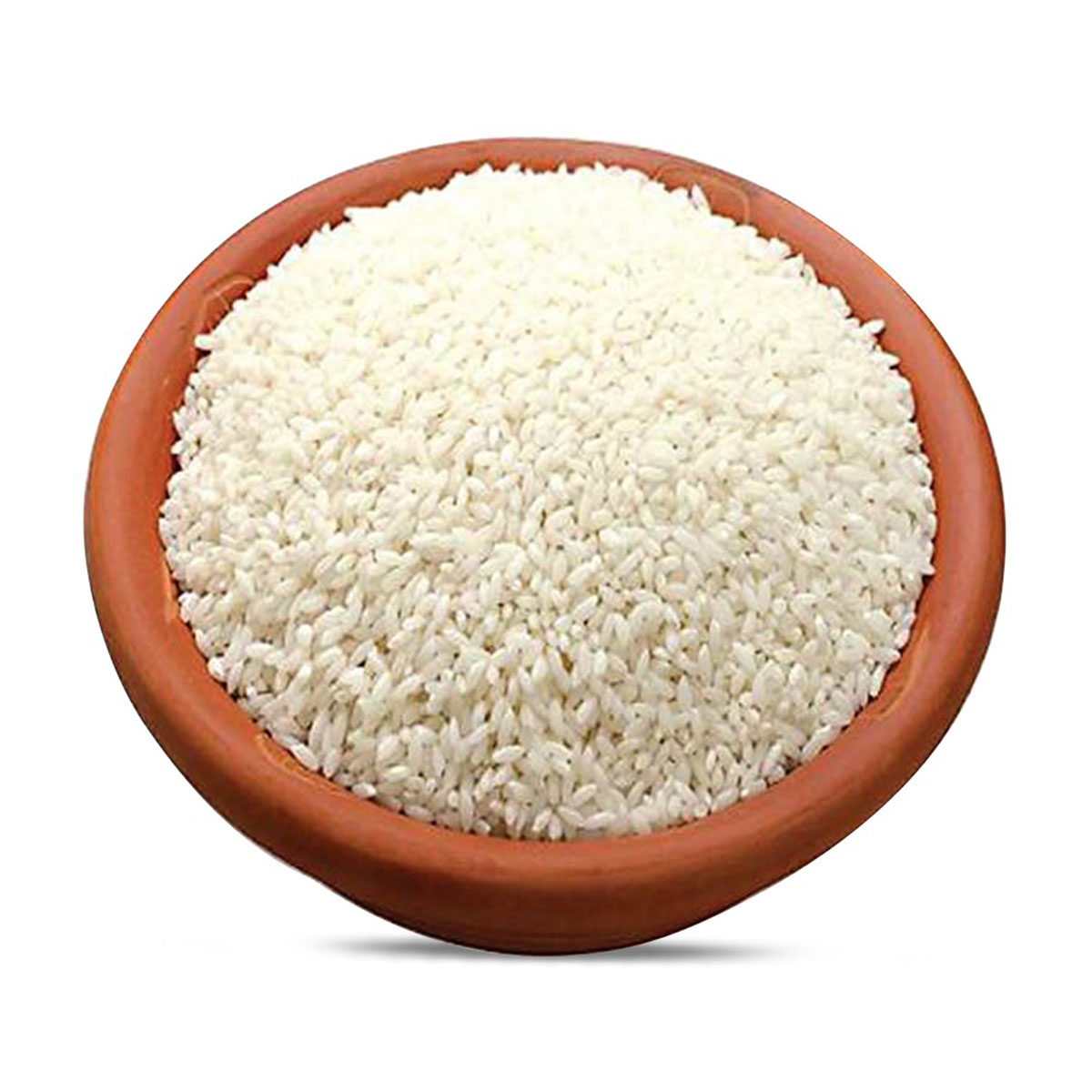
🌾 Dhaka, Bangladesh — The Bangladesh government has halved the aromatic rice export allocations of 278 previously approved exporters amid a sharp rise in domestic prices of the premium rice.
📋 In a notification issued on 7 September 2026, the Ministry of Commerce cut each exporter’s approved allocation by 50 percent, meaning no exporter will be allowed to ship more than half of the quantity previously approved. The ministry also lowered the minimum free-on-board (FOB) export price to $1.60 per kilogramme.
📊 According to the notification, the revised allocations took effect immediately and will remain valid until December 31, 2026.
📊 Only 5.3% of Approved Volume Actually Shipped
📊 The government had approved exports of 45,270 tonnes of aromatic rice for the 278 companies in two phases. But by August 30, only 129 exporters had shipped 2,419 tonnes — or about 5.3 percent of the approved volume. Nearly 42,900 tonnes of the approved quantity therefore remained unshipped as of August 30.
💰 Domestic Price Surge: Chinigura Up 21%
📊 The quota reduction comes as domestic prices of aromatic rice have climbed sharply. The price of Chinigura rose to around Tk 230 per kilogramme in the second week of August from Tk 190 in July — an increase of about 21 percent.
💬 AHM Shafiquzzaman, President of the Consumers Association of Bangladesh, last month questioned the sharp increase in aromatic rice prices, calling it unjustified.
📊 The ministry had been reviewing export allocations as domestic prices increased and had sought details of actual shipments to identify unused quotas.
📋 10 New Conditions Imposed on Exporters
📊 Under the revised arrangement, the ministry has also imposed 10 conditions aimed at strengthening monitoring and ensuring that export proceeds are repatriated:
- 📜 Export Policy 2024-27 compliance — mandatory for all exporters
- 🔍 Customs verification — quality and authenticity check before each export
- 📜 Shipping documents submission — to ministry’s Export-2 branch after every consignment
- 💰 Evidence of previous exports — for fresh approval applications
- 🚫 Non-transferable allocations — no subcontracting or third-party execution
- 🏛 Public interest cancellation — government can cancel approval without show-cause notice
- 💰 Proceeds Realization Certificate — mandatory proof of export proceeds repatriation
💬 Square Food & Beverage CEO: Decision to Control Domestic Prices
💬 Md Parvez Saiful Islam, CEO of Square Food & Beverage Ltd, said the ministry took the decision primarily to control the rising price of aromatic rice in the domestic market.
💬 He said the permission to export created additional demand in the market, contributing to a sharp rise in domestic prices last month. Some exporters also stocked aromatic rice for export, further contributing to the price increase, he said.
📊 According to him, Square has already fulfilled its export quota, while most other exporters could not fully utilise their allocations. He said the latest decision is expected to help control aromatic rice prices in the domestic market.
📊 Strategic Context: Bangladesh Rice Export Policy
📊 For Bangladesh’s agricultural policy, the aromatic rice export decision reflects a delicate balance:
- 🌏 Export revenue — aromatic rice commands premium prices in Middle East, EU, US diaspora markets
- 🌾 Domestic supply — limited production creates tension between export and home consumption
- 💰 Farmer income — export demand supports higher farm-gate prices
- 👥 Consumer welfare — domestic price spikes hit urban middle-class consumers
- 📋 Export discipline — many approved exporters failed to ship, blocking quota for genuine exporters
📈 Bangladesh Aromatic Rice Export History
📊 Bangladesh resumed aromatic rice exports in 2025, with approvals issued in phases. The latest decision effectively links future export opportunities more closely to actual shipments and compliance with export conditions.
📊 Key aromatic rice varieties exported from Bangladesh:
- 🌾 Chinigura — premium aromatic rice, Tk 230/kg domestic
- 🌾 Kataribhog — traditional aromatic variety
- 🌾 Bashmati — Bangladesh-grown basmati-type
- 🌾 Tulshimala — aromatic fine grain
- 🌾 Dudhshar — aromatic rice variety
🌏 Strategic Implications for Bangladesh Agriculture
📊 For Bangladesh’s broader agricultural strategy, the quota cut signals several policy priorities:
- 👥 Consumer protection — government willing to constrain exports to protect domestic consumers
- 📋 Export discipline — clamping down on exporters who secure quota but don’t ship
- 💰 Proceeds repatriation — ensuring export revenue returns to Bangladesh
- 🌿 Quality control — customs verification before each export shipment
- 📊 Price stabilisation — addressing supply-driven price spikes
✅ For Bangladesh’s aromatic rice farmers, the decision has mixed implications. Higher domestic prices benefit growers, but quota cuts may reduce overall export demand. For exporters, the 50% cut creates uncertainty — those who have already shipped (like Square) are protected, while those with unused quota face immediate business impact.
🌏 For the broader economy, the aromatic rice episode reflects the structural challenge of balancing export promotion with domestic food security — particularly for premium commodities where production is limited and global demand is growing. Bangladesh’s policymakers will need to develop more sophisticated export-management mechanisms that can respond quickly to domestic price signals while maintaining export market access for genuine exporters.
📊 The 10 new conditions imposed on exporters signal that the government is also tightening compliance — particularly around export proceeds repatriation, which has been a long-standing concern in Bangladesh’s export trade. The Proceeds Realization Certificate requirement will help ensure that export revenue is properly captured in the formal banking system, contributing to foreign exchange reserves.
🌏 Looking ahead, the aromatic rice export market is expected to remain tightly managed through December 2026, with the Ministry of Commerce likely to continue monitoring domestic prices and adjusting quotas as needed. For Bangladesh’s export community, the message is clear: secure allocations are not guaranteed, and actual shipment performance will increasingly determine future export opportunities.
This news was originally published by The Daily Star. For the full original report, please visit: https://www.thedailystar.net/business/economy/news/govt-halves-aromatic-rice-export-quota-4268086
📬 Get Bangladesh Trade News in your inbox
Weekly digest of export industry news, policy updates, and market analysis.
📰 Related Stories