Bangladesh Economy Shows Stabilisation Signs But Macroeconomic Stress Persists: MCCI
MCCI quarterly review reports GDP growth of 4.14% in FY26, inflation above 9%, strong remittances but subdued exports
📊 Bangladesh's economy showed signs of stabilisation during April-June of fiscal year 2026, but continued to face significant macroeconomic stress, according to the Metropolitan Chamber of Commerce and Industry (MCCI) in its "Review of Economic Situation of Bangladesh April-June 2026 (Q4 of FY26)" released on August 25, 2026.
📈 GDP Growth Shows Recovery
Provisional estimates from the Bangladesh Bureau of Statistics (BBS) put overall FY26 GDP growth at 4.14 percent, up from 3.49 percent in FY25. While this represents an improvement, the MCCI noted that growth remained below the country's longer-term potential.
- 📈 FY26 GDP growth: 4.14% (up from 3.49% in FY25)
- 📊 Q4 (April-June) showed gradual macroeconomic stabilisation
- 🏛 Growth below longer-term potential
- 📰 Source: MCCI review, released August 25, 2026
⚠ Inflation Remains Major Concern
Inflation remained the most pressing concern. The MCCI review states that headline inflation rose above 9 percent during the quarter, reaching 9.16 percent in June after standing at 9.42 percent in May. Food inflation eased to 8.60 percent in June, but persistent non-food and energy-related price pressures continued to constrain household purchasing power.
- ⚠ Headline inflation June 2026: 9.16%
- ⚠ Headline inflation May 2026: 9.42%
- 🍚 Food inflation June 2026: 8.60%
- 💲 Non-food inflation remained persistently high
🌏 External Sector Improvement
The external sector showed considerable improvement during the review period. Remittance inflows remained exceptionally strong, with Bangladesh receiving $9.38 billion during April-June 2026. Foreign exchange reserves also strengthened, with gross reserves rising to $37.58 billion at the end of June, compared with $34.48 billion at the end of May.
- 💰 Remittances April-June: $9.38 billion
- 💰 FX reserves end-June: $37.58 billion (up from $34.48 billion in May)
- 📊 Reserve increase: $3.10 billion in one month
📦 Export Performance Subdued
Exports remained subdued despite a strong rebound in June, when shipments reached $4.19 billion. Total exports in FY26 stood at $48.38 billion, marginally higher than the $48.3 billion recorded in FY25. The MCCI noted that these figures indicate continued weakness in external demand despite some recovery towards the end of the fiscal year.
- 📦 FY26 total exports: $48.38 billion (vs $48.3 billion in FY25)
- 📦 June 2026 exports: $4.19 billion (strong rebound)
- ⚠ Continued weakness in external demand
🏛 MCCI Assessment Summary
The MCCI stated: "Overall, the review period reflected gradual macroeconomic stabilisation, supported particularly by strong remittances and improved foreign exchange reserves. However, high inflation, subdued investment and credit growth, weak export performance, fiscal constraints and vulnerabilities in the banking sector remained significant challenges."
📝 MCCI Policy Recommendations
The MCCI emphasised that the policy priority going forward should be to:
- ✅ Consolidate external sector stability
- ✅ Bring down inflation
- ✅ Create conditions for stronger private investment
- ✅ Achieve sustainable economic growth
📊 Banking Sector Vulnerabilities
The MCCI review highlighted banking sector vulnerabilities as a significant concern. Bangladesh's banking sector has been facing multiple challenges including high non-performing loans (NPLs), governance issues, and capital adequacy concerns. The merger of five banks into Sammilito Islami Bank PLC with capital of approximately Tk 350 billion represents ongoing reform efforts.
- ⚠ High NPLs in banking sector
- 🏛 Governance issues at several banks
- 💰 Sammilito Islami Bank: Tk 350 billion capital (merger of 5 banks)
- 📊 Meghna Bank raising Tk 400 crore through bonds
⚡ Energy Crisis Impact
The energy crisis remains a significant drag on economic activity. Gas shortages have halted production at over 100 factories across Bangladesh. The Finance Minister has stated the crisis will take two years to resolve. The MCCI's review period coincided with intensifying energy supply disruptions.
- ⚠ Gas shortages affecting 100+ factories
- 📅 Energy crisis: 2 years to resolve (Finance Minister)
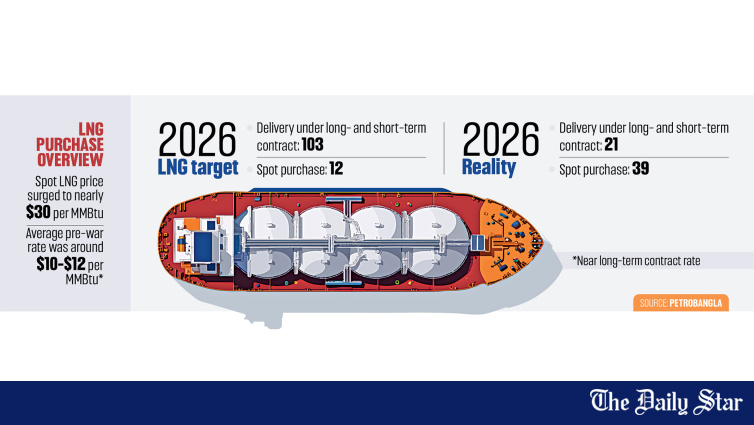
- 💰 LNG costs doubled vs pre-war rates
- ☀ Big businesses installing 600MW+ rooftop solar
🤝 Corroboration from Other Sources
The Daily Star separately reported that the economy shows signs of gradual stabilisation, corroborating the MCCI's assessment. Both sources agree that while the worst may be over, structural challenges including banking sector vulnerabilities, weak private investment, and high inflation continue to constrain economic recovery.
The Bangladesh Bank has also warned that the RMG sector faces rising production costs and stiffer competition, with exports growing 11% to $10.10 billion in April-June despite energy challenges.
📊 The MCCI's quarterly review serves as a critical barometer for Bangladesh's economic health. While the stabilisation signs are encouraging — GDP growth up, remittances strong, reserves improving — the persistence of high inflation at 9.16%, subdued export growth, and banking sector vulnerabilities suggest that the road to full recovery remains challenging. The policy priority must be to consolidate external stability while addressing structural issues.
This news was originally published by The Business Standard. For the full original report, please visit: https://www.tbsnews.net/economy/economy-shows-signs-stabilisation-macroeconomic-stress-persists-mcci-1524451
📬 Get Bangladesh Trade News in your inbox
Weekly digest of export industry news, policy updates, and market analysis.
📰 Related Stories