Oil Prices Sink as US-Iran Pause Fuels Fresh Hormuz Hopes, Brent Drops Below $90
Brent crude sheds more than 7% at one point after 13 days of strikes pause; Oman-mediated Hormuz talks and Pakistan-China peace push add to de-escalation momentum, offering relief to energy-importing countries like Bangladesh
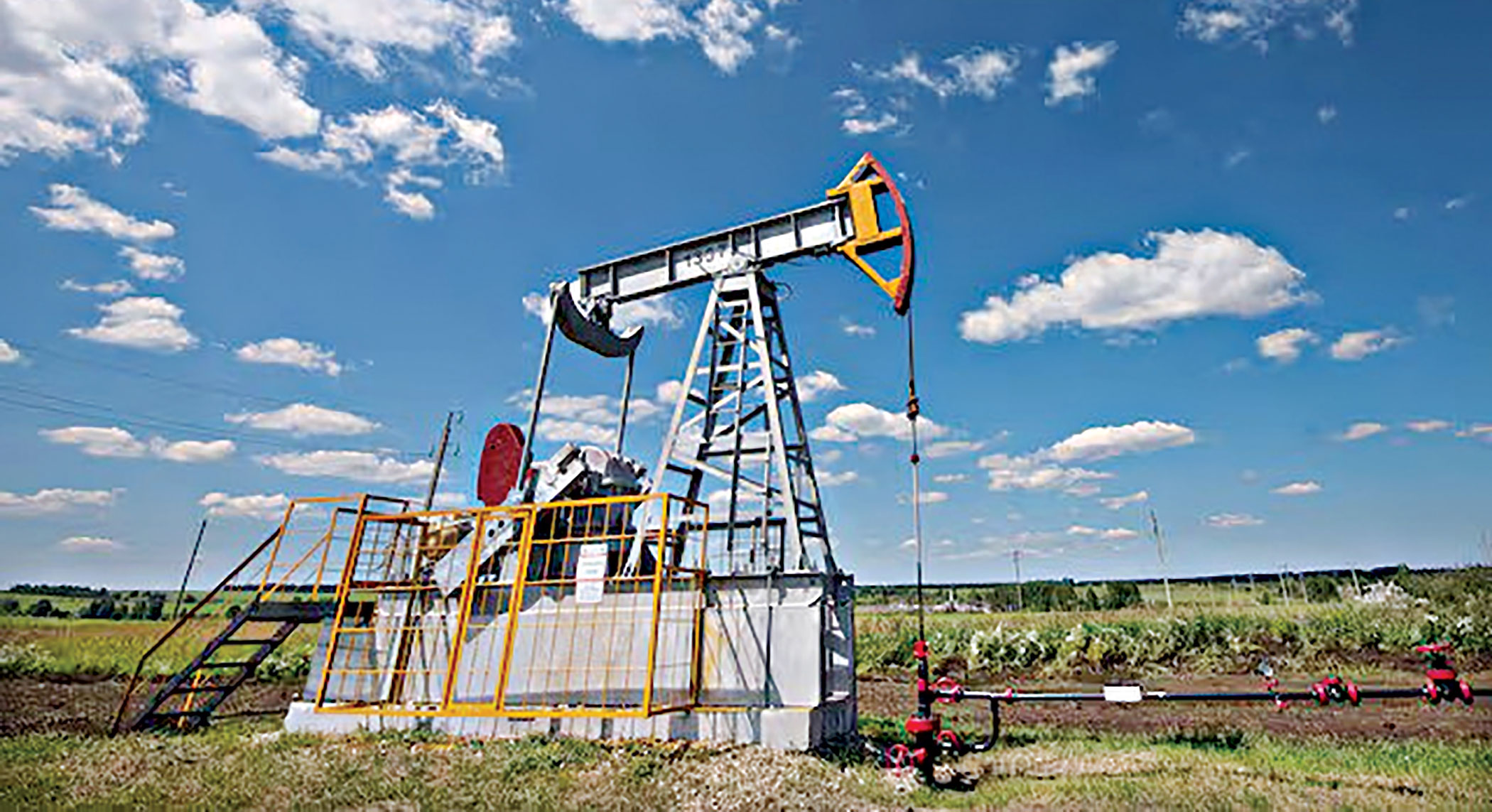
Hong Kong, July 27, 2026 — Oil prices tumbled Monday as a pause in tit-for-tat strikes between the United States and Iran boosted hopes for a return to their ceasefire and negotiations on reopening the Strait of Hormuz. Brent crude shed more than seven percent at one point to briefly drop back below $90 a barrel, providing significant relief to global energy markets and importing countries like Bangladesh that have been grappling with elevated energy costs. 📈
🇺🇸 After 13 days of attacks on sites in the Islamic republic, the United States held fire over the weekend, and Donald Trump's UN envoy said the US president was "giving talks some space". Tehran in turn said it would stop its retaliatory attacks on regional neighbours, handing Gulf shipping and the oil industry a much-needed respite after weeks of escalating tensions.
📜 Diplomatic Developments
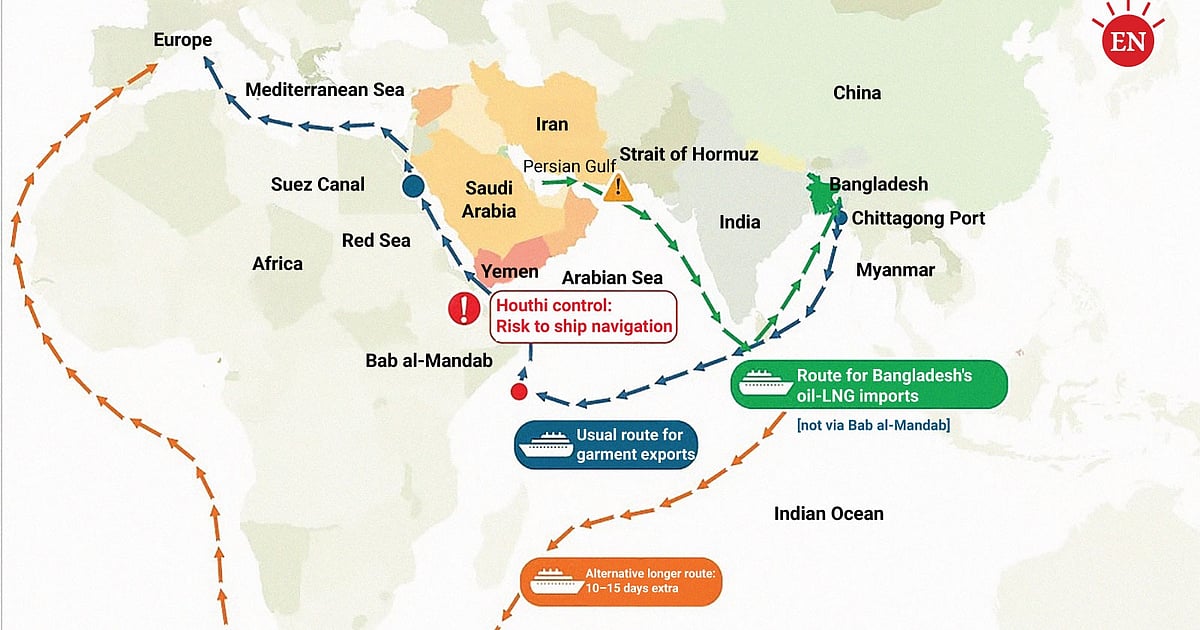
🤝 The two sides resumed hostilities earlier this month, breaking a fragile truce, after Iran attacked ships passing through Omani waters in the Strait of Hormuz, sparking a pattern of escalation. That derailed diplomatic efforts between Washington and Tehran, but the conflict then expanded beyond the vital energy corridor, with Iran-backed Houthi rebels in Yemen striking Saudi vessels in the Bab al-Mandeb Strait — a crucial passage into the Red Sea.
📊 However, Trump's decision to hold off more strikes and Iran's claims Sunday that it had made progress in talks with Oman on management of the Strait of Hormuz provided some much-needed relief to energy markets. The discussions focused on "common principles and operational mechanisms" for ensuring the safe passage of shipping through the strait while respecting the sovereign rights of the two states, Iran's foreign ministry spokesman Esmaeil Baqaei said.
🌏 Meanwhile, a report said Pakistan was looking at resuming US-Iran peace talks, following a push initiated by China — adding another layer of diplomatic activity to the multi-party efforts to de-escalate the regional conflict.
💰 Oil Price Movements
📈 Crude prices had soared on the flare-up, with Brent breaking back above $100 a barrel last week for the first time since May. News that shipping continued in the Red Sea helped investors pare the gains Friday. But the weekend pause in strikes triggered a sharp sell-off on Monday:
- 💰 Brent crude: Shed more than 7 percent at one point, briefly dropping below $90/barrel
- 📉 Sharp reversal: From above $100/barrel last week to below $90/barrel on Monday
- 📊 Two-week swing: Approximately 10-15 percent price movement in a matter of days
📜 Sally Auld of National Australia Bank summarised the market dynamics in a note to clients:
"It looks as if developments in the Middle East have moved in a positive direction over the weekend, adding some credibility to the notion that oil above $100 a barrel seems to induce de-escalatory behaviour from both sides."
📈 Equity Market Reaction
📊 The positive developments eased worries about a reignition of inflation and a fresh round of interest rate hikes, in turn helping most equity markets higher. However, concerns about the sustainability of the AI boom and questions over the eye-watering sums pumped into the sector continue to dog traders, as tech firms bore the brunt of selling.
🌏 Asian market performance was mixed on Monday:
- 🇰🇷 Seoul: Led the losses, shedding more than 1 percent — SK hynix and Samsung in the firing line
- 🇹🇼 Taipei and Singapore: Fell on tech sector weakness
- 🇩🇪 Jakarta: In retreat following surprise resignation of Indonesian central bank boss Perry Warjiyo citing personal reasons
- 🇯🇵 Tokyo: Rose, though Advantest, Kioxia, and Tokyo Electron suffered more hefty selling pressure
- 🇭🇰 Hong Kong, Sydney, Shanghai, Wellington, Manila: All up on the oil-driven optimism
📋 Tech Earnings Watch
📱 Traders will be keenly awaiting the release of earnings from SK hynix, Samsung, and Japan's Kioxia this week, while US titans Microsoft, Meta, Apple, and Amazon are also due to report, with focus on their outlooks and capital expenditure plans.
💼 Tim Waterer of KCM Trade noted the market's nervousness about tech sector spending:
"Traders remain somewhat nervy about the scale of the capex being committed, given lingering concerns over how long the return-on-investment phase may take to fully materialise."
🇺🇸 Federal Reserve Decision in Focus
🏛 Also in view this week is the Federal Reserve's latest policy decision, in light of the latest US-Iran flare-up and recent data indicating inflation easing. Bets on a hike have risen over the past week, though analysts expect officials to stand pat on Wednesday.
⚠ Jenny Zeng at Allianz Global Investors cautioned that the Fed's pause may not last:
"While the (policy board) is likely to remain on hold in July, we continue to expect 50 basis points of tightening by year-end."
🇨🇳 CXMT IPO Highlights China Tech Push
📈 In company news, China's leading memory chipmaker CXMT jumped 470 percent on its market debut in Shanghai, briefly surpassing megabank ICBC as the mainland's most valuable company. The breathtaking surge came after the Anhui-based company had raised $9.8 billion in a blockbuster initial public offering, Bloomberg News reported, making it China's biggest ever mainland tech share sale.
🇧🇩 Implications for Bangladesh
📊 For Bangladesh, the oil price decline offers significant relief on multiple fronts. The country has been facing mounting pressure from elevated energy import costs, with the energy import bill surging from $4.3 billion in FY2021 to $11.2 billion in FY2026, according to analysis by the Policy Research Institute of Bangladesh. The 7 percent drop in Brent crude, if sustained, could translate into meaningful savings on Bangladesh's energy import bill.
🚢 Key implications for Bangladesh include:
- 💰 Reduced energy import bill — lower LNG and crude oil prices easing pressure on forex reserves
- 🏭 Industrial cost relief — lower energy costs supporting manufacturing competitiveness
- 🚢 Shipping cost stabilisation — Hormuz reopening would normalise Middle East shipping routes
- 💲 Subsidy burden reduction — Bangladesh's Tk 837 billion energy subsidy bill could ease
- 👕 Export competitiveness — lower production costs supporting RMG and other export sectors
⚠ However, the situation remains fragile. The US-Iran pause is described as diplomatic "space" rather than a formal ceasefire, and previous truces have broken down. Bangladesh's policymakers and importers will be watching the trajectory of oil prices closely in the coming days, particularly as the country navigates the ongoing FSRU repair situation at Moheshkhali that has cut 450 mmcfd of domestic gas supply.
🌏 Outlook and Risks
📊 The oil market's near-term trajectory will depend on several factors:
- 🤝 US-Iran diplomatic progress — whether the pause translates into a sustained ceasefire
- 🇴🇲 Oman-mediated Hormuz talks — whether operational mechanisms can be agreed
- 🇵🇰 Pakistan-China peace initiative — whether multilateral pressure can sustain de-escalation
- 🇾🇲 Houthi behaviour — whether Yemen-based attacks on Saudi Aramco cease
- 🇺🇸 Fed policy decision — whether US interest rate outlook supports or undermines commodity prices
🌏 For Bangladesh, a sustained oil price decline would provide critical breathing room for macroeconomic management at a time when S&P Global has revised the country's outlook to negative and the IMF is closely monitoring fiscal performance. Even a partial easing of energy cost pressures could meaningfully improve Bangladesh's near-term balance of payments position and reduce the urgency of some of the more difficult fiscal adjustments under consideration.
📊 The coming week will reveal whether the US-Iran pause holds and whether oil markets can sustain Monday's sharp decline, or whether the latest diplomatic opening proves as fragile as previous attempts at de-escalation in this protracted Middle East conflict.
This news was originally published by The Daily Star. For the full original report, please visit: https://www.thedailystar.net/business/news/oil-prices-sink-us-iran-pause-fuels-fresh-hormuz-hopes-4233691
📬 Get Bangladesh Trade News in your inbox
Weekly digest of export industry news, policy updates, and market analysis.
📰 Related Stories