Kurigram Introduces Soil Health Protection Cards To Ensure Fertiliser Reaches Genuine Farmers
DAE Kurigram launches temporary Soil Health Protection Cards for 584,000 farmers ahead of the Robi season (mid-October to mid-March), aiming to curb black-market fertiliser sales and prevent non-farmers from collecting subsidised fertiliser.
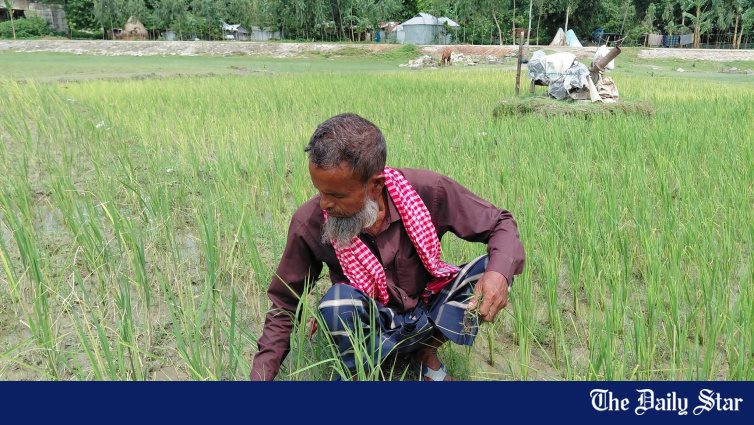
Kurigram, September 25, 2026 — The Department of Agricultural Extension (DAE) has decided to introduce temporary “Soil Health Protection Cards” for farmers in Kurigram to ensure fertiliser reaches genuine farmers during the upcoming Robi season (mid-October to mid-March). Preparations for the cards have begun, with farmer registration already underway in Chilmari upazila, according to DAE officials.
🌾 The initiative aims to bring discipline to fertiliser distribution and prevent people posing as farmers from collecting fertiliser for black-market sales — a long-standing problem in Bangladesh's agricultural input supply chain.
⚠ The Background: Widespread Complaints Over Fertiliser Distribution
The move comes amid widespread complaints over fertiliser distribution during the ongoing Aman season, including:
- ⚠ Alleged collusion between block supervisors, dealers and retailers.
- ⚠ Collection of fertiliser by non-farmers — who then sell it on the black market at higher prices.
- ⚠ Protests in several upazilas — with farmers demanding fairer distribution.
- ⚠ Incidents of people taking fertiliser from dealers' warehouses — without authorisation.
- ⚠ Road blockades — as farmers protested shortages.
- ⚠ Attacks on agriculture officials — in some areas.
Even additional allocations beyond regular monthly quotas have failed to fully ease the situation — indicating that the problem is not just about supply but also about distribution integrity.
📊 Kurigram's Farmer Population
- 👥 Total farmers in Kurigram: approximately 584,000.
- 📅 Last nationwide farmer list: prepared in 2014 — not updated since.
- 📅 Gap: 12 years since the last update, during which farmer demographics have changed significantly.
The lack of an updated farmer list has been a key enabler of fertiliser diversion to non-farmers — as the existing system lacks the granular data needed to verify genuine farmers.
📋 How The Soil Health Protection Card Will Work
According to DAE, block supervisors are preparing lists of genuine farmers before the cards are issued. Each card will contain:
- 📷 Farmer's photograph
- 👤 Farmer's name
- 📍 Address
- 🆔 NID (National ID) number
- 🌾 Details of land owned or cultivated
- 🧪 Quantity of fertiliser supplied
- 🌿 Crop name
- 📅 Distribution date
This card system will create a complete audit trail for fertiliser distribution — making it significantly harder for non-farmers to obtain subsidised fertiliser.
💬 DAE Deputy Director's Statement
Abdullah Al Mamun, deputy director of DAE in Kurigram, said fertiliser is currently distributed based only on NID cards, allowing non-farmers to collect it.
💬 “During the upcoming Robi season, fertiliser will be distributed among farmers through ‘Soil Health Protection Cards’ prepared on the basis of a specific list. This will prevent anyone other than genuine farmers from collecting fertiliser,” he said.
💰 Kurigram's Fertiliser Allocation (September 2026)
Agriculture officials said some low-lying char lands along the Brahmaputra have become suitable for cultivation this year due to the absence of flooding. Farmers have started late Aman and early vegetable cultivation, increasing fertiliser demand. The government's allocations for Kurigram in September:
Additional Allocations (Beyond Regular Quota)
- 🌿 Urea: 1,000 tonnes (additional)
- 🌿 TSP: 32 tonnes (additional)
- 🌿 DAP: 300 tonnes (additional)
Regular Monthly Allocations
- 🌿 Urea: 4,644 tonnes
- 🌿 DAP: 1,910 tonnes
- 🌿 MOP: 1,326 tonnes
- 🌿 TSP: 700 tonnes
Total September 2026 fertiliser allocation for Kurigram:
- 📊 Urea: 5,644 tonnes
- 📊 DAP: 2,210 tonnes
- 📊 MOP: 1,326 tonnes
- 📊 TSP: 732 tonnes
💬 Farmers' Voices On The Card Initiative
Bazlar Rahman, 65, a farmer from Chilmari's Thanahat area, said the cards would help genuine farmers get fertiliser if they were distributed properly.
💬 “The agriculture department [should ensure proper distribution]…” he added — reflecting both optimism about the initiative and caution about implementation.
🌏 Why This Matters For Bangladesh's Fertiliser Distribution Reform
The Kurigram Soil Health Protection Card initiative is part of broader fertiliser distribution reform efforts in Bangladesh. The current system has long been criticised for:
- ⚠ Lack of farmer-level data — with the 2014 farmer list now 12 years out of date.
- ⚠ Weak verification systems — allowing non-farmers to collect subsidised fertiliser.
- ⚠ Black market diversion — with subsidised fertiliser leaking to non-agricultural uses or being resold at higher prices.
- ⚠ Collusion risks — between distributors, dealers, and intermediaries.
- ⚠ Inadequate monitoring — making it difficult to track fertiliser movement through the supply chain.
The Soil Health Protection Card addresses several of these weaknesses by:
- ✅ Creating a verified farmer database at the local level.
- ✅ Providing photographic identification to prevent impersonation.
- ✅ Recording land ownership and cultivation details — matching fertiliser allocation to actual cultivation.
- ✅ Tracking fertiliser quantities distributed — creating an audit trail.
- ✅ Linking fertiliser distribution to crop type — ensuring appropriate fertiliser types reach appropriate crops.
💼 Potential For National Rollout
If the Kurigram pilot proves successful, the Soil Health Protection Card model could be expanded to other districts — potentially becoming the foundation for a national farmer identification and fertiliser distribution system.
A national rollout would require:
- 📝 Nationwide farmer registration — updating the 2014 farmer list.
- 📝 Card distribution infrastructure — printing and distributing millions of cards.
- 📝 Digital database integration — linking farmer data with fertiliser dealer systems.
- 📝 Capacity building — training block supervisors and dealers on the new system.
- 📝 Monitoring and evaluation — to assess effectiveness and address implementation gaps.
🌏 International Comparisons: Direct Benefit Transfer Models
The Soil Health Protection Card approach is conceptually similar to direct benefit transfer (DBT) models used in other countries:
- 🇮🇳 India's PM-KISAN — direct cash transfer to farmers based on verified land ownership.
- 🇩🇪 Germany's CAP direct payments — EU Common Agricultural Policy payments to registered farmers.
- 🇺🇸 USDA farm programmes — with detailed farmer registration and benefit tracking.
- 🇧🇷 Brazil's Cadastro Rural — comprehensive rural registration system.
Bangladesh's Soil Health Protection Card could be a step towards a more comprehensive farmer registration system — with potential applications beyond fertiliser distribution, including:
- 🌾 Subsidy distribution — for seeds, irrigation, and other inputs.
- 🌾 Crop insurance — linking farmer registration to crop insurance schemes.
- 🌾 Credit access — using the card as collateral or credit history.
- 🌾 Extension services — targeting agricultural advisory services to verified farmers.
- 🌾 Disaster relief — directing agricultural disaster assistance to affected farmers.
📜 Looking Ahead
For Kurigram's 584,000 farmers, the Soil Health Protection Card initiative represents a meaningful step towards more transparent and equitable fertiliser distribution. If implemented effectively, the system could:
- ✅ Reduce fertiliser diversion to non-farmers and the black market.
- ✅ Improve fertiliser availability for genuine farmers.
- ✅ Reduce farmer protests and social tensions around fertiliser distribution.
- ✅ Improve agricultural productivity by ensuring timely fertiliser application.
- ✅ Provide a foundation for broader agricultural data and policy improvements.
The coming weeks — as the Robi season begins in mid-October — will reveal whether the card system can deliver on its promise. For Bangladesh's broader agricultural reform agenda, the Kurigram pilot is an important test case — one that could shape the future of fertiliser distribution nationwide.
This news was originally published by The Daily Star. For the full original report, please visit: https://www.thedailystar.net/business/agriculture/news/kurigram-introduce-temporary-cards-ensure-fertiliser-reaches-genuine-farmers-4279696
📬 Get Bangladesh Trade News in your inbox
Weekly digest of export industry news, policy updates, and market analysis.
📰 Related Stories

✍️ More from System Administrator