Climate Shocks Hit Bangladesh Salt Production: Prices Up 50% As FY26 Output Falls 28% Below Target
TBS reports climate shocks caused Bangladesh's salt production to fall 28% below target in FY26, pushing prices up 50%. The impact was particularly severe in Cox's Bazar, the country's main salt-producing region.
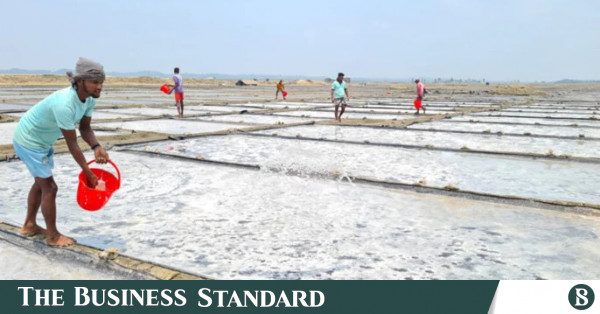
Cox's Bazar, September 29, 2026 — Climate shocks have hit Bangladesh's salt production, causing output to fall 28 per cent below target in FY26 and pushing prices up by 50 per cent. The impact was particularly severe in Cox's Bazar, the country's main salt-producing region.
📊 Salt Production Data
- 🧂 FY26 production shortfall: 28% below target
- 🧂 Price increase: approximately 50%
- 🧂 Main producing region: Cox's Bazar
- 🧂 Production method: solar evaporation of seawater in coastal salt beds
- 🧂 Production season: November to May (dry season)
🌏 Climate Impact On Salt Production
Bangladesh's salt production is highly vulnerable to climate variability:
- 🌡 Unseasonal rainfall — rain washes away salt beds, destroying production
- 🌡 Cyclones — storm surges inundate salt beds with seawater
- 🌡 Temperature changes — suboptimal evaporation rates
- 🌡 Sea level rise — long-term threat to coastal salt production areas
- 🌡 El Niño/La Niña — affecting monsoon patterns and dry season conditions
💼 Bangladesh's Salt Sector
- 🧂 Annual demand: approximately 2.5 million tonnes
- 🧂 Annual production: approximately 1.95 million tonnes (FY26 actual)
- 🧂 Production shortfall: approximately 550,000 tonnes
- 🧂 Major uses: edible salt, industrial salt, fish processing, leather tanning
- 🧂 Employment: hundreds of thousands of salt farmers in coastal areas
💰 Price Impact
The 50% price increase affects:
- 👨👩 Household consumers — salt is a basic necessity
- 🏭 Food processing industry — salt is used in preservation, seasoning, and processing
- 🏭 Fish processing — dried fish industry depends on salt
- 🏭 Leather industry — salt used in hide preservation
- 🏭 Chemical industry — salt as raw material for chlorine and caustic soda
📜 Looking Ahead
For Bangladesh's salt sector, the climate shock underscores the need for:
- 📝 Climate-resilient production — improved salt bed design and weather protection
- 📝 Import management — balancing domestic production shortfalls with imports
- 📝 Farmer support — crop insurance and financial assistance for affected salt farmers
- 📝 Technology adoption — modernising salt production for efficiency and resilience
The salt sector's climate vulnerability is part of a broader pattern of climate impacts on Bangladesh's agricultural and coastal economy — reinforcing the urgency of climate adaptation investment.
This news was originally published by The Business Standard. For the full original report, please visit: https://www.tbsnews.net/economy/climate-shocks-hit-salt-production-push-prices-50-1553886
📬 Get Bangladesh Trade News in your inbox
Weekly digest of export industry news, policy updates, and market analysis.
📰 Related Stories
✍️ More from System Administrator