Bangladesh Kitchen Markets Surge After Fuel Price Hike: Oil, Garlic, Vegetables Rise In A Day
Within 24 hours of the diesel and octane price hike, loose soybean oil rose Tk10 per litre, Chinese garlic jumped Tk20 per kg, and vegetables climbed Tk5-10 per kg across Dhaka markets.
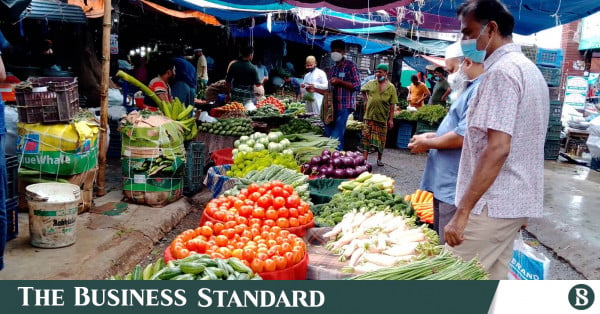
Dhaka, September 22, 2026 — The Tk 20 per litre fuel price hike announced on Sunday by the Bangladesh government has begun squeezing household budgets, with consumers across Dhaka's kitchen markets facing higher prices for cooking oil, garlic, vegetables, fish and eggs within a day. Traders said higher wholesale and transport costs were already feeding into retail prices.
📊 The government increased the retail prices of diesel, octane, petrol and kerosene by Tk 20 per litre on Sunday for the second time since assuming power in February this year. The previous hike came in April. Diesel now retails at Tk 135 per litre and octane at Tk 165 per litre.
🍲 Cooking Oil, Garlic and Rice Prices Rise
At Lalbagh market, shopper Mukta Begum told The Business Standard she had hoped prices would ease after the new government took office. “Vegetables were already expensive, and now their prices are rising again. If this continues, it will become very difficult for ordinary people like us to run our households,” she said.
- 🍗 Loose soybean oil rose Tk 10 to Tk 210 per litre.
- 🍗 Palm oil increased Tk 5 to Tk 195 per litre.
- 🍜 Chinese garlic jumped Tk 20 to Tk 150 per kg.
- 🍜 Local garlic rose Tk 10 to Tk 100 per kg.
- 🍜 Gram rose from Tk 108 to Tk 120 per kg; chickpeas from Tk 90 to Tk 100.
- 🍚 Paijam rice rose Tk 100 per sack to Tk 1,400.
- 🍚 BR28 rice rose Tk 100 per sack to Tk 1,500.
Lalbagh grocery shopkeeper Helal said rice and garlic prices had jumped when he went to replenish his stock. “Paijam rice used to cost me Tk 1,300 a sack and BR28 rice Tk 1,400. Today I saw that both had increased by Tk 100 a sack. I was also surprised when I went to buy garlic in the morning. The price had jumped sharply. If prices continue to rise like this, we have no way but to sell at higher prices,” he told TBS.
🥬 Vegetable Prices Rise Within A Day
Prices of nearly all vegetables increased Tk 5–Tk 10 per kg within a day, with the steepest increases for items transported long distances to Dhaka.
- 🥞 Beans: Tk 240 → Tk 245 per kg
- 🥚 Yardlong beans: Tk 100 → Tk 105
- 🍆 Ridge gourd and snake gourd: Tk 60 → Tk 65
- 🍆 Pointed gourd and okra: Tk 70 → Tk 75
- 🥒 Cucumber: Tk 80 → Tk 85
- 🎃 Sweet pumpkin: Tk 60 → Tk 65
- 🍌 Raw bananas: Tk 40 → Tk 45 per four
- 🍛 Papaya: Tk 25 → Tk 35 per kg
- 🥔 Sponge gourd and bitter gourd: Tk 75 → Tk 85
- 🍅 Tomatoes: Tk 90 → Tk 100
- 🍆 Round eggplant: Tk 140 → Tk 145
- 🌶 Green chilli: Tk 200 → Tk 205
- 🥛 Bottle gourd: Tk 60–Tk 70 → Tk 65–Tk 75 per piece
Lalbagh vegetable seller Tarek said retailers had little control over the increases. “Our hands are tied. We buy from the wholesale market and sell at that price after keeping a small margin. When wholesale prices rise, we have to raise our prices too. We also do not want prices to increase because customers buy less when prices are high,” he told TBS.
🐣 Eggs Costlier, Meat Prices Stable
- 🥚 Eggs rose by Tk 5 to Tk 145–Tk 150 per dozen.
- 🐔 Broiler chicken: stable at Tk 190 per kg.
- 🐔 Sonali chicken: stable at Tk 310–Tk 320 per kg.
- 🐔 Hybrid chicken: stable at Tk 290–Tk 300 per kg.
- 🐔 Layer chicken: stable at Tk 350 per kg.
- 🍔 Beef: stable at Tk 800 per kg.
Meat prices remained stable till now because supply chains for broiler, beef and mutton are less transport-intensive than vegetables or fish, traders said.
🐟 Fish Prices Climb on Transport Cost
New Market fish seller Mofizul Islam said the higher fuel cost had already pushed up wholesale fish prices. “Most fish come from outside Dhaka. Wholesalers have raised prices because of the fuel price hike. As a result, prices here have increased by Tk 20–Tk 50. If transport costs rise further, prices may increase again,” he told TBS.
Egg prices rose by Tk 5 to Tk 145–Tk 150 per dozen as farm-level input costs — including chick feed and transport — adjusted upward.
💰 The Fuel Price Hike Backdrop
The fuel price hike was announced by the Ministry of Power, Energy and Mineral Resources on Sunday, citing soaring global energy prices and higher shipping costs due to the West Asia conflict triggered by US-Israeli attacks on Iran earlier this year. Bangladesh imports nearly all of its crude oil and refined petroleum products, making domestic fuel prices highly sensitive to global supply disruptions.
State Minister for Power, Energy and Mineral Resources Amitabh Chakma said the adjustment was “unavoidable” given the global price spike and was also intended to prevent smuggling of subsidised fuel to neighbouring countries. He promised that fuel prices would be cut once global markets stabilised — a commitment reiterated separately by another state minister for energy.
💼 Wider Economic Implications
The kitchen market price surge will feed directly into Bangladesh's consumer price index, with vegetables and cooking oil carrying significant weight in the CPI basket. Inflation had already been elevated at around 9 per cent before the fuel hike, and analysts at the Centre for Policy Dialogue (CPD) and Policy Research Institute (PRI) warned that the second-round effects could push headline inflation back into double digits in October.
For the export economy, the fuel price hike carries indirect but important costs. The RMG sector — Bangladesh's largest export earner — depends on a low-wage workforce whose real wages are already under pressure. A sustained rise in food prices risks renewed pressure for minimum wage revision, which would feed back into the sector's already thin margins.
For the Federation of Bangladesh Chambers of Commerce and Industry (FBCCI) and the country's leading trade bodies, the immediate concern is whether the inflation shock will be transient or sustained. The government's decision to keep meat prices stable through the existing supply chain suggests that the worst of the price pass-through may be concentrated in transport-intensive vegetables, fish and imported commodities — but the picture is fluid.
Bangladesh's CPI data for September is expected to be released by BBS in early October.
This news was originally published by The Business Standard. For the full original report, please visit: https://www.tbsnews.net/economy/bazaar/loose-soybean-oil-garlic-and-vegetable-prices-surge-after-fuel-price-hike-1550261
📬 Get Bangladesh Trade News in your inbox
Weekly digest of export industry news, policy updates, and market analysis.
📰 Related Stories



✍️ More from System Administrator