Bangladesh Fertiliser Stocks Ample Despite Artificial Crisis: Agriculture Minister
Agriculture minister warns groups attempting to create artificial fertiliser shortage as stocks remain sufficient
Our Correspondent, Munshiganj
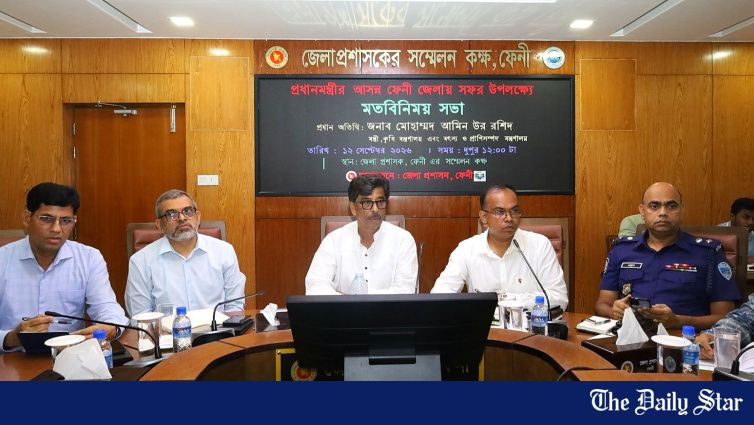
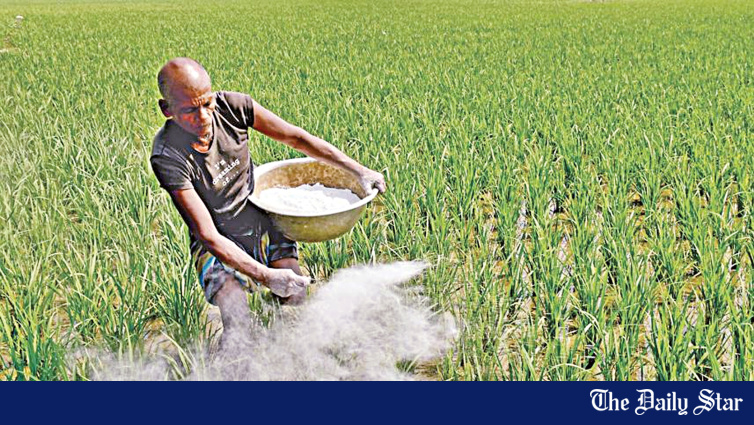
Bangladesh's fertiliser stocks are currently far higher than market demand, yet a vested group is actively attempting to manufacture an artificial crisis in the supply chain, Agriculture Minister Mohammad Amin Ur Rashid said on 26 August 2026, assuring farmers that the government has the situation firmly under control.
Speaking as the chief guest at the closing ceremony of a two-day training session in Gazaria, Munshiganj, the minister delivered a blunt message to those he accused of engineering the shortage. "Our warehouses are well-stocked, and they will not succeed because our integrity is intact. This government is a government of the farmers," he told the gathering, in comments that signal the interim administration's intent to crack down on hoarding and price manipulation ahead of the upcoming planting season.
The training event was organised by the Upazila Livestock Office and the Veterinary Hospital under the Integrated Livestock Development Project in Riverine Char Areas — a programme covering Manikganj, Dhaka, Munshiganj, Rajbari, Faridpur, Madaripur and Shariatpur districts. The project is designed to strengthen livelihoods in char areas, where farmers and smallholders have long struggled with limited access to extension services, credit, and reliable markets.
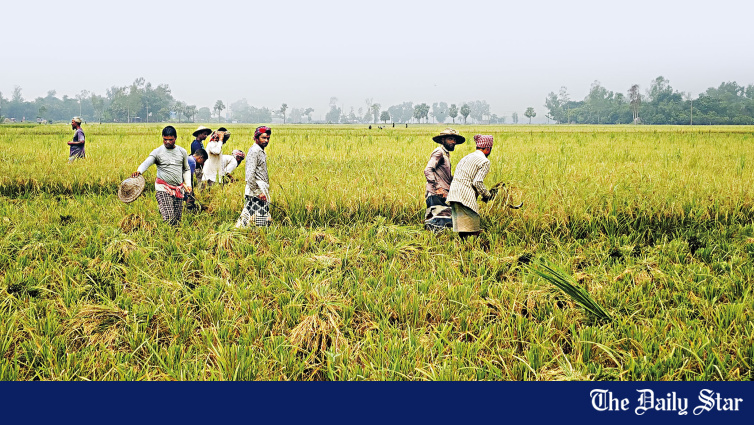
Amin Ur Rashid, who has overseen the agriculture portfolio during a politically turbulent period, used the platform to underline the centrality of the farming community to the national economy. He noted that roughly 75 percent of the country's people are involved in agriculture in some form, and argued that strengthening their economic condition would directly translate into strengthening the broader national economy. Ensuring fair prices for farmers' produce, he stressed, remains the government's primary goal — a recurring theme of his public remarks since taking office.
On the fertiliser situation specifically, the minister said records would eventually track the precise area of land cultivated with crops such as potatoes, alongside each farmer's specific fertiliser requirements. The government's "Farmer Card" initiative, currently being rolled out across districts, is the principal vehicle for this data drive. By capturing granular information on cultivation patterns and input needs, the system would allow policymakers to plan procurement and distribution well ahead of each harvest, reducing the lag that has historically allowed middlemen to exploit supply gaps.
"While this will take some time, all farmers' issues can be resolved through this card," the minister said, acknowledging that the digital infrastructure would not deliver results overnight but expressing confidence in its long-term transformative potential. The card is expected to link land records, input subsidies, crop insurance and procurement support into a single identity for each farmer.
Beyond fertiliser, Amin Ur Rashid turned to the question of post-harvest losses — a persistent drag on rural incomes in Bangladesh, where inadequate cold chain infrastructure forces farmers to sell perishable produce at fire-sale prices during peak harvest. He said the government would seek to upgrade mini cold storage facilities across producing regions to help farmers secure better prices for perishable crops and extend the shelf life of their harvest.
Citing specific examples, the minister said tomatoes could be stored in such facilities for one and a half to two months, while carrots could be preserved for three to four months. The economics are stark: during peak season, carrots sell for as little as Tk 3-4 per kilogramme at the farm gate, compared with up to Tk 100 per kilogramme during the off-season — a 25-fold price gap that currently accrues almost entirely to traders and importers rather than to growers.
The minister was unflinching about the irony of Bangladesh, an agricultural economy, having to import vegetables it could produce domestically. "Currently, carrots have to be imported. Crops grow year-round in Bangladesh. Bangladesh ought to export agricultural products, so having to import them is a matter of shame for me as a minister," he said — a remark that drew attention to the structural disconnect between Bangladesh's production capacity and its cold-chain and storage infrastructure.
The comments come at a sensitive moment for the fertiliser sector. Farmers and rural cooperatives have, in recent weeks, reported intermittent shortages of urea, DAP and MOP at the upazila level, prompting concern that the upcoming Aman and Rabi seasons could see disruptions. The minister's framing of the problem as an "artificial crisis" rather than a genuine supply shortfall suggests the government believes the bottleneck lies in distribution manipulation rather than in availability — a stance that points towards enforcement action against errant dealers rather than emergency imports.
Munshiganj District Commissioner Syeda Nurmahal Ashrafi chaired the programme, which brought together a cross-section of local and sectoral officials. Munshiganj-3 MP Md Kamruzzaman Ratan attended as a special guest, alongside Fisheries and Livestock Ministry Secretary Md Delwar Hossain, Department of Livestock Services Director General Md Shahjaman Khan, Department of Fisheries Director General Dr Md Khaled Kanak, Department of Agricultural Extension Additional Director Golam Mostafa Khan, and Project Director Dr Abdur Rahim. The presence of senior officials from three line ministries — agriculture, fisheries and livestock — underscored the cross-sectoral ambition of the Integrated Livestock Development Project in Riverine Char Areas.
For farmers in the char areas of Munshiganj and neighbouring districts, the minister's assurances on fertiliser supply and cold storage will be measured against the realities of the upcoming planting season. The rollout of the Farmer Card, and the government's ability to translate digitised cultivation data into proactive procurement planning, will determine whether the "artificial crisis" rhetoric translates into stable prices at the farm gate — or whether another season of mismatched supply and demand awaits.
This news was originally published by The Daily Star. For the full original report, please visit: https://www.thedailystar.net/business/agriculture/news/fertiliser-stocks-ample-group-trying-create-artificial-crisis-agriculture-minister-4257396
📬 Get Bangladesh Trade News in your inbox
Weekly digest of export industry news, policy updates, and market analysis.
📰 Related Stories