Bangladesh Current Account Deficit Hits $1.6B as Import Bills Surge 10.5% in FY26

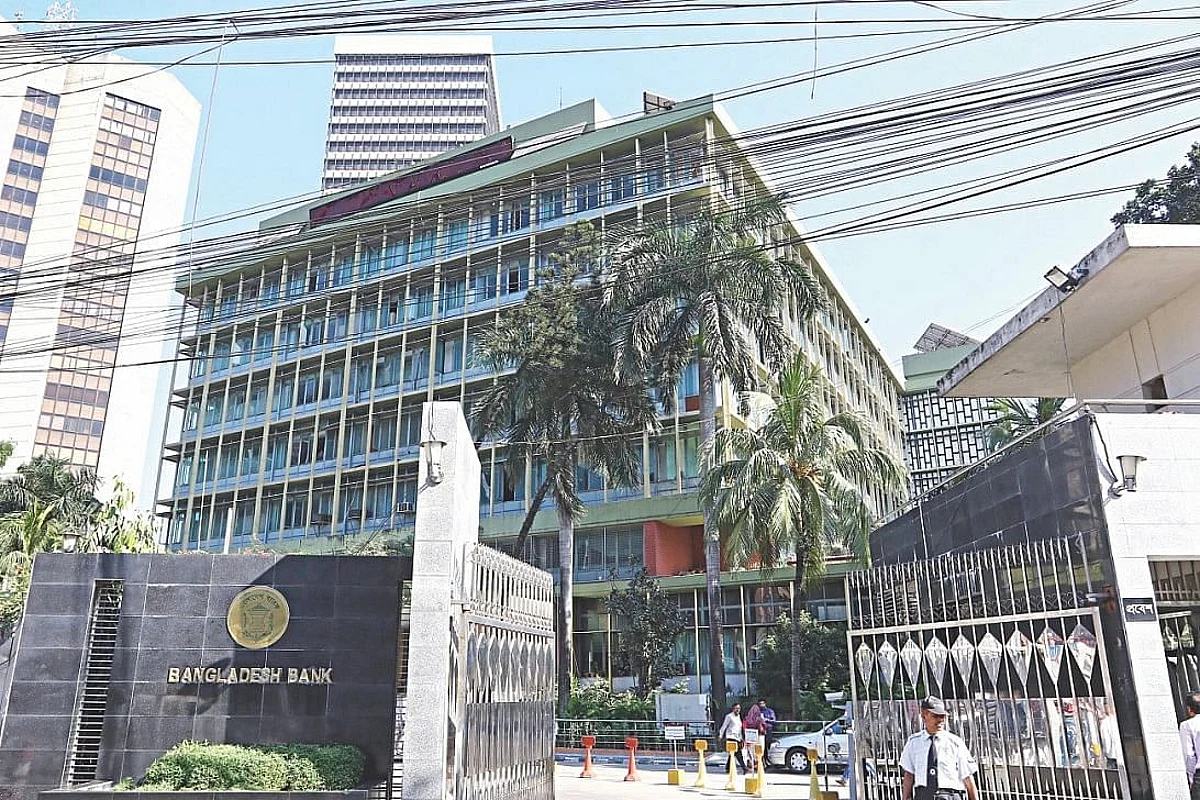
Dhaka, August 10, 2026 — Strong remittance growth was not enough to offset a rising import bill, pushing Bangladesh's current account balance deeper into the red at nearly $1.6 billion for FY2025-26 — a sharp deterioration from just $138 million in the previous fiscal year, according to Bangladesh Bank data released on August 9.
📊 The Numbers
- 📉 Current account deficit (FY26): $1.59 billion (vs $138 million in FY25)
- 📈 Imports (FOB): $71.1 billion (+10.5% YoY)
- 📈 Imports (CIF): $75.24 billion (+10.1% YoY)
- 📉 Exports: $43.86 billion (−1% YoY from $43.96 billion)
- 📉 Trade deficit: $27.28 billion (up from $20.40 billion in FY25)
- 📈 Remittances: $35.59 billion (+17.3% YoY)
- 📈 Overall balance of payments: $6.60 billion (up from $3.39 billion)
- 📈 Financial account surplus: $7.89 billion (vs deficit of $3.59 billion in FY25)
💰 Import Surge Drives the Deficit
Central bank data showed imports on a free-on-board (FOB) basis rose 10.5 percent to over $71.1 billion, up from $64.36 billion a year earlier. On a cost, insurance and freight (CIF) basis, total import payments expanded by 10.1 percent to $75.24 billion. Although workers' remittances grew 17.3 percent to reach $35.59 billion, the record inflows failed to fully absorb the widening trade deficit, which ballooned past $27 billion.
Exports declined by about 1 percent to $43.86 billion in FY26 from $43.96 billion a year earlier. The combination of rising imports and falling exports pushed the trade deficit to $27.28 billion, up from $20.40 billion in FY25 — a deterioration of nearly $7 billion in a single fiscal year.
💬 Expert Analysis: Ahsan H Mansur
Ahsan H Mansur, former governor of the central bank, said the current account position had deteriorated after remaining comparatively healthy until May. "The position of the current account balance has deteriorated, which was comparatively healthy till May. A rising current account deficit reflects a trade deficit, with imports rising and exports declining. The widening of the current account has created discomfort in the balance of payments," he said.
He also raised concerns about the recent slowdown in remittance inflows: "Remittance inflows were below $3 billion in the last two months, which is concerning for the dollar market as well. Bangladesh Bank should relax the exchange rate and should not cap the rate. After Eid-ul-Adha, the country has not witnessed remittances above $3 billion, and the greenback would have come through informal channels."
💸 Financial Account Improves Substantially
Despite the deterioration in the current account, the financial account improved substantially in FY26. The financial account recorded a surplus of $7.89 billion in FY26, compared with a deficit of $3.59 billion in FY25 — a swing of more than $11 billion. Trade credit, an important component of the financial account, also swung into positive territory at $3.09 billion, compared with a negative $3.14 billion a year earlier.
"Trade financing has improved the financial account as it reached a positive $3 billion, which was negative in the previous fiscal year," Mansur said. "On the other hand, the financial account has improved for both reserves and inflow of remittances."
The overall balance of payments reached $6.60 billion in FY26, compared with $3.39 billion in the previous fiscal year — meaning that despite the current account deterioration, the overall external position actually strengthened thanks to the financial account improvement.
🌏 Implications for Bangladesh
The data reveals a paradox: Bangladesh's external position is improving overall (BoP surplus up), but the real economy (trade) is weakening (imports surging, exports falling). This suggests that the country is financing its growing trade deficit through capital inflows and trade credit rather than through export earnings — a pattern that is sustainable in the short term but risky in the long term if capital inflows reverse.
For the export economy, the 1 percent decline in exports confirms the challenges facing the RMG sector — including the gas crisis, weak Christmas shipment demand, and the 5.75 percent decline in RMG exports to the US market. The government's Tk 60,000 crore credit stimulus and the policy rate cut to 9.5 percent are designed to address these challenges, but the FY26 data suggests the recovery will need to be sustained over multiple quarters to reverse the trade deficit trend.
✅ What to Watch
Three indicators will determine whether FY27 brings improvement: (i) whether remittance inflows recover above $3 billion per month; (ii) whether the gas supply recovery translates into higher factory utilization and export growth; and (iii) whether the import surge moderates as domestic production recovers. The central bank's decision on exchange rate flexibility — as recommended by Mansur — will also be critical in determining whether the informal channel dollar flow returns to the formal banking system.
This news was originally published by The Business Standard. For the full original report, please visit: https://www.tbsnews.net/economy/current-account-deficit-hits-16b-import-bills-surge-1510811
📬 Get Bangladesh Trade News in your inbox
Weekly digest of export industry news, policy updates, and market analysis.
📰 Related Stories



✍️ More from System Administrator