Bangladesh Bank Issues Letters Of Intent To Five Digital Banks: bKash, Banglalink, Robi Among Approved Entities
Bangladesh Bank board approves five digital banks: DK Digital Bank (Bhutan's DK Bank), bKash Digital Bank, Nova Digital Bank (Banglalink), Boost Digital Bank (Robi Axiata), and Kori Digital Bank (Habibullah N Karim). Each requires Tk 300 crore paid-up capital.
Dhaka, September 25, 2026 — Bangladesh Bank (BB) today issued letters of intent (LoIs) to five proposed digital banks, allowing them to begin preparations for launching fully online banking operations. The approval came at a meeting of the central bank's board of directors, chaired by Governor Md Mostaqur Rahman.
🏦 The approval marks a major milestone in Bangladesh's banking sector modernisation — bringing digital-only banks closer to operational launch after more than three years of regulatory preparation.
💼 The Five Approved Digital Banks
The five entities receiving Letters of Intent are:
- 🇧🇹 DK Digital Bank Ltd — backed by Bhutan's DK Bank (a notable cross-border entry).
- 📱 bKash Digital Bank — promoted by bKash, Bangladesh's largest mobile financial services (MFS) provider with over 70 million registered users.
- 📱 Nova Digital Bank — a venture of Banglalink, Bangladesh's third-largest mobile operator.
- 📱 Boost Digital Bank — promoted by Robi Axiata, Bangladesh's second-largest mobile operator.
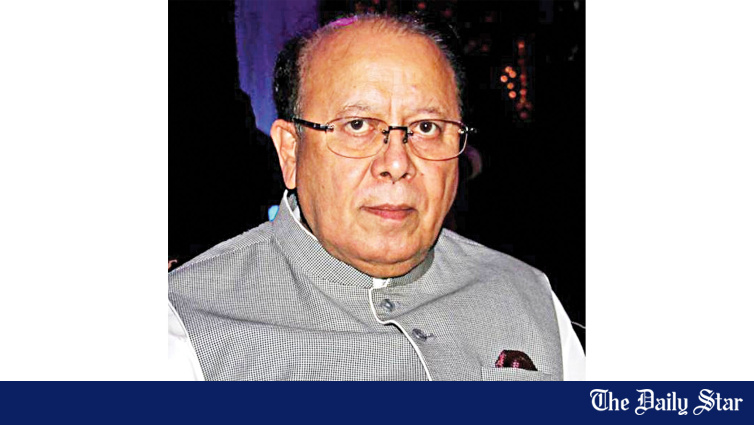
- 💼 Kori Digital Bank — founded by Habibullah N Karim, who is also the CEO of Technohaven.
💬 BB Spokesperson's Confirmation
Arief Hossain Khan, spokesperson for Bangladesh Bank, confirmed the development to The Daily Star.
A letter of intent is not a final licence. It sets the terms and conditions an applicant must meet, such as building its infrastructure, before it can start operations. The LoI stage typically requires:
- 💻 Building technology infrastructure — core banking system, mobile apps, cybersecurity.
- 💻 Corporate governance arrangements — board composition, risk management, audit.
- 💻 Compliance framework — AML/CFT, KYC, customer protection.
- 💻 Capital arrangement — minimum paid-up capital.
💰 Tk 300 Crore Minimum Capital Requirement
Under a BB policy issued on June 14, 2023, each digital bank must have at least Tk 300 crore in paid-up capital. This requirement ensures that digital banks have sufficient capital base to absorb initial losses and maintain financial stability during their early years of operation.
💻 What Is A Digital Bank?
Digital banks conduct all banking activities online through a website or mobile app, and each has only a headquarters, with no branches. Globally, digital banks have disrupted traditional banking by offering:
- 💻 Lower operating costs — no branch network overhead.
- 💻 Higher deposit rates — passed on to customers from cost savings.
- 💻 Lower lending rates — through more efficient credit assessment.
- 💻 24/7 service availability — through mobile apps.
- 💻 Greater financial inclusion — reaching unbanked populations in remote areas.
📜 Historical Context: The LoI Timeline
- 📅 October 2023 (Round 1): The central bank granted LoIs to Nagad Digital Bank and Kori Digital Bank after 52 companies had applied. Nagad's licensing was later put under review.
- 📅 September-November 2025 (Round 2): A second round drew applications from 12 entities, submitted by the November 2, 2025 deadline. Applicants included:
- 📱 Mobile financial service providers
- 📱 Telecom operators
- 🏦 Commercial banks
- 🏢 Large conglomerates
- 🌏 Several had foreign partners
- 📅 September 24, 2026: BB board approves LoIs for five entities — including Kori Digital Bank (re-approval after the initial LoI).
🌏 BB's Strategic Aim
The central bank says its aim is to:
- 👥 Deliver affordable banking to small entrepreneurs and underserved communities.
- 💲 Support a cashless society — reducing reliance on physical cash transactions.
- 💲 Increase financial inclusion — particularly in rural areas where traditional bank branches are sparse.
- 💲 Promote digital payment adoption — building on Bangladesh's MFS ecosystem.
📱 Why Telecom-MFS Combinations Are Strategic
Three of the five approved digital banks have telecom or MFS sponsors — bKash, Banglalink, and Robi. This is strategically significant because:
- 📱 Existing customer base — telecom operators have millions of existing customers who can be cross-sold banking services.
- 📱 Distribution network — MFS providers like bKash have extensive agent networks that can support cash-in/cash-out services for digital banks.
- 📱 Data analytics capability — telecom operators have rich customer data that can support credit assessment and product design.
- 📱 Digital infrastructure — existing app ecosystems, payment gateways, and customer service platforms.
🏢 Bangladesh's Banking Sector Context
Bangladesh's banking sector currently comprises:
- 🏦 61 scheduled banks — including 6 state-owned commercial banks, 3 state-owned specialised banks, 42 private commercial banks, and 10 foreign banks.
- 🏦 35 non-bank financial institutions (NBFIs)
- 🏦 ~11,000 bank branches across the country
- 🏦 Over 100 million MFS users
The addition of five digital banks will not significantly increase the total number of banking entities, but it will introduce a new competitive dynamic — particularly in retail banking, where traditional banks have been slow to digitise.
💼 Implications For Traditional Banks
The entry of digital banks — particularly those backed by bKash, Robi, and Banglalink — is expected to intensify competition in several areas:
- 💰 Retail deposits — digital banks are likely to offer higher deposit rates to attract customers.
- 💰 Small-ticket lending — using alternative data for credit assessment.
- 💰 Payment services — integrating with MFS and card networks.
- 💰 Remittance services — leveraging digital channels for inward remittance distribution.
- 💰 Microfinance-adjacent services — reaching underserved customer segments.
Traditional banks will need to accelerate their own digital transformation to remain competitive — particularly in retail banking, where customer experience has often lagged behind digital-native alternatives.
🏛 Regulatory Framework
Bangladesh Bank has been developing the regulatory framework for digital banks since 2023. Key elements include:
- 📜 Minimum capital requirements — Tk 300 crore paid-up capital.
- 📜 Capital adequacy ratio — digital banks must maintain the same CAR as traditional banks.
- 📜 Liquidity requirements — including liquidity coverage ratio (LCR) and net stable funding ratio (NSFR).
- 📜 Cybersecurity standards — enhanced requirements given the digital-only nature of operations.
- 📜 Customer protection — specific rules for digital onboarding, complaint handling, and dispute resolution.
📜 What Happens Next?
After receiving the letters of intent, the five digital banks will need to:
- 📝 Complete remaining formalities — including final capital arrangements and corporate governance structures.
- 📝 Obtain final banking licences — from Bangladesh Bank after satisfying all regulatory requirements.
- 📝 Build technology infrastructure — including mobile apps, core banking systems, and cybersecurity frameworks.
- 📝 Hire and train staff — particularly in technology, risk management, and compliance functions.
- 📝 Launch customer acquisition — through digital marketing and partnerships with their telecom/MFS parent companies.
Industry observers expect the five digital banks to commence operations within the next 6-12 months, with some launching as early as Q1 2027.
🌏 International Context
Bangladesh's entry into digital banking comes relatively late compared to regional peers:
- 🇵🇭 Philippines — has multiple digital banks including Maya Bank, GoTyme, and UnionDigital.
- 🇵🇰 Pakistan — has launched several digital banks including Mobilink Microfinance Bank and Nayapay.
- 🇮🇳 India — has digital banks and payment banks including Paytm Payments Bank, Airtel Payments Bank, and India Post Payments Bank.
- 🇹🇭 Thailand — has Lightnet and other digital banking initiatives.
Bangladesh's digital banking initiative draws on lessons from these international experiences — particularly the importance of strong cybersecurity, customer protection, and sustainable business models.
💼 Wider Economic Implications
For Bangladesh's broader economy, the entry of digital banks has the potential to:
- 💰 Deepen financial inclusion — reaching underserved rural populations.
- 💰 Reduce the cost of financial services — through digital efficiency.
- 💰 Support SME lending — using alternative data for credit assessment.
- 💰 Improve remittance distribution — particularly for the US$8 billion annual remittance inflow.
- 💰 Stimulate fintech ecosystem — creating opportunities for technology vendors and startups.
The approval of these five digital banks is therefore a significant development for Bangladesh's financial sector — and one that will be closely watched by traditional banks, fintech players, and the broader investment community in the coming months.
This news was originally published by The Daily Star. For the full original report, please visit: https://www.thedailystar.net/business/news/five-digital-banks-get-initial-nod-bangladesh-bank-4282006
📬 Get Bangladesh Trade News in your inbox
Weekly digest of export industry news, policy updates, and market analysis.
📰 Related Stories


✍️ More from System Administrator