Bangladesh Bank Modernises Import Rules with Electronic Transferable Records
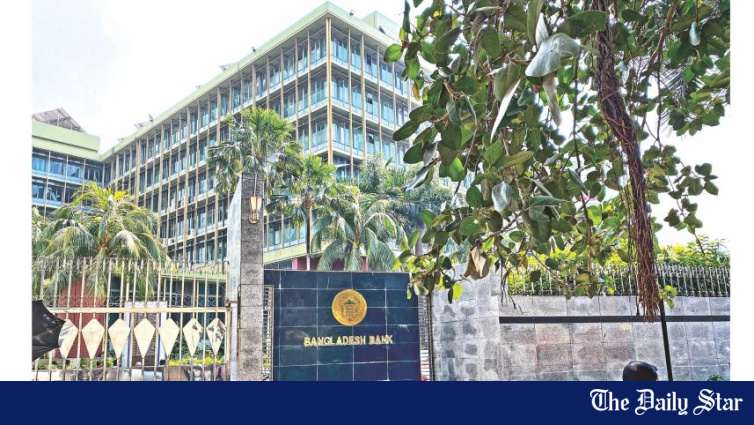
Dhaka, August 13, 2026 — The Bangladesh Bank has introduced provisions for digital trade documents and alternative finance mechanisms such as factoring, marking a decisive shift away from the economy's traditional reliance on paper-based Letters of Credit (LCs). The reform — packaged in a consolidated circular issued yesterday — incorporates Electronic Transferable Records (ETRs), digital signatures, and a comprehensive framework for modernising import trade procedures.
💻 The Digital Transformation: ETRs Explained
At the heart of the reform is the introduction of Electronic Transferable Records (ETRs) — the digital equivalent of paper-based transferable documents or instruments such as bills of lading, promissory notes, and warehouse receipts. ETRs deliver several transformative benefits:
- 💻 Digital format — replaces paper bills of lading with cryptographically secure electronic records
- ✅ Legal functional equivalence — ETRs carry the same legal weight as their paper counterparts
- 🔐 Digital signatures — cryptographic authentication ensures document integrity
- ⏳ Instant transfer — documents can be transferred across continents in seconds
- 💰 Reduced costs — eliminates courier fees, document handling, and storage
- 🚧 Lower fraud risk — cryptographic verification prevents document forgery
The move aims to achieve legal functional equivalence between paper-based and electronic documents — a critical step toward integrating Bangladesh's trade finance system with global digital trade standards such as the UNCITRAL Model Law on Electronic Transferable Records (MLETR).
📜 Comprehensive Framework Coverage
The consolidated circular covers a wide range of import-related matters, providing a single authoritative reference for the trading community:
- 📦 Import trade procedures — standardised processes for import documentation
- 💻 Online reporting — digital submission of import-related reports to BB
- 💰 Approved payment methods — updated list of permissible payment instruments
- 💸 Advance remittances — rules for advance payments against imports
- 📜 Bill of entry submissions — streamlined customs documentation process
- 🤝 Supplier's and buyer's credit — trade finance instruments updated
- ⏳ Payment behaviour — guidelines for timely settlement of import obligations
- 🔄 Back-to-back LCs — rules for export-oriented import financing
The framework also includes updated provisions on retention of export proceeds for import payments, inland LCs in foreign currencies, and imports conducted through specialised and free trade zones — ensuring comprehensive coverage across all import pathways.
🏛️ Specialised Categories Integrated
In a notable consolidation, the circular integrates regulations for previously siloed import categories:
- 💰 Gold and silver imports — previously governed by separate circulars
- 💍 Jewellery imports — unified framework for precious metals and stones
- 💵 Foreign currency notes — rules for physical currency imports
- 🏭 Specialised and free trade zones — EPZ and SEZ import procedures
The integration eliminates a long-standing fragmentation in Bangladesh's import regulatory architecture — reducing compliance complexity for businesses engaged in multiple import categories.
📅 Validity and Implementation Timeline
The central bank stated that the new instructions will remain valid for one year from August 13, 2026. A senior BB official indicated that any new instructions issued during this period will be read in conjunction with the circular — ensuring continuity while preserving flexibility for future adjustments.
The one-year validity period is a deliberate design choice. It allows Bangladesh Bank to:
- 🔍 Test the framework — identify implementation pain points in real-world use
- 👥 Build bank capacity — train staff on ETR processing and digital documentation
- 💻 Upgrade IT systems — banks need to invest in digital infrastructure
- 🤝 Engage stakeholders — importer feedback loop for refinements
- 🌐 Align with international standards — especially MLETR compliance
💼 Factoring and Alternative Finance: A New Frontier
Beyond digital documentation, the circular introduces alternative finance mechanisms such as factoring — a significant addition to Bangladesh's trade finance toolkit. Factoring allows businesses to sell their accounts receivable to a financial institution (the factor) at a discount, in exchange for immediate cash. This benefits:
- 🏭 SME exporters — who often struggle with long buyer payment cycles
- 🌾 Agro-processors — who need working capital for seasonal inventory
- 🧵 RMG subcontractors — who wait 60-120 days for buyer payments
- 💰 Cash flow management — immediate liquidity without new debt
- 🚧 Reduced NPL risk — factor assumes buyer credit risk
The introduction of factoring aligns Bangladesh with global trade finance practice — bringing the country closer to the comprehensive trade finance ecosystems found in Singapore, Hong Kong, and Dubai.
🌐 Strategic Context: Bangladesh's Digital Trade Journey
The ETR and digital documentation reform is part of Bangladesh's broader digital trade transformation, which includes:
- 💻 ASYCUDA World — automated customs clearance system already operational
- 📱 Single-window clearance — for import-export documentation
- 🌐 National Single Window — under development to integrate all trade-related agencies
- 💵 Bangla QR — domestic digital payment system expanding to P2P
- 📊 BB data modernisation — real-time FX and trade reporting
For an export economy preparing for LDC graduation in November 2026 and seeking to defend $45+ billion in annual shipments, digital trade documentation is not merely a procedural upgrade — it is a strategic competitiveness lever. ETRs can compress trade finance processing times from days to hours, reduce transaction costs by an estimated 30-50 percent, and integrate Bangladesh more deeply into global digital supply chains.
The reform also positions Bangladesh favourably for future trade agreement negotiations, particularly with the EU, Japan, and South Korea — all of which have already implemented MLETR-compatible frameworks. By aligning with international digital trade standards, Bangladesh strengthens its case as a modern, efficient, and compliant trading partner — a critical asset in the post-LDC era.
This news was originally published by The Daily Star. For the full original report, please visit: https://www.thedailystar.net/business/economy/news/import-rules-modernised-digital-documents-4247221
Related on BangladeshExport
📬 Get Bangladesh Trade News in your inbox
Weekly digest of export industry news, policy updates, and market analysis.
📰 Related Stories