Bangladesh Bank Launches Money-Laundering Probe Against 42 Loan Defaulters: 8 Foreign Firms Hired

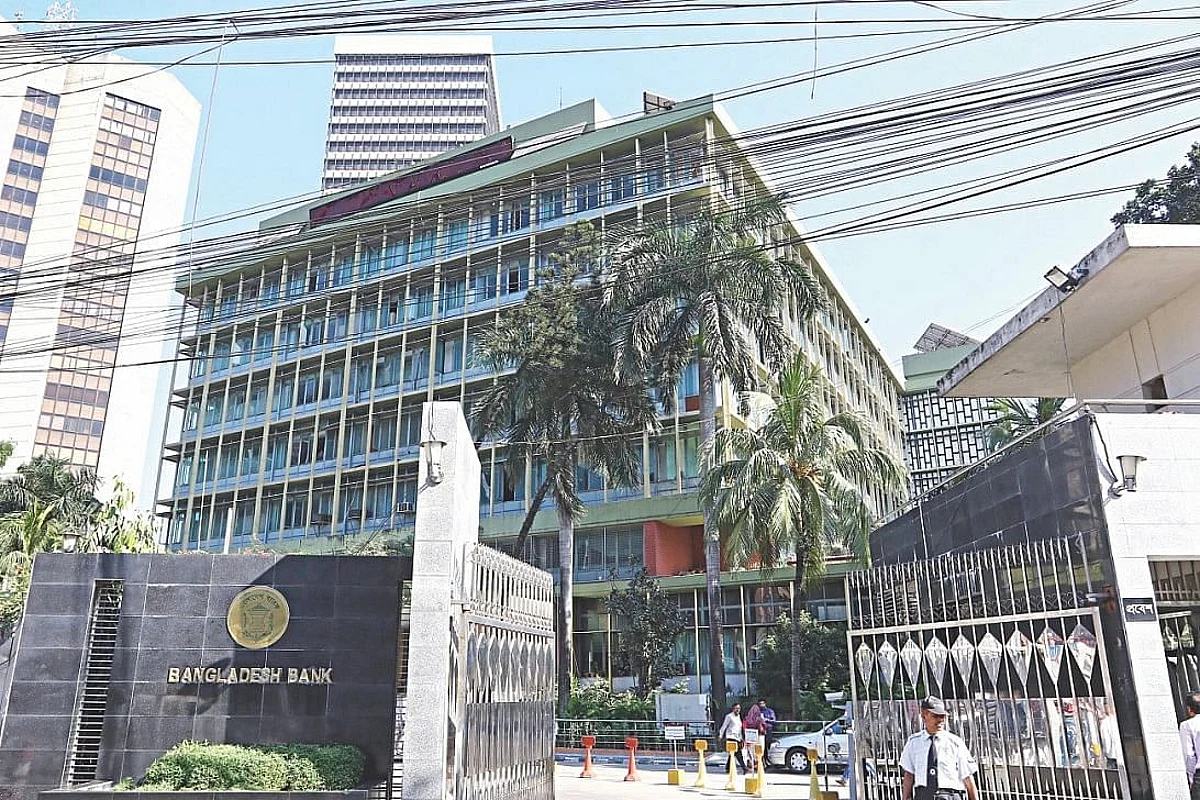
Dhaka, August 9, 2026 — Bangladesh Bank has launched investigations into alleged money laundering by 42 companies that have defaulted on bank loans worth more than Tk 2 billion each — hiring eight international firms on a "no win, no pay" basis to trace, seize, and recover overseas assets hidden across 12 countries in what ranks as the country's most aggressive cross-border asset recovery effort to date.
🔍 The Investigation
At a meeting on August 9, Governor Md Mostaqur Rahman told representatives of 38 banks to engage the eight selected international firms, which will work to have the allegedly laundered funds frozen in the countries where they are believed to be held and bring them back to Bangladesh. The meeting was held with the Bangladesh Financial Intelligence Unit (BFIU) in the presence of the central bank governor, where the 42 companies were identified.
"Forty-two companies will be investigated. Each has defaulted on more than Tk 2 billion, and there are allegations of money laundering against them," central bank spokesman and Executive Director Arief Hossain Khan told bdnews24.com.
🌏 The Eight International Firms
The eight firms selected by Bangladesh Bank are a mix of global law firms, forensic accounting specialists, and asset recovery experts:
- 🌐 Grant Thornton
- 🌐 RI Consortium
- 🌐 Baker McKenzie and PwC
- 🌐 BCG and HHR
- 🌐 EY and Dentons
- 🌐 Rahman Ravelli and Interpath
- 🌐 DLA Piper and Kroll
- 🌐 Animus Associates
💰 "No Win, No Pay" Basis
The foreign law firms will not charge any upfront fees or expenses. Instead, they will receive a fixed portion of the recovered funds as remuneration if they successfully identify and recover overseas assets. "The firms will therefore work on a 'no win, no pay' basis," said Arief Hossain Khan. Banks will be barred from making any other financial transactions with them outside the recovery agreement.
This contingent-fee model is significant because it eliminates the financial risk for the banks and the central bank — if the firms don't recover anything, they don't get paid. It also aligns the firms' incentives with the recovery outcome, motivating them to aggressively pursue assets rather than billing hours regardless of results.
📍 12 Countries Where Assets Are Believed Hidden
The countries where the laundered money or assets are initially believed to be located include:
- 🇺🇸 United States
- 🇬🇧 United Kingdom
- 🇦🇪 United Arab Emirates
- 🇨🇦 Canada
- 🇸🇬 Singapore
- 🇧🇪 Belgium
- 🇳🇿 New Zealand
- 🇭🇰 Hong Kong
- 🇨🇳 China
- 🇲🇾 Malaysia
- 🇹🇭 Thailand
- 🇦🇺 Australia
🔧 How the Recovery Process Works
Based on information provided by the relevant banks, the international firms will identify the location, nature, and value of overseas assets belonging to the defaulting borrowers. They will then take legal measures under the laws of the respective countries to recover the assets.
"If any assets are identified and successfully seized or attached through legal procedures, the proceeds from their subsequent sale or disposal will be brought back to Bangladesh and used to repay the dues owed to the relevant banks," Arief explained.
Bankers said the bank with the largest exposure in each case will act as lead bank and coordinate legal action and the recovery effort on behalf of others — ensuring that multiple banks with claims against the same defaulter work together rather than competing in foreign courts.
🏛️ Connection to Earlier Anti-Corruption Drive
The latest move follows an earlier initiative targeting the family of former prime minister Sheikh Hasina and 10 business groups over allegations of money laundering abroad. The Anti-Corruption Commission, Criminal Investigation Department of police, relevant Customs units, and Income Tax units are working on that initiative. The new investigation of 42 loan defaulters significantly expands the scope of the cross-border asset recovery effort beyond the initial Hasina-era targets.
📊 Context: 36% NPL Ratio and Banking Crisis
The investigation comes at a time when Bangladesh Bank Governor Md Mostaqur Rahman has disclosed that 36 percent of total loans in the banking sector are non-performing — with 17 of 61 banks having NPL ratios above 50 percent and 23 banks facing a combined capital shortfall of Tk 2.82 lakh crore. The 42 companies under investigation each have defaults exceeding Tk 2 billion, meaning their combined default exposure is at minimum Tk 84 billion (Tk 8,400 crore) — a significant chunk of the overall NPL problem.
The asset recovery effort also complements the central bank's 18-month NPL action plan and the ongoing Asset Quality Reviews by Ernst & Young and KPMG — which are assessing the true financial condition of 11 troubled banks. If the international firms successfully trace and recover overseas assets, it could provide meaningful recovery for banks that have been carrying these bad loans on their books for years.
🌏 International Cooperation and Legal Challenges
Cross-border asset recovery is notoriously complex — requiring cooperation between legal systems, mutual legal assistance treaties (MLATs), and navigation of foreign court procedures. Bangladesh has MLATs with several of the 12 target countries, but the process can take years. The selection of experienced international firms with expertise in cross-border asset tracing and recovery (such as Kroll, Grant Thornton, and DLA Piper) suggests that the central bank is prepared for a long but determined legal campaign.
The "no win, no pay" model also means that the firms will be selective about which assets to pursue — focusing on cases where recovery is most likely and most cost-effective. This pragmatic approach maximizes the chances of actual recovery rather than spreading resources thinly across all 42 cases.
✅ What Comes Next
The agreements between the 38 banks and the eight international firms will be signed after necessary preparations, according to Arief Hossain Khan. Once signed, the firms will begin their investigations — starting with asset tracing (identifying what assets exist and where), followed by legal action (freezing, seizing, or attaching assets through foreign courts), and finally repatriation (bringing the recovered funds back to Bangladesh). For a banking sector that has been battered by years of unchecked lending and capital erosion, this cross-border recovery effort represents a new frontier in the fight against financial crime — one that will test whether Bangladesh can successfully navigate international legal systems to recover assets that were stolen and hidden abroad.
This news was originally published by The Financial Express. For the full original report, please visit: https://thefinancialexpress.com.bd/economy/42-loan-defaulters-face-money-laundering-probe-over-tk-2b-debts
📬 Get Bangladesh Trade News in your inbox
Weekly digest of export industry news, policy updates, and market analysis.
📰 Related Stories


✍️ More from System Administrator