50 Lakh Bangladeshis Need Emergency Agricultural Aid: FAO Report
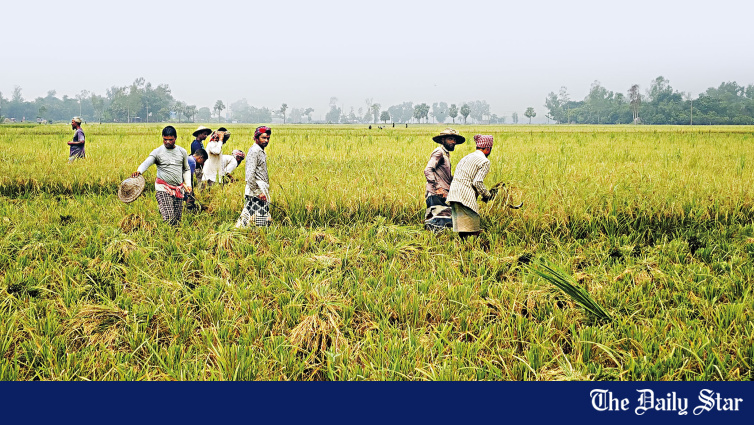
Sukanta Halder, Dhaka — Around 10 lakh agricultural households in Bangladesh, representing nearly 50 lakh people, are projected to need emergency agricultural assistance between June and November 2026, according to the recent report of the Food and Agriculture Organization (FAO) — a stark assessment that highlights the depth of distress in Bangladesh's rural agricultural sector.
The number of households requiring emergency assistance has risen by 2 lakh since November 2025, FAO said in the report styled "14th round of Monitoring Emergency Agriculture Support". For the latest round of monitoring, FAO carried out month-long telephone interviews with 6,143 households across all 64 districts of Bangladesh.
📊 Geographic Distribution of Need
The report, published on 25 August 2026, measured need in two different ways, which point to different districts:
By total number of households in need:
- 🏛 Chattogram division: most households in need (large farming population)
- 🏛 Rangpur division: second most affected
- 🏛 Dhaka division: third most affected
- 🏛 Rajshahi division: fourth most affected
By share of farming households affected:
- 🏛 Sylhet division: highest proportion affected
- 🏛 Mymensingh division: second highest proportion
- 🏛 Rangpur division: third highest proportion (also ranks high in absolute numbers)
Needs were most acute in river-system areas, Haor basins, and flash-flood hotspots, the report said, pointing to flooding and waterlogging as the monsoon season intensified.
👥 Profile of Households in Need
The households in need were disproportionately resource-poor smallholders:
- 👥 57 percent cultivated less than one hectare of land
- 👥 60 percent fell into the least well-off wealth bracket
- 👥 Heavy reliance on casual farm labour and casual off-farm labour
- 👥 Heavy reliance on low-capital self-employment
Their reliance on casual farm labour, casual off-farm labour, and low-capital self-employment further limited their ability to finance production or absorb shocks, the report said — highlighting the structural vulnerability of the smallest agricultural producers to climate and economic shocks.
📊 Shocks Affecting Households
- 📊 Economic shocks: affected around 84 percent of households in need
- 📊 Natural hazards exposure: 16 percent (up 6 percentage points from previous round)
- 📊 Purchased food on credit: 67 percent of households in need
- 📊 Reduced health expenditures: 66 percent of households in need
- 📊 Reduced spending on agricultural inputs: 30 percent of households in need
Financial pressure remained evident with 67 percent reporting that they had to purchase food on credit, 66 percent reporting reduced health expenditures, and 30 percent reporting reduced spending on agricultural inputs — coping mechanisms that protect immediate consumption but undermine longer-term agricultural productivity.
🌾 Crop Production Challenges
Crop producers faced mounting difficulties with inputs, plant health, and marketing. Compared to the FAO 13th round observations published last November:
- 🧴 Plant disease reports: rose by 30 percentage points
- 🧴 Difficulty accessing fertiliser: rose by 17 percentage points
- 🧴 Crop sales difficulties: nearly tripled, from 9 percent to 30 percent (mainly due to low selling prices)
💰 Assistance Priorities Identified
Crop inputs remained the top assistance priority, cited by 72 percent of households in need. Other priorities:
- 🧴 Crop inputs: 72 percent of households (top priority)
- 💰 Cash assistance: 57 percent (up 41 percentage points from November — sharpest rise)
- 🐄 Livestock feed: 51 percent
- 🐄 Veterinary services: 33 percent
The sharp rise in demand for cash assistance — up 41 percentage points from November observations to 57 percent — was linked by FAO to the combined effects of monsoon floods, food inflation, and falling household incomes. The report called for a seasonally timed package combining input support, cash assistance, animal healthcare, and water-management support ahead of the Aman cultivation period.
🌾 Agriculture Ministry Damage Assessment
According to an assessment by the agriculture ministry, more than 2.43 lakh farmers across 43 districts suffered losses from heavy monsoon rains between 7 and 19 July 2026. The damage figures:
- 📊 Crops damaged: more than 1.34 lakh tonnes
- 💰 Crop value lost: around Tk 478 crore
- 🌾 Farmland affected: 24,138 hectares
- 🌾 Proportion of cultivated area affected: ~3 percent (of 8.17 lakh hectares under cultivation)
🏛 Government Response
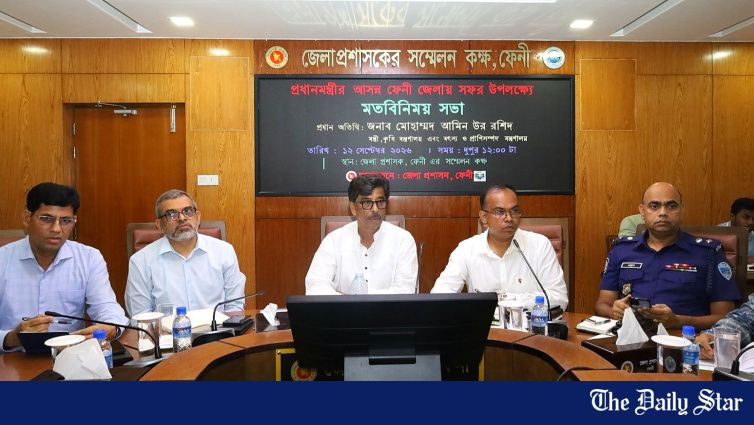
Reacting to the FAO findings, Agriculture Minister Mohammed Aminur Rashid told The Daily Star that the government is taking immediate steps to support affected farmers and strengthen the country's agricultural resilience. Key government responses:
- 🌾 Seeds, seedlings, relief materials provided to damaged seedbeds and crops
- 🌾 Alternative land for seed production allocated
- 🌾 BRRI dhan 118 introduction — early-maturing rice variety for Haor regions (10-15 days earlier harvest to avoid early flooding losses)
- 🍅 Domestic production boost for summer tomatoes and green chillies through incentives and expanded cultivation
- 🌏 International partnerships for processing and export of value-added agricultural products
🏛 CPD's Critical Assessment
Abu Saleh Md Shamim Alam Shibly, Research Fellow at the Centre for Policy Dialogue (CPD), said the FAO report is not just showing a humanitarian crisis. "It also highlights how poorly the existing agricultural subsidy and social protection systems are targeting those who need support most," he said.
"The government needs to ensure that agricultural support reaches the farmers who need it most, particularly those without secure land ownership or financial buffers," he added — a pointed critique of the existing agricultural support framework that has been criticised for inadequate targeting of the most vulnerable smallholders.
🌏 Strategic Context
The FAO assessment comes amid broader strategic concerns about Bangladesh's food security:
- 🌾 FY26 fertiliser import bill: $3.72 billion (up 42% YoY)
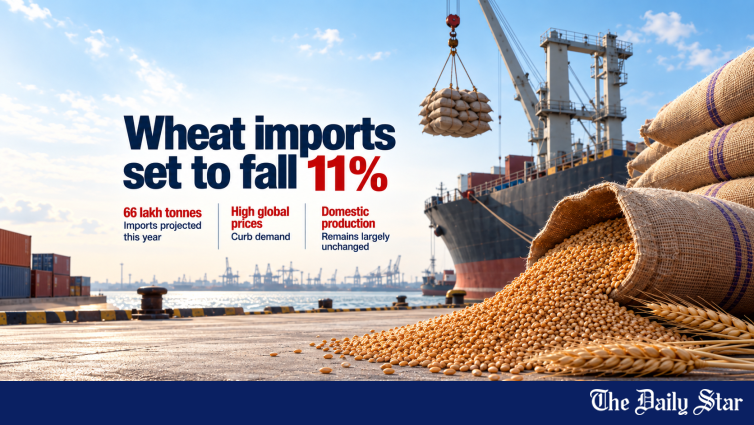
- 🌾 FY26 wheat import bill: $2.04 billion (up 26% YoY)
- 🌾 BADC 480,000 tonnes Canadian potash: government-to-government fertiliser import
- 🌾 BB Tk 10,000 crore agricultural refinance scheme at 7 percent rate
- 🌾 Tarique Rahman order to divert development budget for clean power (affecting rural electrification)
Together, these measures reflect the comprehensive challenge Bangladesh faces in maintaining agricultural production and food security amid climate shocks, elevated input costs, and broader macroeconomic pressures — with the FAO assessment providing the granular household-level data that should inform more targeted agricultural support interventions.
This news was originally published by The Daily Star. For the full original report, please visit: https://www.thedailystar.net/business/economy/news/50-lakh-people-need-emergency-agri-aid-fao-4261551
📬 Get Bangladesh Trade News in your inbox
Weekly digest of export industry news, policy updates, and market analysis.
📰 Related Stories