Textile Millers and BGMEA Press PM for Refinance and Uninterrupted Gas
BTMA sought a refinancing scheme while BGMEA demanded steady gas supply in separate meetings with the Prime Minister.
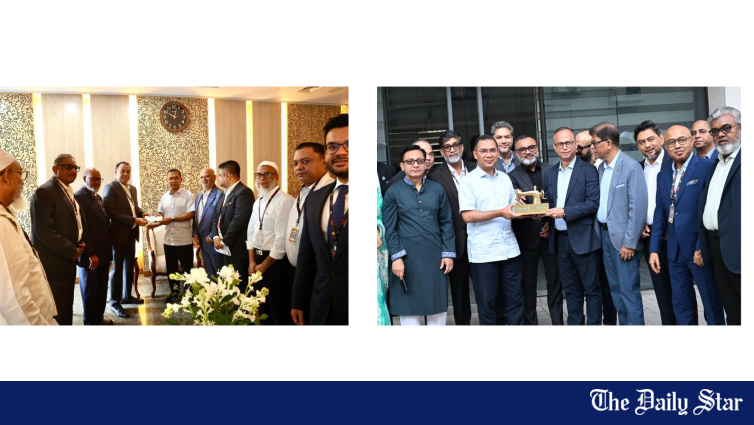
🏭 Two of Bangladesh's most influential textile and apparel bodies made separate but complementary pitches to the Prime Minister in late July 2026. The Bangladesh Textile Mills Association (BTMA) pressed for a refinancing scheme to ease working-capital stress, while the Bangladesh Garment Manufacturers and Exporters Association (BGMEA) demanded uninterrupted gas supply to protect the competitiveness of the country's flagship export sector.
What BTMA Asked For 💰
The BTMA delegation came to the meeting with a clear concern: working-capital pressure. Textile millers, who supply the backward-linkage yarn and fabric that feed the apparel sector, have been squeezed by rising input costs, elevated interest rates and uneven order flows. Their core ask was a dedicated refinancing scheme designed to:
- 💵 Lower the cost of working-capital loans for textile mills.
- 🏦 Provide longer repayment tenures aligned with the production cycle.
- 🔄 Help mills restructure existing bank exposure built up during the soft-demand phase.
- 🛡️ Stabilise the backward linkage that underpins the entire apparel export chain.
The argument is straightforward: if the textile mills — the upstream suppliers — weaken, the apparel sector loses a critical domestic input source and becomes more dependent on imported fabric, eroding both margin and lead-time competitiveness.
What BGMEA Asked For ⚡
The BGMEA, meeting the Prime Minister separately, kept its focus on the single biggest operational risk facing apparel factories: gas supply. The association has been flagging intermittent gas pressure as a binding constraint on factory output for months. Its demand for uninterrupted gas supply rests on several pillars:
- ⚙️ Capacity utilisation: Steady gas pressure allows factories to run at full capacity, protecting shipment schedules.
- 💸 Cost control: Spot LNG premiums and alternative-fuel costs erode exporter margins.
- 🌍 Buyer confidence: Energy reliability is increasingly a sourcing-decision factor for global brands.
- 📅 On-time delivery: Production delays from gas outages cascade into missed shipment windows.
The Shared Thread 🧵
Though the two delegations met separately, their asks point to the same underlying truth: Bangladesh's apparel competitiveness depends on a healthy, stable upstream textile sector backed by reliable energy. If textile mills cannot access affordable working capital, fabric supply tightens. If apparel factories cannot run on steady gas, shipments slip. Both roads lead to the same destination — weakened export performance.
The Prime Minister's response, as reported, acknowledged the interdependence and signalled a willingness to act on both fronts.
The LDC Graduation Context 🌏
Both asks land against the backdrop of LDC graduation. Post-graduation, Bangladesh will lose preferential market access, which means exporters will need to compete on cost, quality and reliability alone. In that environment:
- 🧶 A strong domestic textile sector becomes even more critical to apparel competitiveness.
- ⚡ Energy reliability becomes a non-negotiable for retaining buyer relationships.
- 💰 Affordable working capital becomes the difference between capacity expansion and stagnation.
How the Sector Is Reacting 🗣️
Industry reaction has been cautiously optimistic. Textile millers welcomed the Prime Minister's openness to a refinancing discussion, while BGMEA leaders expressed hope that the gas-supply conversation would translate into measurable improvements on the ground.
"We have had meetings before," one textile mill owner told BangladeshExport. "What we need now is a policy announcement with a date attached — when does the refinancing window open, and when does the gas pressure stabilise?"
What Comes Next ⏭️
- 📄 A formal response on the BTMA refinancing proposal is expected in the coming weeks.
- ⛽ The government's energy roadmap, including the third FSRU decision, will shape the BGMEA gas-supply outcome.
- 📊 Both associations will track factory output and shipment schedules as headline indicators.
Two meetings, two asks, one shared goal: keep the textile-apparel value chain stable enough to weather the coming transition. Whether the response matches the urgency will define the sector's trajectory through FY2027 and beyond. 🧵
This news was originally published by The Daily Star. For the full original report, please visit: https://www.thedailystar.net/business/news/textile-millers-want-refinancing-scheme-bgmea-uninterrupted-gas-4230051
📬 Get Bangladesh Trade News in your inbox
Weekly digest of export industry news, policy updates, and market analysis.
📰 Related Stories