NBR Plans Global Database For Transparency Of Import Valuation
National Board of Revenue to subscribe to internationally recognised database to resolve chronic disputes between customs officials and importers over commodity valuation
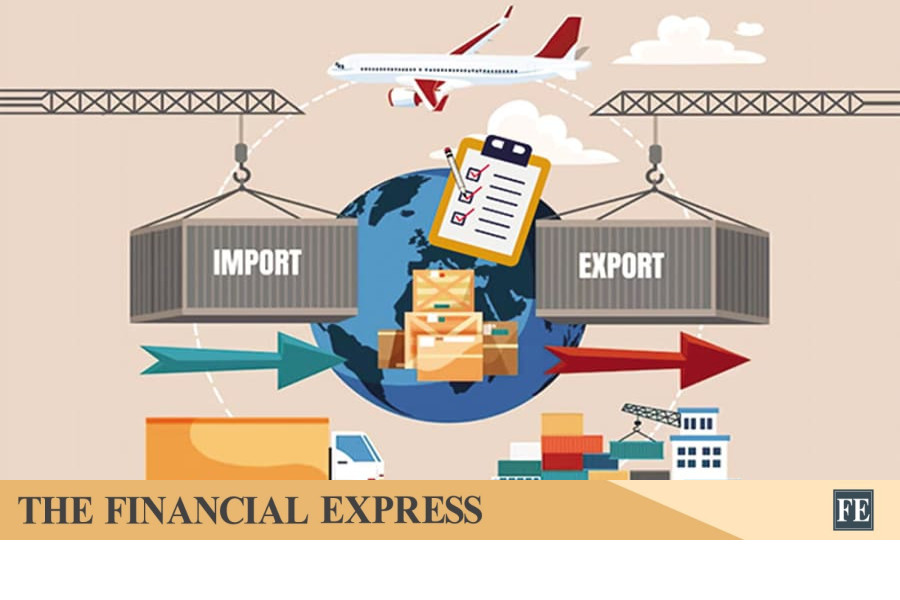
🏛 The disputes between customs officials and importers over the valuation of commodities have been endemic in Bangladesh. Here the contentious issue is not just the goods imported but the duty to be fixed on the basis of valuation of those by the customs for the importers to pay. Both overvaluation and undervaluation cause problems — overvaluation means importers pay excess duty, while undervaluation means the government loses revenue.
📊 Now the National Board of Revenue (NBR), according to a report carried in the FE, has taken an initiative to address the flawed system of valuation of imported goods. The NBR plans to subscribe to an internationally recognised database in order to avoid disputes over the present system of valuation. The subscription to a global price reference database would provide customs officials with objective, internationally benchmarked reference prices for imported commodities — reducing the scope for subjective valuation disputes.
📜 The Valuation Challenge
Sure enough, even the best of databases fail to address the controversy over imported goods. Why? It is because of the varying qualities of commodities from different sources. There can be a wide gap between the standards of same raw materials, spare parts or active ingredients and the prices too can vary accordingly. A global database provides reference prices for standardised commodity categories, but the actual transaction price for a specific shipment may differ from the reference due to quality variations, volume discounts, supplier relationships and market conditions.
- 🏛 Agency: NBR (National Board of Revenue)
- 📜 Initiative: Subscribe to international valuation database
- ⚠> Challenge: Quality variations from different sources
- 📊> Issue: Both overvaluation and undervaluation cause problems
🌏 Strategic Context: Trade Facilitation And Revenue
For Bangladesh's broader trade facilitation agenda, the NBR's initiative to adopt international valuation databases represents a meaningful step toward modernising customs procedures. Valuation disputes are one of the most common sources of friction at Bangladesh's customs stations — delaying cargo clearance, increasing transaction costs for importers and creating opportunities for corruption when subjective valuation creates discretionary power for customs officials. An objective, internationally benchmarked reference price system would reduce both the dispute volume and the discretionary power that creates corruption risks.
The revenue implications are also significant. Undervaluation — where importers declare lower prices than the actual transaction value to reduce duty payments — is estimated to cost the government thousands of crores of taka annually in foregone customs revenue. An international database would make undervaluation more difficult by providing customs officials with reference prices that expose discrepancies between declared values and international market prices.
The coming months will reveal whether the NBR's database subscription translates into faster customs clearance, reduced valuation disputes and improved revenue collection — or whether the quality variation challenge continues to undermine the effectiveness of international reference pricing in Bangladesh's import regime.
This news was originally published by The Financial Express. For the full original report, please visit: https://thefinancialexpress.com.bd/editorial/global-database-for-transparency-of-import-valuation
Related on BangladeshExport
📬 Get Bangladesh Trade News in your inbox
Weekly digest of export industry news, policy updates, and market analysis.
📰 Related Stories