Bangladesh Eyes New $4.5 Billion IMF Loan With Same Revenue Reform Conditions
NBR split, single VAT rate by 2030 and exemption cuts dominate talks as the tax-to-GDP ratio stays at 6-7 percent
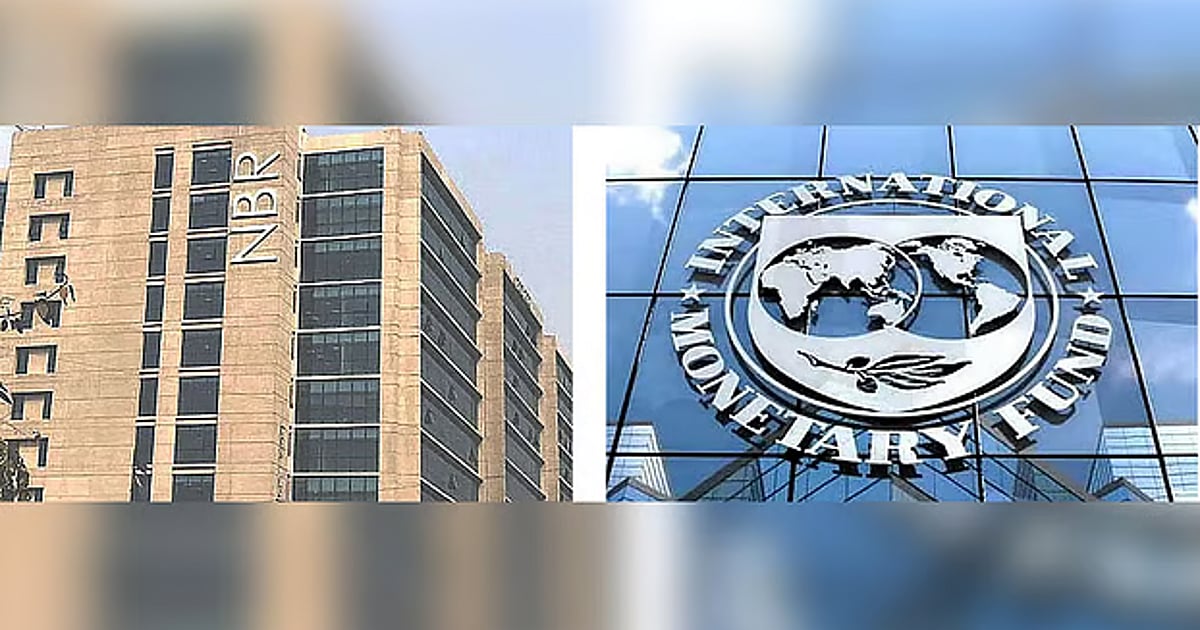
💰 Momentum has picked up in Bangladesh's revenue sector reforms as initiatives have been taken to abolish the National Board of Revenue (NBR) and create two separate divisions for revenue policy and revenue collection, alongside a single value-added tax (VAT) rate and reduced tax exemptions. These were conditions of the previous International Monetary Fund (IMF) loan programme — and they are following the country into the next one.
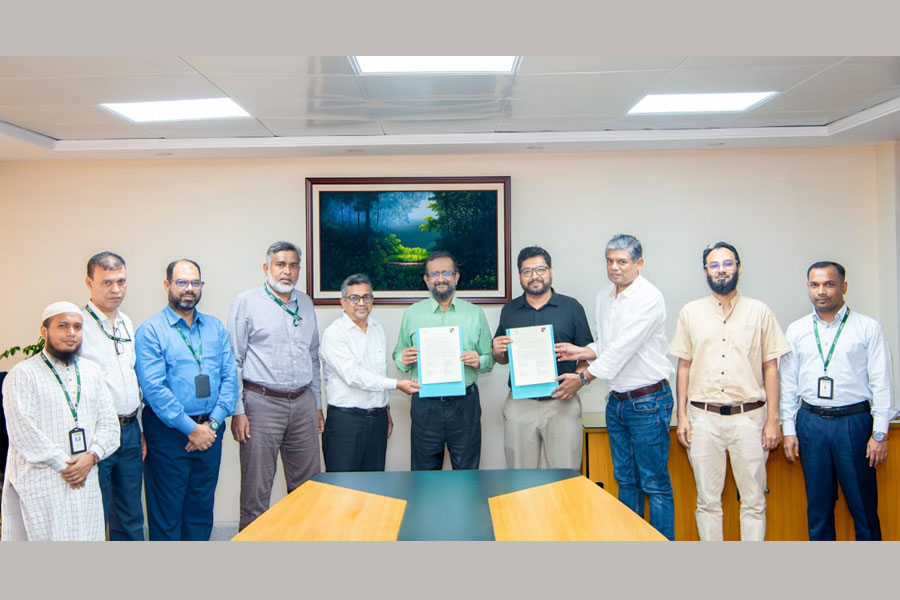
🤝 Bangladesh has begun discussions on a new IMF loan programme, abandoning the old one, with talks ongoing for the past two to three months. According to responsible sources, similar conditions are being discussed for the new programme, with preliminary talks underway for a loan of $4.5 billion spanning three years. Last week in Bangkok, a meeting was held between the Bangladesh delegation and IMF officials on the sidelines of the IMF and World Bank's annual joint meeting, focusing on revenue-sector reform and the progress of the reform initiatives. The Bangladesh delegation was led by Finance Minister Amir Khosru Mahmud Chowdhury.
📜 The NBR split: prescribed, paused, pending
🏦 Under the old programme, the stipulation was to dissolve the NBR and separate policy from collection by December 2025: one government division would set tariff and tax policy, while another would handle on-the-ground revenue collection — tasks the NBR currently performs together, combining rule-maker and enforcer in a single institution. Although an interim government ordinance was issued, the current government has not turned it into law, instead forming a review committee led by the Prime Minister's Advisor for Public Administration, Ismail Zabiullah, which has already submitted its report.
📆 The single-VAT-rate question got its own airing in Bangkok. The IMF has long recommended one uniform rate, and reportedly inquired about progress during the meeting. According to NBR sources, a time-bound plan now exists to eliminate the multiple reduced rates between 2027 and 2030, aiming for a single national VAT rate by 2030. By law that rate would be 15 percent, although multiple meetings with businesses have discussed lowering it — with business groups reportedly favouring a single rate of 7.5 percent.
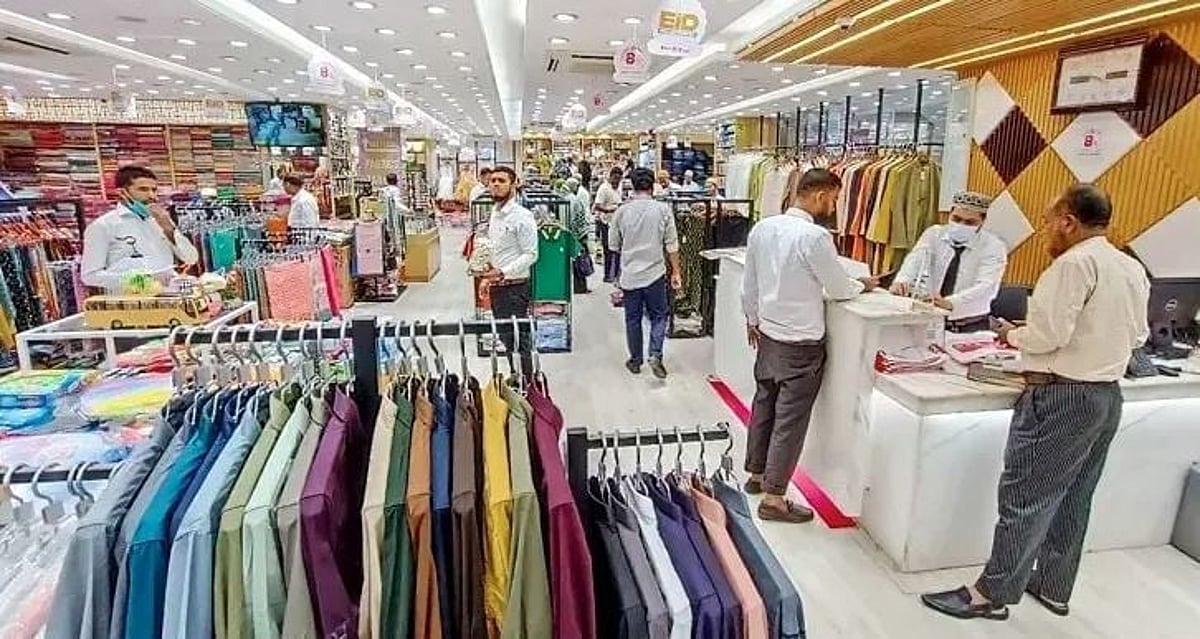
🔢 The complexity being untangled is substantial: Bangladesh currently has ten primary VAT rates — 15, 10, 7.5, 5, 4.5, 4, 2.4, 2, 1.5 and 0 percent — though most goods and services fall under the 15 percent rate. Each differential rate is a negotiated concession for some sector or lobby, which is why consolidating them is both economically tidy and politically hard.
⛔ On exemptions, the previous loan required eliminating all tax exemptions by July 2027, and similar conditions are expected in the new programme. The NBR's position, however, is that eliminating all exemptions is not entirely feasible for economic and business growth — an honest statement of the tension between revenue mobilisation and industrial policy. On automation, by contrast, the NBR agrees with the IMF's emphasis.
📊 Why reform is unavoidable
🧱 The underlying arithmetic is stark. Bangladesh is among the countries with the lowest tax-to-GDP ratios in the world — limited to 6 to 7 percent — and there has been no significant progress in revenue collection over the past few years. Businessmen, economists and donors alike have long advocated revenue reform, and people connected to the sector note that beyond any IMF condition, reforming the revenue system is simply necessary to meet the country's financial needs, for which political commitment is the binding requirement.
💬 Zahid Hussain, former chief economist of the World Bank's Dhaka office, recently told the media that reforms such as reducing tax exemptions and separating policy from collection are essential — and that the IMF will not change its stance, since these are the same conditions as the previous programme. Local experts prioritise similar reforms, he noted, and it is imperative to implement them as quickly as possible.
⚖ Mohammad Abdul Mazid, former NBR chairman, believes separating collection from policy is vital to reduce public harassment, noting that many countries run separate agencies for the two functions. In his model, the NBR itself would become a division responsible for revenue collection, reporting directly to the minister's office without intermediaries, while a policy division formulates revenue law and rates.
🔭 What the new programme must deliver
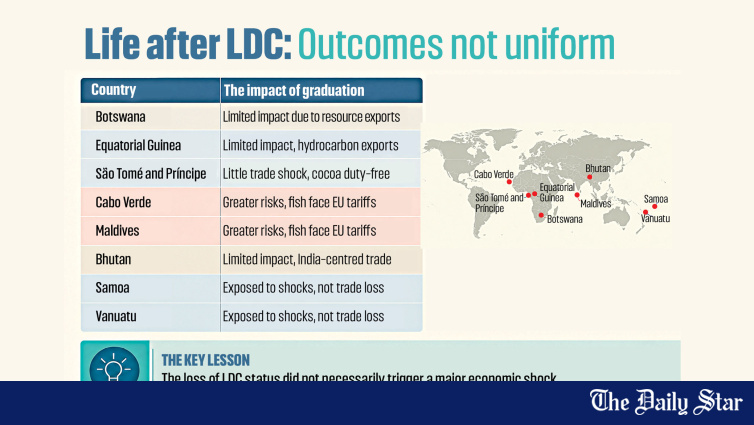
🚀 The context for the new $4.5 billion negotiation is Bangladesh's graduation from Least Developed Country status, after which concessional finance shrinks and external borrowing must increasingly stand on creditworthiness. An IMF programme functions as a policy seal of approval that lowers borrowing costs across the board — but only if its conditions are visibly implemented rather than ceremonially accepted.
📋 The track record so far is mixed, and honesty requires saying so: the NBR split was due by December 2025 and remains under committee review; the VAT consolidation horizon stretches to 2030; and exemption elimination has met open resistance from within the revenue establishment itself. Each delay has a defensible political reason, and each feeds the scepticism that IMF conditions get negotiated but not enforced.
💸 Yet the direction of travel is not nothing. A committee report on the NBR split exists; a phase-out schedule for reduced VAT rates has been drawn; automation has institutional buy-in. If the new programme's conditionality is structured around dated, verifiable milestones — and if the finance ministry's leadership in Bangkok signals seriousness — the next three years could finally move Bangladesh's revenue-GDP needle from the bottom of the world rankings toward the middle, which is where every other aspiration in the national budget quietly depends on it reaching.
This news was originally published by Prothom Alo English. For the full original report, please visit: https://en.prothomalo.com/business/local/iuuifbnv39
Related on BangladeshExport
📬 Get Bangladesh Trade News in your inbox
Weekly digest of export industry news, policy updates, and market analysis.
📰 Related Stories