Dhaka Markets, Malls Back to 11am-8pm as Durga Puja Shopping Extension Expires
Power Division restores the August electricity-saving schedule after festival shopping hours ran till 10pm
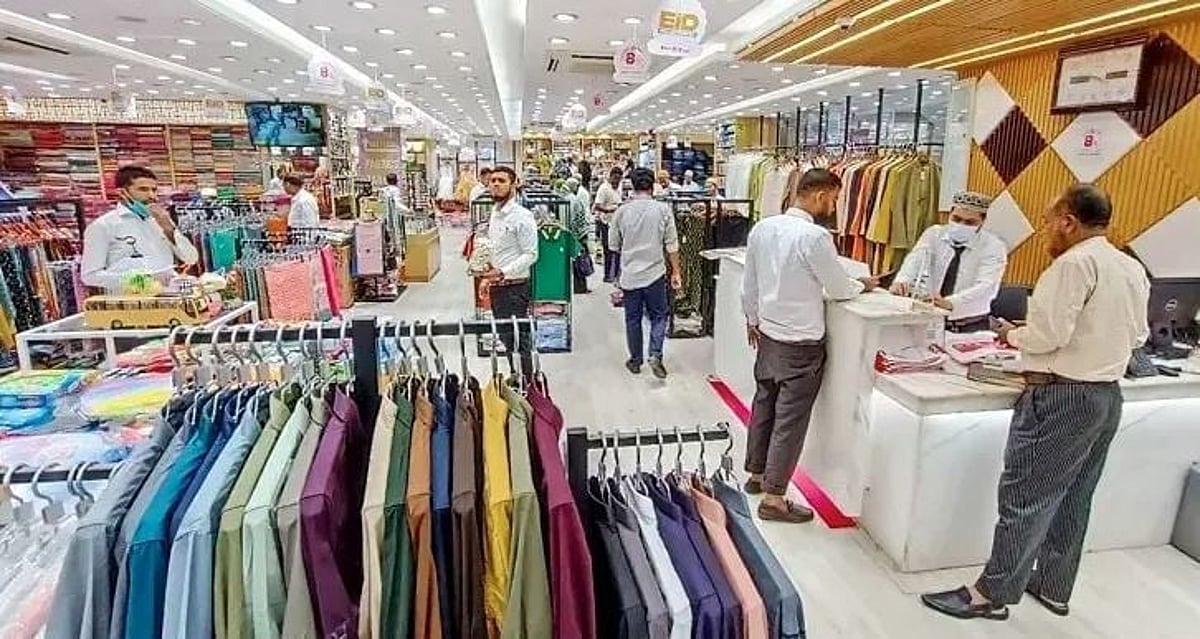
🛍 Markets, shopping malls and shops across the capital will remain open from 11:00am to 8:00pm following the expiry of the temporary extension of shopping hours during Durga Puja. The restoration of the restricted schedule marks the end of a week-long festive reprieve for retailers, and a return to the electricity-saving regimen the government has enforced since August.
🗓 The sequence of directives tells the story in brief. On 12 August, the government imposed restrictions on shopping hours as part of its efforts to save and manage electricity — a response to fuel import costs and grid pressure that squeezed the working day of every retailer in the capital. Then, under a directive issued by the Power Division on 5 October, the city's markets, shopping malls and shops were allowed to remain open until 10:00pm during the Durga Puja festival, recognising that festival shopping is both culturally essential and commercially decisive for the retail year. That extended schedule remained in effect until Thursday.
⚡ With the festival over, the previous schedule came into effect again on 23 October, according to the directive. The Power Division's earlier instruction also remains in force: shops and shopping malls must switch off lights after 7:00pm — meaning that for the final hour of trading each day, showrooms operate on minimal illumination, a visible reminder of the energy constraints under which Bangladesh's consumer economy now operates.
💸 The economics of shortened retail hours
🏪 For the capital's retailers, the difference between a 10pm closing time and an 8pm one is not cosmetic. Evening hours are the peak trading window for Dhaka's shopping malls and bazaars — office workers shop after leaving their desks, and families visit in the cooler hours after sunset. Cutting two hours off the trading day therefore concentrates the same footfall into a shorter window, intensifying competition among shops for the evening crowd while raising the risk that late-evening purchases simply migrate online or to informal sellers who ignore the directive.
💰 Traders have argued all along that the measure's burden falls unevenly: compliance among formal malls and branded outlets is near-total, while street-side and informal vendors face weaker enforcement. The festival-week extension acknowledged that reality — and the boost it gave to Puja-season sales was an implicit admission that trading hours matter for revenue, employment in the retail sector, and the festival economy of clothing, gifts and decoration that peaks in October.
⚡ Why the curfew on shopping hours exists
🔌 The August restriction was born of a broader squeeze: elevated global fuel prices have inflated the cost of running oil-fired and rental power plants, while dollar scarcity made fuel imports expensive during the reserve-pressure period. Load management by time-of-day — trimming demand in evening peak hours when lighting and cooling loads peak — is among the cheapest tools available to grid operators, which is why the shopping-hour directive targets precisely the hours when retail lighting load is heaviest.
🌏 The policy also dovetails with the broader campaign to cut system losses and shift peak demand: energy-efficient lighting mandates, prepaid meters for commercial consumers and public appeals to moderate air-conditioning use have all featured in the same package. For a country that imports a large share of its primary energy, every megawatt-hour shaved off the evening peak reduces the need for the most expensive generation in the system — savings that accrue directly to the subsidy bill.
🔭 What retailers and policymakers watch next
📅 For the retail sector, the immediate question is whether the 11am-8pm schedule persists through the winter wedding and Eid shopping seasons or gets relaxed again as fuel prices and grid conditions ease. Retailers plan inventory and staffing months ahead, and unpredictable hour changes complicate both — a point trade bodies have raised every time the schedule has moved.
🚀 The longer-term answer is structural: more domestic gas and renewable capacity, better demand forecasting, storage solutions and time-of-use tariffs that reward off-peak consumption. Until those arrive, shopping hours in Dhaka will remain a dial the Power Division turns to balance the grid — a small policy lever with immediate visibility on every shuttered storefront in the capital, and a reminder that energy policy and consumer commerce are now inseparably linked in Bangladesh's economic management.
💡 There is also a behavioural dividend that the directive's authors likely did not anticipate: compressed hours have pushed a growing share of retail activity onto e-commerce platforms and social-media commerce, accelerating the digitisation of Bangladesh's retail trade. Sellers who once depended entirely on footfall now maintain live inventories on Facebook and delivery-app partnerships, hedging against any future restriction on physical hours — a structural shift that outlasts any single directive and quietly strengthens the online retail ecosystem that policymakers separately champion as a growth sector.
📋 Compliance itself has become a talking point among retailers: the directive carries no dramatic penalties, so enforcement relies on inspections and moral suasion, and formal businesses — the ones inside regulated malls — have borne the cost while unregulated sellers keep longer hours. Trade associations have asked for a level playing field, arguing that an unevenly applied energy-saving rule protects neither the grid nor legitimate business.
This news was originally published by Prothom Alo English. For the full original report, please visit: https://en.prothomalo.com/business/local/w8czqvnnd7
📬 Get Bangladesh Trade News in your inbox
Weekly digest of export industry news, policy updates, and market analysis.
📰 Related Stories