LPP Suspends $700 Million Bangladesh Garment Orders: Police Harassment Dispute
Polish buyer LPP S.A. suspends all new orders after lawsuits and police raids on Dhaka office; FES Retail owes $40M; Ensa Clothing files High Court case
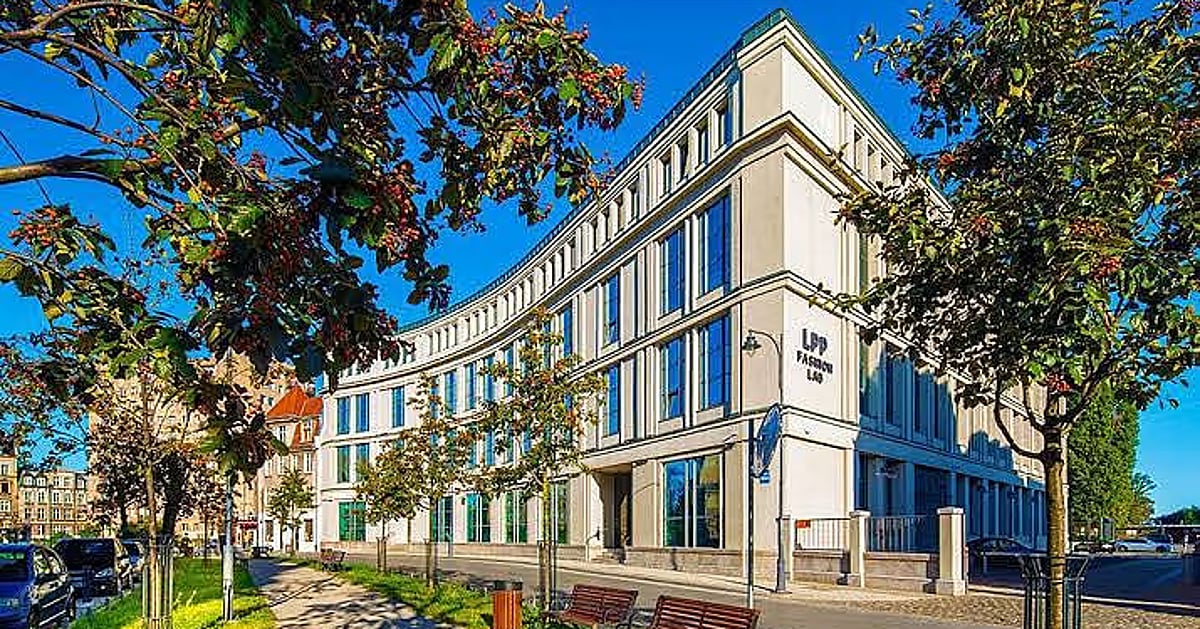
Dhaka, August 6, 2026 — Polish buyer LPP S.A. has suspended orders from Bangladesh following alleged police harassment and lawsuits against several officials at its Dhaka office, putting approximately $700 million (Tk 86.1 billion) in annual garment exports at risk — a potentially devastating blow to the suppliers who depend on the company's orders.
LPP's garment suppliers are worried about the situation. Several suppliers said that if a major buyer like LPP suspends its orders, many garment factories could be forced to shut down. The crisis stems from a dispute over unpaid dues from Russian buyer FES Retail, which owes Bangladeshi exporters nearly $40 million.
📋 The Dispute: FES Retail Unpaid Dues
Affected exporters claim that FES Retail owes them nearly $40 million in unpaid dues. Since LPP did business with FES Retail on the basis of assurances, they argue that LPP must take responsibility. An investigation found that last month, the owners of two buying houses filed separate cases in the High Court against several officials of LPP's Dhaka office over efforts to recover unpaid dues from FES Retail. Following the lawsuits, police also conducted nighttime raids at the homes of several LPP officials.
- 💰 LPP annual orders from Bangladesh: ~$700 million (Tk 86.1 billion)
- 💰 FES Retail unpaid dues: ~$40 million
- 🏭 Buying house example: Ensa Clothing exported trousers worth $52,000 (April 2025), FES Retail never paid
- 📜 LPP letters to: BGMEA, BKMEA, BGBA (July 21)
- 📜 Supplier suspension letter: July 31
📜 LPP's Position: Not Our Responsibility
On July 21, LPP sent letters to the Bangladesh Garment Manufacturers and Exporters Association (BGMEA), the Bangladesh Knitwear Manufacturers and Exporters Association (BKMEA), and the Bangladesh Garments Buying House Association (BGBA). The company said in the letters that disputes over payment involving several Bangladeshi factories had been continuing for several months. It said LPP was not the party actually responsible for those payments. Nevertheless, its employees had faced police harassment. Against this backdrop, the company had decided to gradually reduce its orders from Bangladesh.
On July 31, LPP informed its Bangladeshi suppliers by letter: "Unfortunately, despite explaining our position and trying to find constructive solutions, the concerns have not been resolved. Therefore, new orders and new product development work with suppliers will remain suspended. We will communicate the next steps within the next two weeks."
💬 Buying House Perspective
Buying house Ensa Clothing exported trousers worth $52,000 in April last year against an order from FES Retail. The shipment reached Russia two months later. FES Retail has yet to take delivery of the goods by making the payment. After failing to recover the outstanding amount, Ensa Clothing filed a lawsuit at the end of last month, naming several LPP officials as defendants.
Enamul Kabir, managing director of Ensa Clothing, told Prothom Alo: "Initially, FES Retail placed the orders, but after the garments were exported, LPP made the payments. Therefore, they cannot avoid responsibility in any way. We filed the case only after all our efforts had failed. Several factories could be forced to close if we do not receive the export proceeds."
📋 Strategic Context
The LPP crisis illustrates a structural vulnerability in Bangladesh's garment export model: the reliance on intermediary buyers and complex payment chains that can break down when one party defaults. The $40 million in FES Retail unpaid dues represents a significant sum for the affected factories, many of which are already operating under severe financial stress from the gas crisis, weak global demand, and high borrowing costs. The decision by LPP to suspend all new orders — not just orders from the factories involved in the dispute — means that the consequences of the FES Retail default are spreading to suppliers who had no direct involvement in the unpaid dues issue.
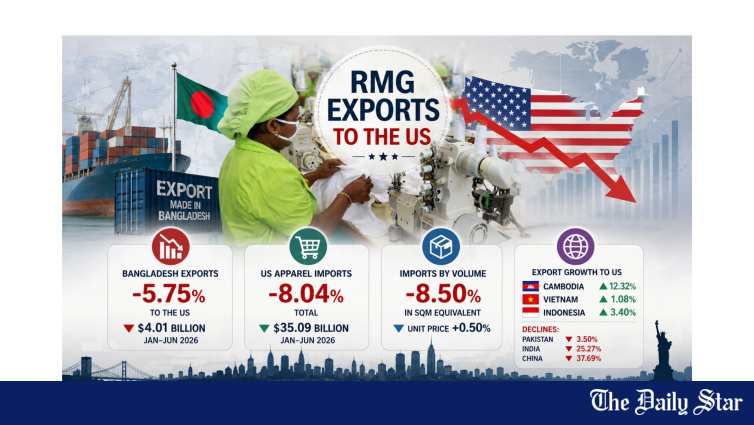
For Bangladesh's garment sector, the LPP suspension adds another layer of pressure to an already strained export environment. With the sector losing 5.75 percent of US exports in January-June 2026, 565 workers just laid off at Alliance Knit Composite, and 370 factories recommended for the Tk 60,000 crore stimulus package, the loss of $700 million in annual orders from a single buyer could trigger a cascade of factory closures among LPP-dependent suppliers. The BGMEA, BKMEA, and BGBA — all of whom received LPP's July 21 letter — need to facilitate a resolution that addresses the legitimate concerns of both the unpaid exporters and LPP's officials who faced police harassment. Without a mediated settlement, the standoff could result in permanent loss of a major buyer relationship and the factory closures that LPP's suppliers fear. The LPP case also highlights the need for stronger contractual frameworks in Bangladesh's garment export industry — particularly around the relationship between primary buyers (like LPP) and intermediary buyers (like FES Retail) who may default on payment obligations. The current situation, where LPP made payments on FES Retail orders but disclaims responsibility for FES Retail's defaults, creates an ambiguous legal environment that leaves Bangladeshi exporters without clear recourse when payments fail. The BGMEA and BKMEA should work with international buyers to establish clearer payment guarantee mechanisms that protect exporters from intermediary defaults while also providing buyers with protection against harassment. The police raids on LPP officials' homes — whatever the justification — represent a serious concern for foreign investors and buyers operating in Bangladesh, as they create an environment of legal uncertainty that could deter other international brands from maintaining or expanding their sourcing presence in the country. The government and the trade associations must act quickly to mediate this dispute before the two-week window LPP has given expires, as a prolonged suspension could permanently damage Bangladesh's reputation as a reliable sourcing destination for European apparel brands.
This news was originally published by Prothom Alo English. For the full original report, please visit: https://en.prothomalo.com/business/local/czhai7kbs9
Related on BangladeshExport
📬 Get Bangladesh Trade News in your inbox
Weekly digest of export industry news, policy updates, and market analysis.
📰 Related Stories