Pakistan Allows Pineapple Imports from Bangladesh: New Trade Opportunity
Pakistan opens market for Bangladeshi pineapples; move seen as step toward normalising trade relations between the two countries; agricultural export diversification
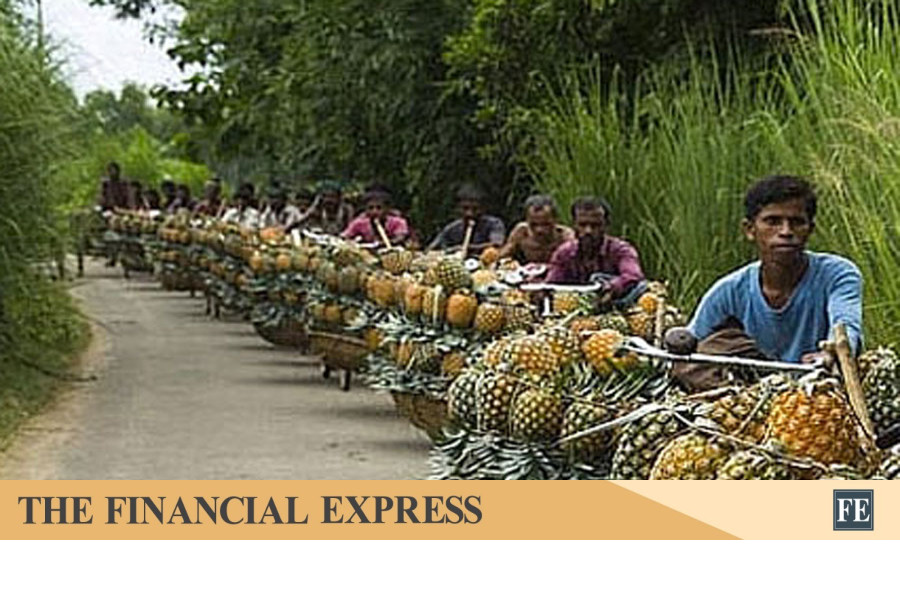
Dhaka, August 7, 2026 — Pakistan has formally allowed pineapple imports from Bangladesh, opening a new market for the country's agricultural exporters and representing a meaningful step toward normalising trade relations between the two South Asian neighbours after years of strained diplomatic ties dating back to Bangladesh's independence in 1971.
🇵🇰 The Announcement
The High Commission of Bangladesh in Islamabad shared the information in a statement on Friday, August 7, 2026. The statement said Pakistan has strong demand for Bangladeshi pineapples, adding that the new export opportunity could pave the way for shipments of other agricultural products and fruits while boosting bilateral trade. The announcement marks one of the most concrete commercial openings between the two countries in over a decade and comes at a time when both governments have been quietly exploring ways to expand people-to-people and business contacts.
🤝 How the Deal Came Together
The opportunity was created through years of coordination between multiple Bangladeshi and Pakistani agencies — a process that began well before the political transition of August 2024 in Bangladesh and continued through the change of government. The coordination involved:
- 🏛️ Bangladesh High Commission in Islamabad — lead diplomatic channel
- 🏛️ Deputy High Commission in Karachi — commercial hub liaison
- 🌾 Directorate of Agricultural Extension — quality and phytosanitary certification
- 📜 Ministry of Agriculture — production and supply-side readiness
- 🌏 Ministry of Foreign Affairs — political clearance and bilateral protocol
- 🇵🇰 Relevant Pakistani authorities — import licensing, quarantine and customs
The multi-year timeline is a reminder that agricultural trade openings typically require sustained diplomatic groundwork — negotiating phytosanitary protocols, quarantine procedures, packaging standards and customs documentation — long before commercial shipments begin. The fact that this opening survived the political transitions in both countries suggests that the underlying commercial logic is strong enough to outlast changes in government.
🍍 Bangladesh's Pineapple Sector at a Glance
Bangladesh is one of the world's significant pineapple producers, with annual production estimated at over 1 million metric tonnes — concentrated in the hilly districts of Chattogram, Rangamati, Bandarban, Khagrachhari, Sylhet and Mymensingh. The most widely cultivated varieties are Giant Kew, Honey Queen and locally adapted cultivars that are well-suited to Bangladesh's tropical climate. Despite the large production base, the country's pineapple exports have historically been limited — constrained by inadequate cold-chain infrastructure, weak post-harvest handling practices and the absence of certified packhouses that meet international phytosanitary standards. Most exports have gone to small Middle Eastern markets serving the Bangladeshi diaspora rather than to mainstream supermarket channels in developed markets.
📊 Pakistan Market: Why It Matters
Pakistan's market, with its 220 million population and growing demand for fresh fruits, represents a meaningful expansion of Bangladesh's agricultural export destinations. Pakistan imports a significant portion of its fresh fruit requirement — including from Thailand, the Philippines and Indonesia — meaning Bangladeshi pineapples, with their proximity advantage and lower freight costs, could be competitively priced against tropical fruit imports from Southeast Asia. The Pakistan market opening contributes directly to the government's broader push for export diversification beyond the ready-made garment (RMG) sector, which still accounts for over 80 percent of merchandise exports.
🌏 LDC Graduation and Export Diversification Strategy
For Bangladesh's LDC graduation roadmap, which targets increasing the share of non-RMG exports to at least 25 percent of total exports by 2029, every new market access opportunity matters. Agricultural exports represent one of the sectors where Bangladesh has genuine competitive advantages — favourable climate, low labour costs, established farming traditions and a large domestic production base that can be repurposed for export-grade supply. The pineapple sector, if developed with proper quality standards, packaging and cold-chain infrastructure, could follow the trajectory of Bangladesh's shrimp sector in becoming a significant foreign exchange earner. Other agricultural products with similar potential include mangoes, jackfruit, guava and processed fruits — all of which could potentially follow pineapples into the Pakistani market if the diplomatic framework holds.
🤝 Diplomatic Significance
The Pakistan market opening also carries diplomatic weight. Trade relations between Bangladesh and Pakistan have been effectively frozen since Bangladesh's independence in 1971, with no Most-Favoured-Nation (MFN) treatment extended in either direction and bilateral trade conducted through third-country channels or via limited special arrangements. Any normalisation of commercial ties — even at the modest scale of pineapple imports — represents progress toward a more integrated South Asian economy. It also creates a positive precedent that could unlock openings in other areas, including textile machinery trade, pharmaceuticals and sports goods.
🛢️ Logistics and Quality Challenges
The practical impact of the pineapple import allowance will depend on whether Bangladeshi exporters can meet Pakistani quality and phytosanitary standards, and whether the logistics infrastructure can support fresh fruit exports at competitive costs. Key challenges include:
- ❄️ Cold chain: Limited reefer container capacity at Chattogram port for fruit exports
- 🧹 Quarantine treatment: Hot water dip or vapour heat treatment required for fruit fly control
- 📦 Packaging: Need for export-grade corrugated packaging with cushioning and ventilation
- 📋 Certification: Phytosanitary certificate from DAE and import permit from Pakistan's DPP
- 🛒 Distribution: Need for established importers in Karachi, Lahore and Islamabad
✅ What Comes Next
The Bangladesh High Commission in Islamabad is expected to facilitate initial buyer-seller meetings between Bangladeshi pineapple exporters and Pakistani fruit importers in the coming weeks. The Export Promotion Bureau (EPB) and the Ministry of Commerce may also include pineapples in upcoming trade fairs and buyer-seller meets. If the first commercial shipments — expected in September or October 2026 — meet Pakistani quality expectations, the opening could be expanded to include other Bangladeshi agricultural products, creating a small but symbolically important new export corridor between two countries that have historically traded very little with each other.
This news was originally published by The Financial Express. For the full original report, please visit: https://thefinancialexpress.com.bd/trade/pakistan-allows-pineapple-imports-from-bangladesh
📬 Get Bangladesh Trade News in your inbox
Weekly digest of export industry news, policy updates, and market analysis.
📰 Related Stories