Fertiliser In Stock But Shortage In Field: Bangladesh's Distribution Crisis
Despite adequate national stocks, farmers struggle to access fertiliser at government-fixed prices as hoarding, dealer policy uncertainty and panic buying create local shortages during Aman season
🌾 Bangladesh may have enough fertilisers in its warehouses, but that does not necessarily mean farmers get those when they need. This seemingly simple distinction lies at the heart of the disruption now being reported from several parts of the country during the Aman season. At the national level, the government says stocks are adequate. Yet in some districts farmers are struggling to obtain fertiliser from authorised dealers at government-fixed prices, while mobile courts are uncovering overpricing, hoarding and unauthorised stockpiling.
📊 The paradox deserves more attention than a simple declaration that there is "no fertiliser crisis". For a farmer, a sack of fertiliser sitting in a government warehouse hundreds of kilometres away is of little practical value if it cannot reach his field at the right time and at the right price. Agricultural supply is ultimately judged not by the volume stored nationally, but by whether the input reaches farmers when the crop needs it.
🏛 Government Position: Stocks Adequate Through December
The Ministry of Agriculture maintains that there is no nationwide shortage and that existing stocks are sufficient to meet demand through December. Imports under government-to-government arrangements are continuing, while private-sector importers have also been authorised to bring in fertiliser. In other words, the country does not appear to be facing a fundamental supply deficit.
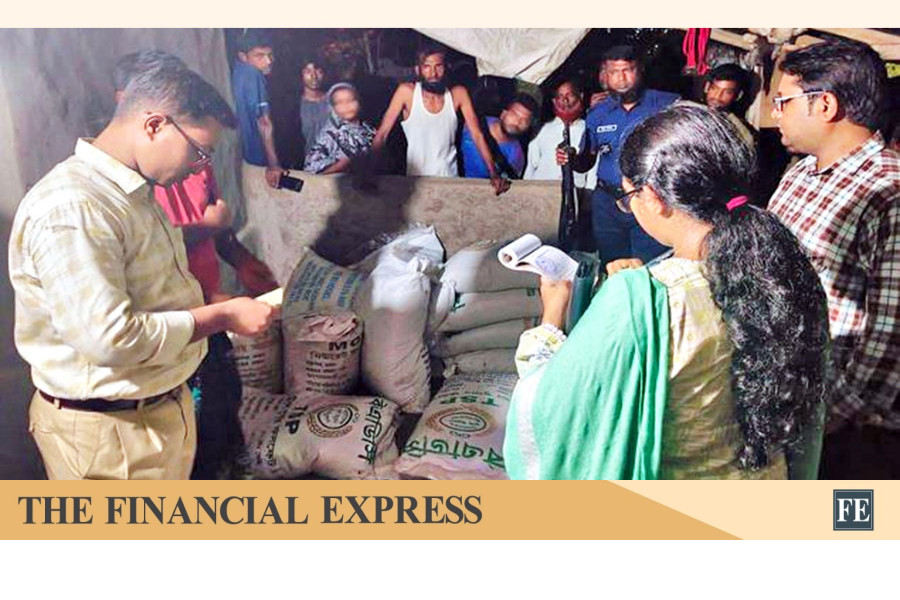
But the reports emerging from the field tell a more complicated story. In Bogura, the authorities reportedly seized 1,675 sacks of fertiliser, each weighing 50 kilograms, and sealed a warehouse. Elsewhere, mobile courts have taken action against traders accused of charging more than the government-fixed prices, failing to display price lists and selling fertiliser without proper registration. Farmers in some areas have reportedly been compelled to turn to retailers after failing to obtain supplies from authorised dealers, paying premium prices in the process.
- 📊 Government position: Stocks adequate through December 2026
- 📊 Bogura seizure: 1,675 sacks (50kg each) = 83.75 tonnes
- 📜 New dealer policy: Additional dealer per union (alongside existing two)
- 📅 Aman season: Near completion — urea is primary current demand
- 📅 Rabi season: Mid-October — potatoes, vegetables, mustard, maize, wheat
- ⚠ Self-reinforcing panic buying: 2-5% demand increase can create local pressure
📜 Distribution Chain Weaknesses
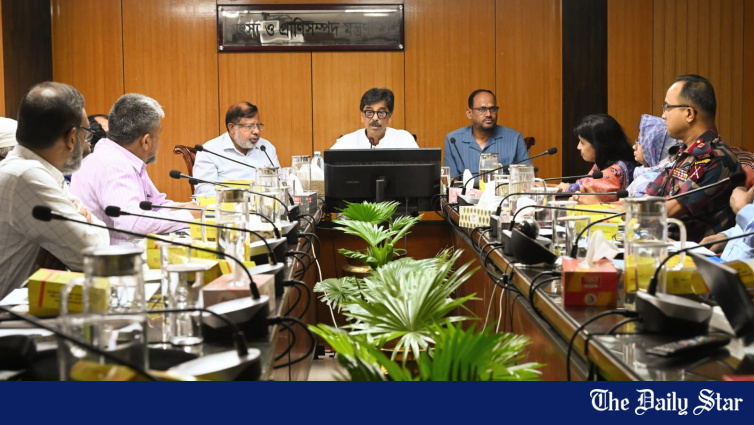
These are not merely enforcement issues. They point to weaknesses in the distribution chain. Agriculture Secretary Md Selim Khan has said monitoring committees headed by two secretaries have been formed, while tag officers have been appointed in every district. Action has also reportedly been taken against officials and employees involved in irregularities, with several officials removed. He has attributed part of the disruption to uncertainty surrounding the government's new fertiliser dealer policy.
The new policy itself is intended to address a longstanding problem. The government plans to appoint an additional fertiliser dealer in every union while retaining the existing two, thereby widening the distribution network and reducing farmers' dependence on a small number of dealers. If implemented properly, the measure could make access easier and competition among dealers healthier. Yet a change in policy can also create uncertainty, particularly when an old distribution arrangement is being dismantled before the new one becomes fully operational. Such a transition demands exceptionally close monitoring because fertiliser is not an ordinary commodity — its usefulness is highly time-sensitive.
🌏 Aman Season Demand And Rabi Season Fears
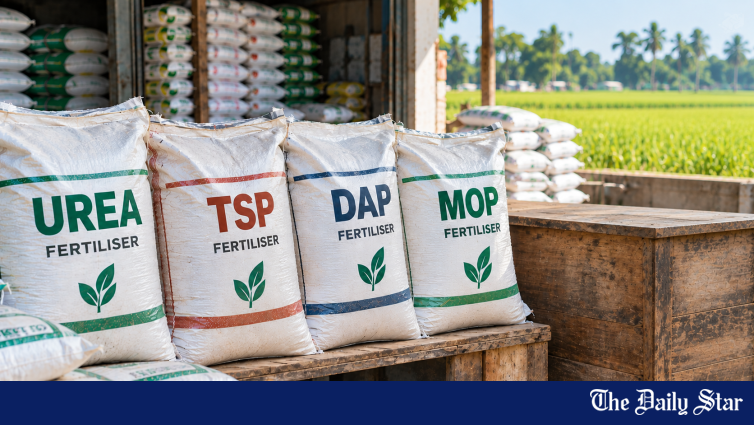
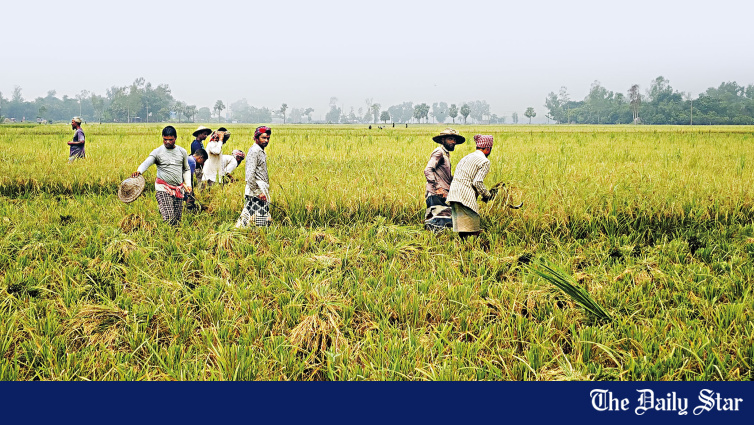
Much of the Aman cultivation has already been completed, meaning that demand for non-urea fertilisers such as DAP and MOP should be relatively limited at this stage. Farmers' immediate requirement is mainly urea. Uneven rainfall and distribution problems may nevertheless have contributed to local shortages.
With the Rabi season approaching in mid-October, farmers will soon prepare for potatoes, vegetables, mustard, maize and wheat. Fear of future scarcity may therefore be encouraging some farmers to purchase DAP and TSP earlier than necessary. Once such precautionary buying begins, it can become self-reinforcing. Farmers buy because they fear a shortage; their buying increases demand; the increased demand creates pressure in some markets; and that pressure reinforces the original fear.
💰 Panic Buying And Misinformation
Bangladesh Fertiliser Association Chairman Mosharaf Hossain has attributed the current pressure partly to panic buying and misinformation. Even a modest two-to-five per cent increase in demand, he argues, can create pressure in a particular locality. He has also pointed to the possibility of unlicensed traders buying and storing fertiliser in anticipation of higher prices. The panic buying dynamic is structurally similar to the bank-run phenomenon — individual rational behaviour (buying early to avoid future scarcity) creates collective irrational outcomes (artificial demand spike that validates the original fear).
The role of unlicensed traders is particularly concerning. When unlicensed actors enter the market to buy and stockpile fertiliser, they effectively compete with authorised dealers for supply, creating an alternative distribution channel that operates outside government price controls. The presence of this shadow market undermines the government's price regulation framework and creates the conditions for the overpricing that mobile courts are now uncovering.
🤝 Structural Reform Needed Beyond Enforcement
Agricultural planning cannot be entirely statistical. It must also be responsive. A national stock figure can conceal a local shortage just as easily as an abundant harvest can coexist with food insecurity in a particular locality. Government raids and punitive measures are necessary, but they are essentially remedial. What is needed is a distribution system in which such intervention becomes less necessary in the first place.
Stocks should be monitored not merely in aggregate but geographically; allocations adjusted quickly in response to emerging demand; dealer inventories transparent; prices displayed and enforced; and farmers should have reliable alternatives when an authorised dealer fails to supply them. The geographical monitoring recommendation is particularly important — a national stock figure that shows 500,000 tonnes of fertiliser in warehouses tells policymakers nothing about whether a farmer in a specific upazila can actually access that fertiliser at the government-fixed price.
📜 Trust: The Missing Element
There is also a larger question of trust. Farmers make decisions based not only on official data but on what they see and hear in their local markets. When a farmer is told that there is enough fertiliser in the country but cannot buy it at the official price, official assurances inevitably lose credibility. That is why the important question is whether the country has built a supply chain capable of delivering fertiliser where it is needed, when it is needed and at the price set by the government.
For agriculture, availability is not a warehouse statistic. It is a farmer's ability to walk into a dealer's shop and obtain the right fertiliser at the right time without paying an unofficial premium. Until that simple reality is ensured, an apparently comfortable national stock position can continue to coexist with a very real shortage in the field. The coming weeks — as the Rabi season approaches and demand for DAP, TSP and MOP rises — will test whether the government's monitoring committees, tag officers and new dealer policy can translate national stock adequacy into field-level availability.
This news was originally published by The Financial Express. For the full original report, please visit: https://thefinancialexpress.com.bd/columns/fertiliser-in-stock-but-shortage-in-field
Related on BangladeshExport
📬 Get Bangladesh Trade News in your inbox
Weekly digest of export industry news, policy updates, and market analysis.
📰 Related Stories