Blended Finance Helps 215,000 Bangladesh Households Move Out Of Extreme Poverty, Development Project Findings Show
Development project combines concessional capital with commercial investment to deliver sustainable exits from extreme poverty, providing a model for future poverty alleviation programmes.
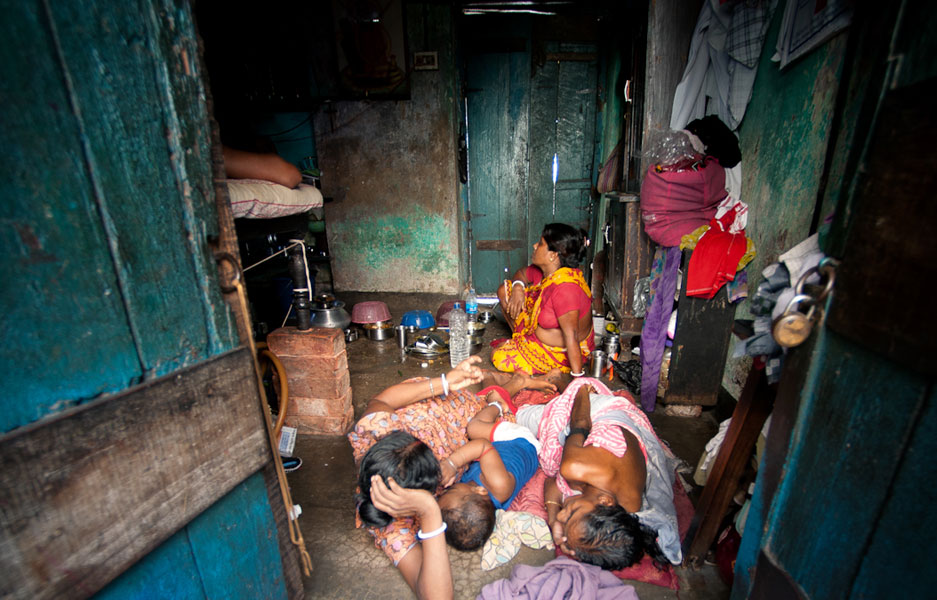
💰 Blended finance has been a key driver of sustainable exits from extreme poverty, according to the findings of a development project that helped improve the living standards of 215,000 extremely poor households in Bangladesh. The findings, presented at a recent event, demonstrate that the strategic combination of concessional capital with commercial investment can deliver meaningful and lasting improvements in the lives of the country''s poorest citizens — providing a model for future poverty alleviation programmes.
📊 Blended finance refers to the strategic use of development finance — typically from governments, multilateral institutions or philanthropic foundations — to mobilise additional commercial capital towards sustainable development projects. In the context of poverty alleviation, blended finance can take many forms: concessional loans that allow poor households to access affordable credit, first-loss guarantees that de-risk commercial investments in low-income markets, or grant-funded technical assistance that improves the viability of commercial ventures serving poor communities.
🏛 The 215,000 household impact
The development project''s success in helping 215,000 extremely poor households improve their living standards represents a significant achievement in Bangladesh''s ongoing fight against extreme poverty. Bangladesh has made remarkable progress in reducing poverty over the past three decades — the poverty rate has fallen from over 40% in the 1990s to less than 10% today — but millions of Bangladeshis still live in extreme poverty, particularly in rural areas and urban slums.
For these households, poverty is not just about low income — it is about vulnerability to shocks, lack of access to basic services, and limited opportunities for upward mobility. Sustainable exits from extreme poverty therefore require more than just income support: they require integrated interventions that build assets, skills, and resilience over time. The development project''s use of blended finance appears to have delivered this integrated approach effectively — providing the concessional capital needed to make services affordable for poor households, while also mobilising commercial investment to scale the project''s impact.
👥 Why blended finance matters for poverty alleviation
Blended finance matters for poverty alleviation in Bangladesh for several reasons. First, traditional grant-funded poverty alleviation programmes are often limited in scale by the availability of donor funding. By blending concessional capital with commercial investment, development projects can leverage a larger pool of capital — meaning that more households can be reached with the same amount of donor funding.
Second, blended finance creates incentives for commercial actors to serve low-income markets that they would otherwise consider too risky or unprofitable. By providing first-loss guarantees, concessional loans, or technical assistance, blended finance structures can make commercial investments in poor communities viable — creating sustainable businesses that continue to serve these communities long after donor funding has ended.
Third, blended finance supports the broader financial inclusion agenda by helping poor households build credit histories, access formal financial services, and develop relationships with commercial banks and microfinance institutions. This sets the stage for longer-term financial inclusion that can support households as they move out of poverty and into the formal economy.
🌏 The PKSF and microfinance connection
Bangladesh has a long history of innovative poverty alleviation finance, dating back to the pioneering work of Grameen Bank, BRAC, ASA, and Palli Karma-Sahayak Foundation (PKSF) in developing microfinance models that have been replicated around the world. The development project''s use of blended finance builds on this tradition — combining the lessons of microfinance with newer approaches to blended finance that have emerged in the development finance community.
PKSF, in particular, has been at the forefront of Bangladesh''s blended finance experiments, working with development partners to channel concessional capital through its network of microfinance partner organisations. The success of these programmes in delivering sustainable poverty reduction provides a strong evidence base for the broader use of blended finance in Bangladesh''s development strategy.
🤝 Implications for Bangladesh''s poverty agenda
For Bangladesh''s broader poverty alleviation agenda, the findings of the development project have several implications. First, they suggest that blended finance can be an effective tool for reaching the country''s remaining extremely poor households — many of whom are concentrated in remote rural areas, indigenous communities, and urban slums where traditional poverty alleviation programmes have struggled to make significant impact.
Second, the findings highlight the importance of integrated approaches that combine financial services with technical assistance, skills training, and social development support. Blended finance alone is not sufficient — it needs to be combined with broader development interventions that address the multidimensional nature of poverty.
Third, the findings provide a useful reference for Bangladesh''s development partners and the broader development finance community. As international development funding becomes increasingly constrained, blended finance offers a way to do more with limited resources — leveraging commercial capital to amplify the impact of concessional funding. Bangladesh''s experience with the 215,000-household project provides valuable lessons for other developing countries facing similar poverty challenges.
💰 Looking ahead
The success of the development project in helping 215,000 households move out of extreme poverty is a significant achievement — but it is also a reminder of the scale of the challenge that remains. With millions of Bangladeshis still living in extreme poverty, the country will need to scale up its blended finance initiatives significantly to achieve its poverty eradication goals. The coming years will show whether the lessons from this project can be translated into larger, more ambitious blended finance programmes that deliver sustainable poverty reduction at national scale.
For Bangladesh''s broader development strategy, the project''s success reinforces the importance of innovation in development finance. Traditional grant funding alone will not be sufficient to address the country''s remaining poverty challenges — but the strategic use of blended finance, combined with effective implementation and integrated support services, can deliver meaningful and lasting improvements in the lives of the country''s poorest citizens. The 215,000 households that have benefited from this project are proof that sustainable exits from extreme poverty are possible — and provide a powerful inspiration for the work that remains.
This news was originally published by The Financial Express. For the full original report, please visit: https://thefinancialexpress.com.bd/national/blended-finance-helps-0215m-households-move-out-of-extreme-poverty
Related on BangladeshExport
📬 Get Bangladesh Trade News in your inbox
Weekly digest of export industry news, policy updates, and market analysis.
📰 Related Stories