Bangladesh Railway Delegation Visits Germany For InnoTrans 2026 To Modernise Railway Network
High-level delegation from Ministry of Railways and Bangladesh Railway attends biennial international transport technology trade fair in Berlin, focusing on sustainable, modern and efficient railway infrastructure.
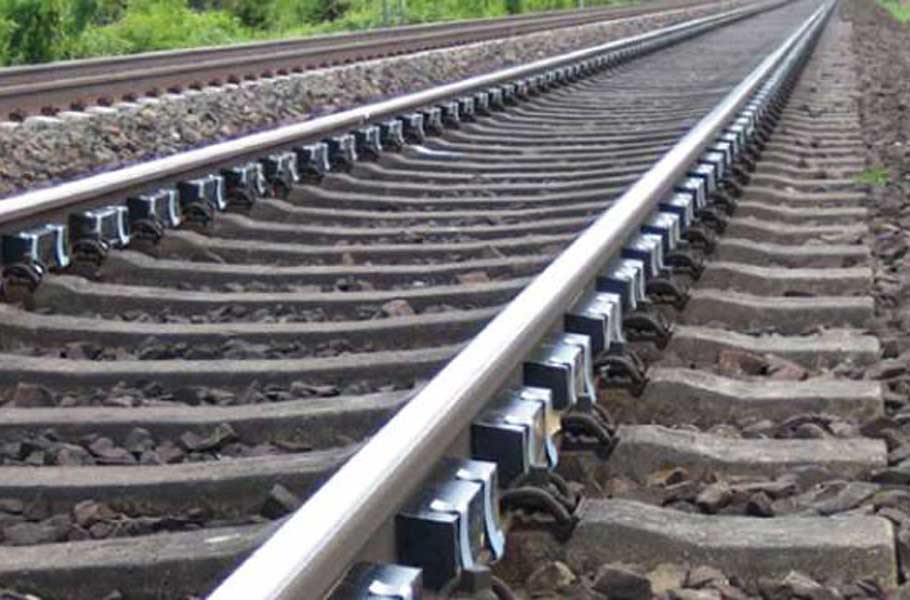
🚆 A high-level delegation of Bangladesh''s Ministry of Railways and Bangladesh Railway (BR) has visited Germany''s Berlin to participate in InnoTrans 2026, a biennial international trade fair for transport technology, aiming at focusing on the development of a sustainable, modern and efficient railway network. The visit underscores Bangladesh''s growing interest in modernising its railway infrastructure — a long-overdue priority given the country''s historical under-investment in rail compared to road transport.
📊 InnoTrans is the world''s leading trade fair for transport technology, held every two years in Berlin. The event brings together manufacturers, suppliers, operators and policymakers from across the global rail industry to showcase the latest innovations in rolling stock, infrastructure, signalling, ticketing and passenger information systems. The 2026 edition is expected to feature thousands of exhibitors and tens of thousands of visitors from over 100 countries — making it an ideal venue for Bangladesh Railway to scout for technology partners, identify modernisation opportunities, and benchmark its own systems against international best practice.
🏛 Why railway modernisation matters for Bangladesh
Bangladesh''s railway network is one of the oldest in South Asia, with parts of the system dating back to the British colonial era. The network has historically been underfunded and under-maintained, leading to slow speeds, frequent breakdowns, and limited coverage of the country''s major economic centres. Successive governments have announced railway modernisation plans, but progress has been slow — and Bangladesh''s railway network remains significantly behind those of regional peers such as India, Pakistan, and Sri Lanka in terms of speed, reliability and modernisation.
Railway modernisation matters for Bangladesh for several reasons. First, railways are a more efficient and environmentally friendly mode of transport than road haulage — particularly for bulk commodities such as cement, steel, fertilizer, and grain. By shifting freight from roads to railways, Bangladesh can reduce transport costs, lower carbon emissions, and reduce road congestion and accidents.
Second, passenger rail services are critical for connecting Bangladesh''s major cities and economic centres, particularly for low-income travellers who cannot afford air travel. Modern, fast and reliable rail services would significantly reduce travel times between Dhaka, Chattogram, Sylhet, Rajshahi and other major cities — supporting economic integration, labour mobility and tourism.
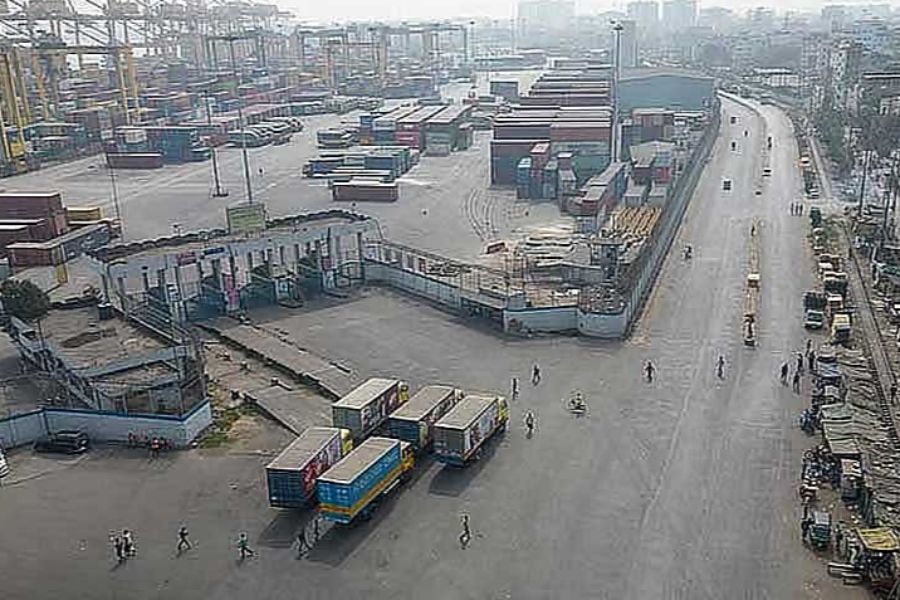
Third, railway modernisation is strategically important for Bangladesh''s broader logistics and trade agenda. The country''s main seaport at Chattogram handles the vast majority of its container trade, and the rail connection between Chattogram and Dhaka is critical for moving containers inland. Modernising this rail corridor could significantly reduce transit times and costs, supporting Bangladesh''s export competitiveness and trade facilitation agenda.
🌏 What Bangladesh Railway can learn from InnoTrans
InnoTrans 2026 offers Bangladesh Railway several learning opportunities. First, the delegation can explore modern rolling stock technologies — including high-speed passenger trains, modern freight locomotives, and energy-efficient multiple units. Bangladesh Railway''s current rolling stock is ageing, and replacement with modern equipment would significantly improve service quality, reliability, and operating costs.
Second, the delegation can examine modern signalling and train control systems that would allow Bangladesh Railway to increase capacity, improve safety, and reduce headways between trains. Many of Bangladesh''s railway lines still use manual signalling systems that limit capacity and create safety risks — modern computer-based signalling systems could transform the network''s performance.
Third, the delegation can explore digital technologies for ticketing, passenger information, and operations management. Bangladesh Railway has been gradually introducing online ticketing and digital passenger information systems, but the rollout has been slow and inconsistent. InnoTrans can showcase the latest digital platforms that integrate ticketing, scheduling, passenger information, and operations management into unified systems.
Fourth, the delegation can learn about sustainable railway technologies — including electric traction, hybrid locomotives, energy-efficient rolling stock, and green infrastructure. Bangladesh Railway''s network is largely diesel-powered, and electrification of high-traffic corridors could significantly reduce operating costs and environmental impact.
🤝 Germany as a strategic partner
Germany is a natural partner for Bangladesh''s railway modernisation agenda. German companies such as Siemens, Deutsche Bahn, and Alstom (which has significant German operations) are global leaders in railway technology — providing rolling stock, signalling systems, and operations management solutions to railway operators around the world. Germany''s own railway network, operated by Deutsche Bahn, is one of the most modern and efficient in Europe, and German engineering and project management expertise is widely respected in the global rail industry.
Beyond technology, Germany is also a major development partner for Bangladesh. German development agency GIZ has been active in Bangladesh for decades, supporting projects in energy, climate change, urban development, and vocational training. A partnership on railway modernisation could leverage both German commercial expertise and German development finance — potentially through concessional loans from KfW (Germany''s development bank) or technical assistance from GIZ.
💰 Looking ahead
The Bangladesh Railway delegation''s visit to InnoTrans 2026 is a positive signal that the government is taking railway modernisation seriously. The coming months will show whether the visit translates into concrete partnerships, technology transfers, or investment commitments. If successful, the visit could mark the beginning of a new chapter in Bangladesh''s railway modernisation story — one that finally delivers the modern, efficient and sustainable railway network that the country has long needed but has struggled to build.
For Bangladesh''s broader logistics and trade agenda, railway modernisation is a critical piece of the infrastructure puzzle. With the country''s road network increasingly congested, its ports operating at or near capacity, and its export competitiveness dependent on efficient logistics, the railway network offers a strategic opportunity to expand capacity, reduce costs, and improve the overall efficiency of the country''s transport infrastructure. The visit to InnoTrans 2026 is a small but meaningful step towards realising this opportunity.
This news was originally published by The Financial Express. For the full original report, please visit: https://thefinancialexpress.com.bd/national/br-delegation-visits-germany-for-upgrade-of-railway-network
📬 Get Bangladesh Trade News in your inbox
Weekly digest of export industry news, policy updates, and market analysis.
📰 Related Stories