Bangladesh Welding Electrode Makers Seek NBR Duty Relief On Imported Wire Rod
Bangladesh Welding Electrodes Manufacturers Association says 88.51 per cent duty on raw material wire rod makes local production unviable, while finished electrode imports carry only 52 per cent duty.
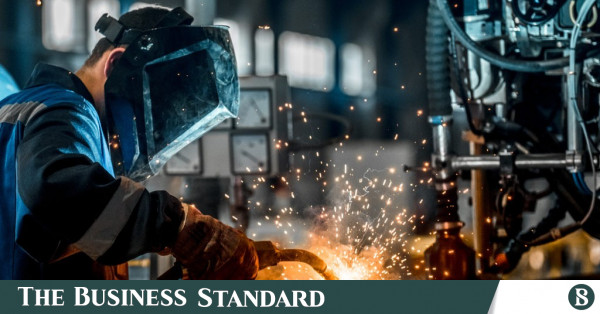
Dhaka, September 22, 2026 — Bangladesh's welding electrode manufacturers have urged the National Board of Revenue (NBR) to restore a concessional duty facility on imported hot-rolled non-alloy steel wire rod, warning that the current 88.51 per cent duty assessment threatens to make local production commercially unviable. The move comes at a moment when the country's manufacturing sector is already under pressure from energy shortages and rising input costs.
🏢 The Bangladesh Welding Electrodes Manufacturers Association (BWEMA) made the demand in a letter to the NBR chairman on 21 September, following an NBR directive requiring wire rod imported by VAT-registered electrode and wire-drawing manufacturers to be assessed under HS Code 7213.91.10 without the existing concessional facility.
💰 The Duty Gap: 88.51% On Raw Material Vs 52% On Finished Product
BWEMA said the resulting duty burden on raw material imports would be 88.51 per cent, compared with 52 per cent on finished welding electrodes imported under HS Code 8311.30.00. The structure effectively makes it cheaper to import finished electrodes than to manufacture them locally — an inversion of the protection logic typically used for Bangladeshi industry.
💬 “This would not make it possible to import the raw material by paying the said 88.51 per cent duty and thereafter manufacture and supply welding electrodes,” Md Shahjahan Kabir, general secretary of BWEMA, said in the letter.
The association warned that the higher duty would put domestic manufacturers at a disadvantage while making imports of finished welding electrodes more commercially attractive — a counterproductive outcome for a government that has repeatedly stated its commitment to deepening local industrial capacity.
📍 Consignments Held At Chattogram Port
🚢 Several consignments of wire rod imported by BWEMA member companies are currently stuck at Chattogram Port over the dispute surrounding HS classification and duty assessment, the association said. The affected companies are incurring more than Tk 1 lakh per day in additional costs, including port and shipping demurrage.
BWEMA urged the NBR to allow provisional assessment and release of the consignments under Section 93 of the Customs Act, 2023, to prevent further losses while the classification dispute is being resolved.
🧵 Wire Rod: The Backbone Of Welding Electrode Production
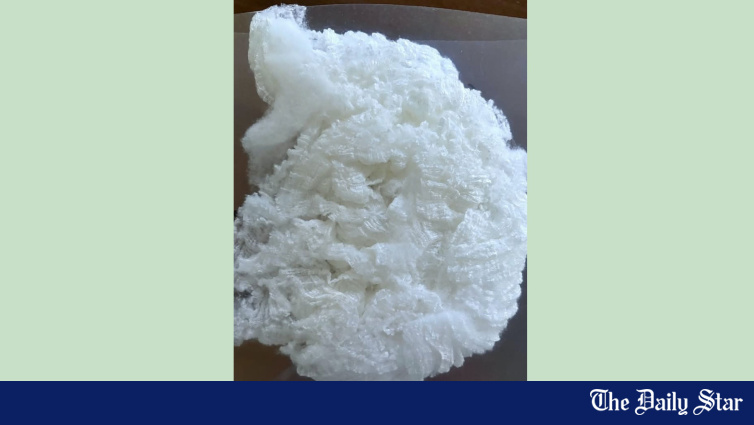
Wire rod is the main raw material used to manufacture welding electrodes. The association said domestic production of the raw material has increased in recent years, reducing the sector's dependence on imports — but local supply is still not sufficient to meet the full demand of the welding electrode industry.
The NBR had earlier provided a concessional facility under SRO No 151-Law/2026/06, issued on 8 June 2026, and its amendment issued on 30 June 2026. Under the facility, imports under HS Code 7213.91.90 by electrode, wire-drawing and electric cable clip manufacturers were eligible for:
- ✅ 0% regulatory duty (instead of 5%)
- ✅ 0% supplementary duty (instead of 45%)
BWEMA said similar consignments had previously been assessed under concessional facilities provided through earlier SROs.
📋 The HS Code Dispute
⚖ The dispute centres on a re-classification instruction issued by the NBR on 15 September 2026. The association said the latest directive has created uncertainty because the concessional facility remains applicable to HS Code 7213.91.90, while the new instruction requires wire rod to be classified under HS Code 7213.91.10.
BWEMA has requested that the NBR:
- 🔹 Review and withdraw the 15 September directive, and allow the stuck consignments to be assessed under the existing concessional facility.
- 🔹 Alternatively, include HS Code 7213.91.10 in Table-3 of the relevant SRO and extend the concessional facility to the code with retrospective effect.
💼 Wider Implications: Shipbuilding, Construction, Infrastructure
Welding electrodes are a critical input for several of Bangladesh's strategic industries — including shipbuilding, ship recycling, steel fabrication, construction and infrastructure. The country's shipbuilding sector, which exports to European and African markets, depends on locally produced welding electrodes to maintain cost competitiveness against Vietnamese and Indian yards.
For the construction sector — currently executing large infrastructure projects including the Padma Bridge rail link, the Dhaka Metro Rail, the Karnaphuli Underwater Expressway and the Matarbari deep-sea port — a disruption in welding electrode supply could translate into project delays and higher costs.
The association warned that failure to resolve the issue could force local manufacturers to scale back or shut operations, threatening jobs and increasing dependence on imported finished welding electrodes — which would in turn widen the country's trade deficit in steel-related products.
🏛 Policy Context: Bangladesh's Industrial Protection Logic
The dispute touches on a broader debate within Bangladesh's trade policy. The country has historically used concessional duty facilities on imported industrial raw materials to support backward-linkage development — allowing local manufacturers to compete with imported finished products. The welding electrode case suggests the protection framework is not always consistently applied, particularly when HS classification rules change mid-stream.
Bangladesh'stariff structure has long been criticised by the World Bank, IMF and Asian Development Bank for being anti-export — with high import duties on industrial inputs inflating production costs for export-oriented sectors. The latest BWEMA complaint adds to the growing pressure on NBR to rationalise its duty structure as the country prepares for LDC graduation in 2026.
Industry watchers say the NBR's response will be a test of how the government balances revenue protection against industrial policy. A decision in favour of BWEMA would signal continuity of the existing concessional framework; a decision against would mark a shift towards tighter revenue protection — but at the cost of domestic manufacturing capacity.
The NBR had not issued a formal response at the time of publication.
This news was originally published by The Business Standard. For the full original report, please visit: https://www.tbsnews.net/economy/welding-electrode-makers-seek-duty-relief-imported-wire-rod-1550676
📬 Get Bangladesh Trade News in your inbox
Weekly digest of export industry news, policy updates, and market analysis.
📰 Related Stories
✍️ More from System Administrator