Bangladesh Tea Sector in Crisis: Government Taskforce Prescribes 59 Sweeping Reforms
Tea exports down 79% since 2002; production costs up 78.31% in a decade; estates selling below cost since 2019; taskforce identifies 8 priority areas for reform
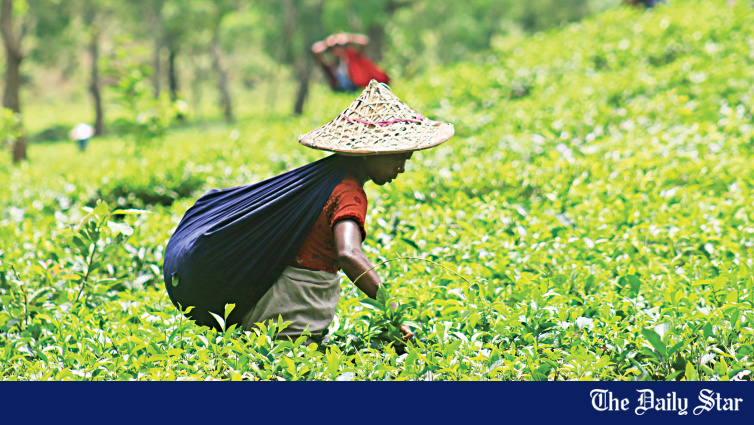
Sylhet, July 25, 2026 — Bangladesh's tea industry is under mounting financial strain as estates grapple with years of losses, high borrowing costs, falling exports, rising production expenses, and low productivity. A government taskforce has now prescribed sweeping reforms to rescue the ailing sector. 🍃
📋 The taskforce identified problems across eight priority areas, made 59 recommendations, and laid out an implementation roadmap covering cheaper credit, tax cuts, debt restructuring, replanting, exports, and investment.
📊 Bangladesh Tea Sector at a Glance
Bangladesh is the world's eighth-largest tea producer, with significant economic and social footprint:
- 🏭 172 tea estates across the country
- 📦 9.49 crore kg of tea produced in 2025
- 👥 102,000 permanent workers employed directly
- 👷 40,000 temporary workers employed seasonally
- 🏠 ~500,000 people live within estate boundaries
- 🌍 World rank: 8th largest tea producer
📉 The Growing Crisis — Selling Below Cost Since 2019
Tea gardens have been selling tea below production costs every year since 2019, according to Bangladesh Tea Association data cited in the taskforce report. 📉
💰 The 2024 numbers tell the story:
- 📊 Production cost: Tk 260 per kg
- 💰 Average auction price: Tk 208.88 per kg
- ❌ Loss per kg: Tk 51.12
📉 Long-term decline indicators:
- 📦 Tea exports down 79% since 2002
- 📈 Production costs up 78.31% over the past decade
- 💵 Auction prices failing to keep pace with rising costs
🏛️ Taskforce Formation and Mandate
The taskforce was formed to address the structural challenges facing the tea sector. After extensive consultation with estate owners, workers, industry experts, and government agencies, the taskforce produced a comprehensive reform plan. 🏛️
📋 The 8 priority areas identified:
- 💰 Cheaper credit — Reduce borrowing costs for tea estates
- 📊 Tax cuts — Reduce the tax burden on the sector
- 🏦 Debt restructuring — Reschedule existing debts to viable terms
- 🌱 Replanting — Replace old, low-yielding tea bushes with new varieties
- 📦 Exports — Boost tea export competitiveness
- 🏭 Investment — Attract fresh capital into the sector
- 👥 Productivity — Improve worker productivity and mechanization
- 🔬 Research and extension — Strengthen tea research and technology transfer
🌱 Replanting — A Long-Term Necessity
Many tea estates have aging tea bushes that produce lower yields. Replanting with high-yielding varieties is essential but requires significant upfront investment that loss-making estates cannot afford. 🌿
📋 Replanting challenges:
- 💰 High upfront cost — New plants take 5-7 years to mature
- 📅 Long payback period — No revenue during maturation
- 🏦 Limited access to financing — Loss-making estates can't borrow
- 👷 Worker transition — Need alternative employment during replanting
📦 Export Decline — 79% Drop Since 2002
The 79% decline in tea exports since 2002 is one of the most alarming statistics in the report. Bangladesh once exported significant quantities of tea but has lost market share to competitors. 📉
🌍 Reasons for export decline:
- 💰 Higher production costs than competitors (Kenya, Sri Lanka, India)
- 📦 Lower quality due to aging bushes and limited modernization
- 🌐 Limited marketing in international markets
- 🏭 Domestic consumption growth absorbing more production
- 💱 Exchange rate competitiveness — Competitors' currencies sometimes more favorable
👥 Social Impact — 500,000+ Lives Affected
The tea sector's crisis affects not just estate owners but over 500,000 people who live within estate boundaries. Many tea workers are generational workers with limited alternative employment options. 👨👩👧👦
⚠️ Social risks if the sector collapses:
- 💼 Mass unemployment — 142,000+ direct jobs at risk
- 🏠 Displacement — Estate residents could lose their homes
- 🎓 Education disruption — Estate schools would close
- 🏥 Healthcare loss — Estate health facilities would shut down
- 🌍 Regional instability — Tea-growing regions (Sylhet, Chattogram) would suffer
🎯 Implementation Roadmap
The taskforce laid out an implementation roadmap covering all 59 recommendations. Key elements include:
- 📅 Immediate actions (0-6 months) — Cheaper credit, tax cuts, debt restructuring
- 🌱 Medium-term (6-24 months) — Replanting programs, productivity improvements
- 📦 Long-term (2-5 years) — Export revival, sector modernization, investment attraction
For Bangladesh's tea sector — a heritage industry that has employed generations of workers — the taskforce's 59 recommendations represent the most comprehensive reform attempt in decades. Whether these reforms can reverse the sector's long decline will depend on political will, financial commitment, and effective implementation. 🍵
This news was originally published by The Daily Star. For the full original report, please visit: https://www.thedailystar.net/business/economy/news/govt-taskforce-prescribes-reforms-ailing-tea-sector-4232246
📬 Get Bangladesh Trade News in your inbox
Weekly digest of export industry news, policy updates, and market analysis.
📰 Related Stories