Bangladesh State Minister Promises Easy-Term Loans For Farmers To Cut Production Costs As 850 Trained In Cattle Feed
Sultan Salauddin Tuku says grass varieties imported from Australia and 850 farmers trained to produce cattle feed at lower cost at Manikganj workshop on Fish Feed and Animal Feed Act implementation.
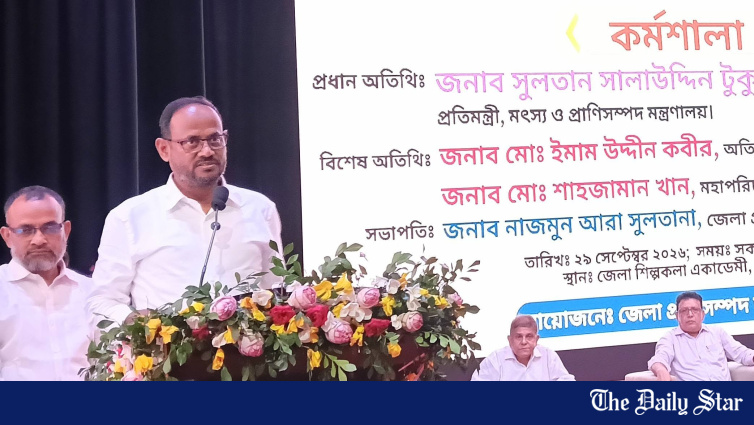
🌾 Bangladesh''s State Minister for Fisheries and Livestock Sultan Salauddin Tuku has promised easy-term loans for farmers to cut production costs, as part of the government''s broader push to support the country''s agricultural sector. He made the remarks while addressing a workshop at the Manikganj District Shilpakala Academy auditorium on the implementation of the Fish Feed and Animal Feed Act, 2010, and strengthening quality control to increase the production of safe animal protein and enhance export capabilities.
📊 "The government is working for the welfare of farmers. Grass varieties have been imported from Australia, and 850 farmers have received training so that they can produce cattle feed at a lower cost," the state minister said. The workshop was presided over by Manikganj Deputy Commissioner Nazmun Ara Sultana. The speakers discussed the production of safe animal-source protein, implementation of laws governing fish and animal feed, strengthening quality control and expanding export opportunities.
🏛 The Fish Feed and Animal Feed Act, 2010
The Fish Feed and Animal Feed Act, 2010 is the primary legislation governing the quality and safety of animal feed in Bangladesh. The Act establishes standards for feed composition, manufacturing practices, labelling, and marketing — and provides for penalties for violations. The implementation of the Act has been a long-standing concern for the Fisheries and Livestock Ministry, as poor quality feed has been linked to reduced animal productivity, food safety risks, and lost export opportunities.
The workshop in Manikganj is part of a broader effort by the ministry to strengthen implementation of the Act across the country. By engaging with district-level stakeholders — including feed manufacturers, livestock farmers, fisheries operators, and local government officials — the ministry aims to build awareness of the Act''s requirements and improve compliance at the ground level. The discussions at the workshop focused on practical steps to ensure that animal feed produced and sold in Bangladesh meets the quality and safety standards required for both domestic consumption and export markets.
👥 The 850 trained farmers and Australian grass imports
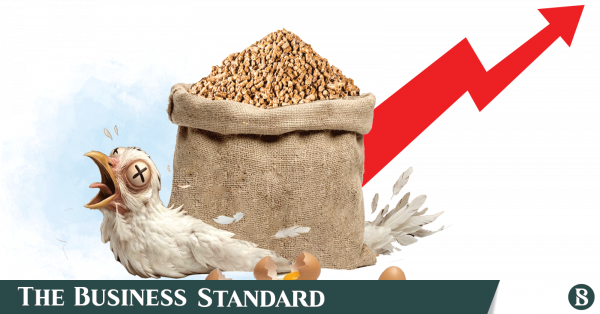
The state minister''s announcement that 850 farmers have received training in cattle feed production, and that grass varieties have been imported from Australia, points to a specific intervention to reduce the cost of cattle feed. Cattle feed is a major input cost for Bangladesh''s livestock farmers — and the cost has been rising in recent years due to higher prices for raw materials such as maize, soybean meal, and rice bran. By training farmers to produce their own cattle feed using imported grass varieties, the government hopes to reduce the cost of feed and improve the profitability of livestock farming.
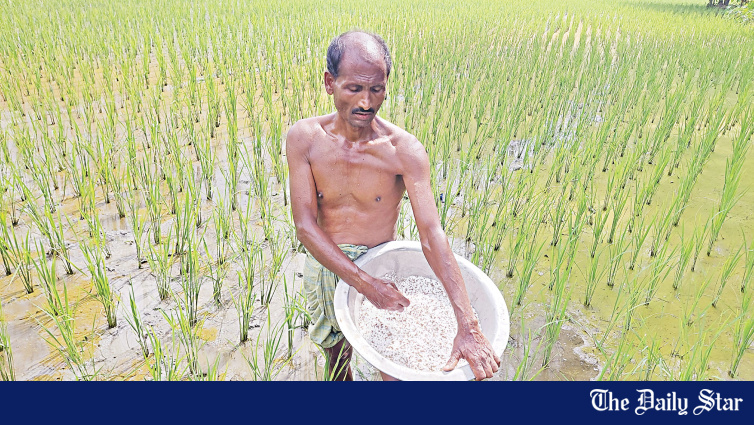
The Australian grass varieties are particularly significant because Australia has developed pasture grasses that are well-suited to subtropical climates and that provide high nutritional value for livestock. By importing these varieties and training farmers in their cultivation, Bangladesh can develop a more sustainable domestic source of cattle feed — reducing dependence on imported feed ingredients and supporting the growth of the domestic livestock sector.
💰 Easy-term loans for farmers
The promise of easy-term loans for farmers addresses one of the long-standing constraints on Bangladesh''s agricultural sector — access to affordable credit. Despite the importance of agriculture to the country''s economy and food security, farmers have historically faced challenges in accessing formal credit at reasonable interest rates. Many farmers rely on informal lenders who charge usurious interest rates, or on agricultural input dealers who provide credit in kind (e.g., seeds and fertilisers) at inflated prices.
The government has been working to address this through various agricultural credit programmes operated by state-owned and private commercial banks. Bangladesh Bank sets annual agricultural credit disbursement targets for the banking sector, and the central bank has also established refinance schemes that allow banks to access concessional funding for agricultural lending. The state minister''s promise of easy-term loans likely refers to an expansion or enhancement of these existing programmes — though the specific details were not announced at the workshop.
🌏 Safe animal protein and export opportunities
The workshop''s focus on safe animal-source protein and export opportunities reflects Bangladesh''s broader ambition to develop its livestock and fisheries sectors as export industries. Bangladesh has historically been a minor player in global meat and seafood trade, but the government has identified halal meat exports, shrimp exports, and fish exports as potential growth areas that could diversify the country''s export basket beyond readymade garments.
To access these export markets, however, Bangladesh''s livestock and fisheries sectors need to meet stringent international food safety and quality standards. This includes ensuring that animal feed is free from contaminants such as aflatoxins, heavy metals, and prohibited additives. The implementation of the Fish Feed and Animal Feed Act is therefore directly linked to Bangladesh''s export ambitions — without proper feed quality control, the country''s livestock and fisheries products cannot meet the standards required by major export destinations such as the EU, Middle East, and East Asia.
🤝 Looking ahead for Bangladesh''s agricultural sector
For Bangladesh''s broader agricultural development, the workshop''s outcomes point to several priorities. First, the implementation of the Fish Feed and Animal Feed Act needs to be strengthened across the country — not just through workshops and awareness campaigns, but through effective enforcement, testing, and penalties for violations. Second, the training of farmers in cattle feed production needs to be scaled up significantly beyond the 850 farmers trained so far, with a particular focus on smallholder farmers who have the most to gain from reduced feed costs.
Third, the easy-term loans promised by the state minister need to be designed in a way that actually reaches smallholder farmers — who often face the greatest barriers in accessing formal credit despite being the most in need. Fourth, the development of export markets for Bangladeshi livestock and fisheries products needs to be supported by investments in testing, certification, and market development infrastructure.
The Manikganj workshop is a small but meaningful step in Bangladesh''s broader agricultural modernisation agenda. The coming months will show whether the government''s promises translate into concrete actions that improve the lives and livelihoods of the country''s millions of farmers — and whether Bangladesh can begin to realise the export potential of its livestock and fisheries sectors.
This news was originally published by The Daily Star. For the full original report, please visit: https://www.thedailystar.net/business/agriculture/news/state-minister-promises-easy-term-loans-farmers-cut-production-costs-4286046
📬 Get Bangladesh Trade News in your inbox
Weekly digest of export industry news, policy updates, and market analysis.
📰 Related Stories