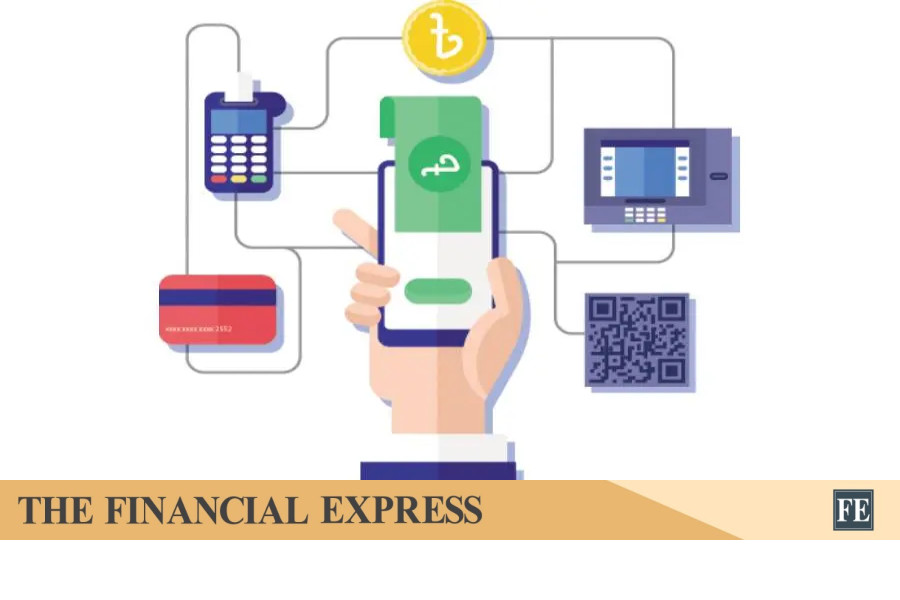
Bangladesh Bank Opens Door to PayPal and Payoneer with New Cross-Border Payment Framework
Central bank introduces bank-intermediary digital payment system enabling DVAs, $300 per-transaction limit, and seamless foreign earnings repatriation for exporters and freelancers
Dhaka, July 29, 2026 — Bangladesh Bank has taken a landmark step toward modernising the country's digital payment infrastructure by introducing a new bank-intermediary framework that clears the path for international payment services like PayPal and Payoneer to launch operations in Bangladesh. 🏦 The move, formalised through a circular issued by the Foreign Exchange Policy Department on Wednesday, aims to facilitate international trade in services, expand digital financial inclusion, and bring the country's cross-border payment systems in line with global standards.
💳 Under the new framework, banks in Bangladesh will be permitted to jointly offer international digital payment services by signing agreements with foreign payment service providers, digital platforms, online payment gateway service providers, and other legitimate payment solution providers. The central bank refers to these entities as cross-border digital payment service providers, signalling a structured and regulated approach to opening up the sector.
🔧 How the Digital Value Account (DVA) System Works
🔐 According to the Bangladesh Bank directive, banks will be allowed to facilitate the opening of digital wallets or stored-value accounts, called Digital Value Accounts (DVAs), in the names of customers. However, these individual accounts will not be operated directly or independently — each must be linked to a Master DVA or settlement account maintained under the respective bank to ensure security and regulatory oversight.
📊 To maintain transparency, banks have been instructed to:
- 📡 Ensure real-time monitoring through their internal systems
- 📝 Maintain a parallel ledger for all DVA transactions
- 🏦 Keep unused funds under direct bank control
- 🔄 Refund or adjust unused funds in accordance with regulations
💼 What the Service Can Be Used For
🌐 Under the new framework, individuals, businesses, and freelancers will be able to conduct transactions in foreign currency. The digital wallet facility covers several important use cases:
- ✈️ Foreign exchange transactions under personal, medical, or official travel quotas
- 🛒 International payments up to US$300 per transaction for small online purchases or fee payments
- 💳 Membership fees for professional bodies and platforms
- 💻 IT-related expenses including software subscriptions and SaaS tools
- 🛂 Visa processing fees for overseas travel and work permits
- 🏨 Online hotel bookings for domestic and international travel
🚀 Benefits for Exporters, Freelancers, and E-Commerce
📈 The facility will be available against Export Retention Quota (ERQ) and Resident Foreign Currency Deposit (RFCD) accounts, making it particularly valuable for businesses and professionals who earn foreign currency. Key benefits include:
- 🏢 Institutions holding ERQ accounts can allow up to three senior officials to use DVA accounts for business-related expenses
- 👨💻 Freelancers can repatriate foreign earnings to Bangladesh more easily and cost-effectively
- 🛍️ E-commerce businesses can receive international payments without relying on expensive intermediaries
- 🌍 Foreign tourists visiting Bangladesh can use the settlement facility to make payments at local merchant outlets
📋 Compliance and Regulatory Requirements
⚖️ Bangladesh Bank has emphasised that banks must obtain prior approval or recognition from the Foreign Exchange Policy Department before launching any service under this framework. Banks are required to submit detailed information on their:
- 🖥️ Technical infrastructure and security framework
- 🔐 Anti-money laundering (AML) compliance protocols
- 👤 Customer due diligence (CDD) requirements
- 📊 Regular transaction reports to be submitted to Bangladesh Bank
🎯 Strategic Context and Industry Impact
🏛️ This initiative represents a significant shift in Bangladesh's approach to international digital payments. The country's large and growing freelance workforce — consistently ranked among the top globally — has long faced challenges in receiving international payments, often relying on informal channels or expensive third-party services. The new framework directly addresses this pain point.
💰 For the export sector, particularly IT and IT-enabled services (ITeS), the development is particularly significant. Bangladesh's IT export industry has been growing steadily, and seamless cross-border payment infrastructure is expected to:
- 📊 Reduce transaction costs for exporters receiving foreign payments
- ⚡ Speed up settlement times from days to near-instant
- 🌐 Expand market access for Bangladeshi service providers globally
- 💼 Attract more foreign investment in the digital economy
🔮 What Comes Next
📝 While the framework is now in place, actual service rollout will depend on individual banks negotiating partnerships with PayPal, Payoneer, and other international providers. Industry observers expect the first services to launch within 3 to 6 months, once banks complete their technical preparations and receive regulatory approval.
🤝 The central bank's proactive approach signals its commitment to positioning Bangladesh as a competitive player in the global digital economy. As the country prepares for LDC graduation and seeks to diversify its export base beyond ready-made garments, modern payment infrastructure will play a crucial role in unlocking new avenues of economic growth and international trade.
This news was originally published by Prothom Alo. For the full original report, please visit: https://en.prothomalo.com/business/local/lxga62dv91
📬 Get Bangladesh Trade News in your inbox
Weekly digest of export industry news, policy updates, and market analysis.
📰 Related Stories