Bangladesh Govt Raises Fertiliser Dealer Commission To Tk 3 Per Kg
First commission increase since 2009 raises dealer margins from Tk 2 to Tk 3 per kg, while dealer-level prices cut by Tk 1 across urea, DAP, TSP and MOP to keep farmer prices stable
🌾 The Bangladesh government has raised the commission for fertiliser dealers from Tk 2 to Tk 3 per kilogramme, marking the first increase in dealer margins since 2009. The order, issued by the Finance Division, follows a letter from the Ministry of Agriculture dated September 14, and the enhanced commission based on the newly fixed dealer-level prices will take effect from July 1, 2027.
📊 Shahnaz Akhter, agriculture economist for fertiliser management and monitoring at the Ministry of Agriculture, confirmed the revision. Dealers had long been demanding this increase, citing rising loading and unloading costs as their primary justification. Dealer commission has not been increased since 2009, Shahnaz added — a 17-year freeze that had progressively eroded dealer profitability amid inflation in transport, labour and operational costs.
💰 Revised Price Structure Across Fertiliser Types
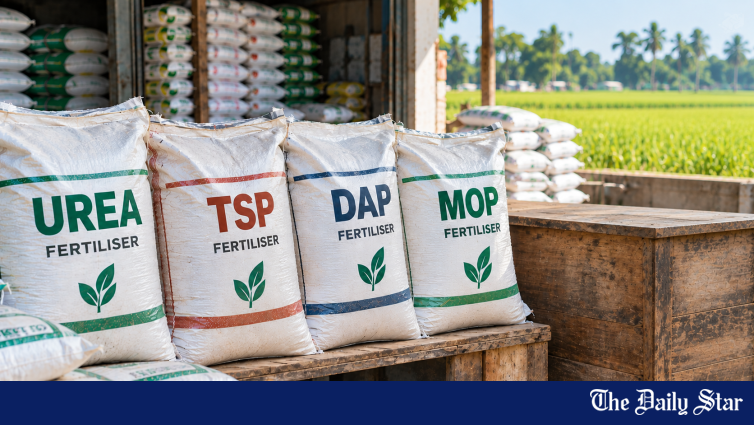
Under the revised rates, the dealer-level price of urea has been reduced from Tk 25 to Tk 24 per kg, while the farmer-level price remains unchanged at Tk 27 per kg. Similarly, the dealer-level price of DAP has been lowered from Tk 19 to Tk 18 per kg, with the farmer-level price staying at Tk 21 per kg. For TSP, the dealer-level price has been cut from Tk 25 to Tk 24 per kg, keeping the farmer-level price steady at Tk 27 per kg. For MOP, the dealer-level price has come down from Tk 18 to Tk 17 per kg, with farmers continuing to pay Tk 20 per kg.
- 💰 Urea: Dealer price Tk 25 → Tk 24/kg; Farmer price Tk 27/kg (unchanged)
- 💰 DAP: Dealer price Tk 19 → Tk 18/kg; Farmer price Tk 21/kg (unchanged)
- 💰 TSP: Dealer price Tk 25 → Tk 24/kg; Farmer price Tk 27/kg (unchanged)
- 💰 MOP: Dealer price Tk 18 → Tk 17/kg; Farmer price Tk 20/kg (unchanged)
- 💰 Dealer commission: Tk 2 → Tk 3/kg (first increase since 2009)
- 📅 Effective date: July 1, 2027
📜 Strategy: Dealer Margin Up, Farmer Price Stable
The government's pricing strategy is structurally sophisticated: by cutting the dealer-level price by Tk 1 per kg across all fertiliser types while simultaneously increasing the dealer commission by Tk 1 per kg, the government has effectively transferred the margin from the government subsidy to the dealer without increasing the final price paid by farmers. The farmer-level prices remain unchanged, ensuring that the commission increase does not translate into higher input costs for agricultural producers.
This approach addresses two competing concerns simultaneously. First, dealers had been demanding higher commissions for years, arguing that the Tk 2 per kg margin had become economically unviable given rising transport, storage and handling costs. Second, the government is keenly aware that any increase in farmer-level fertiliser prices would feed directly into agricultural production costs, potentially affecting food inflation and farmer profitability at a time when the broader economy is already grappling with elevated inflation.
⚠ Special Branch Report: Artificial Shortage And Hoarding
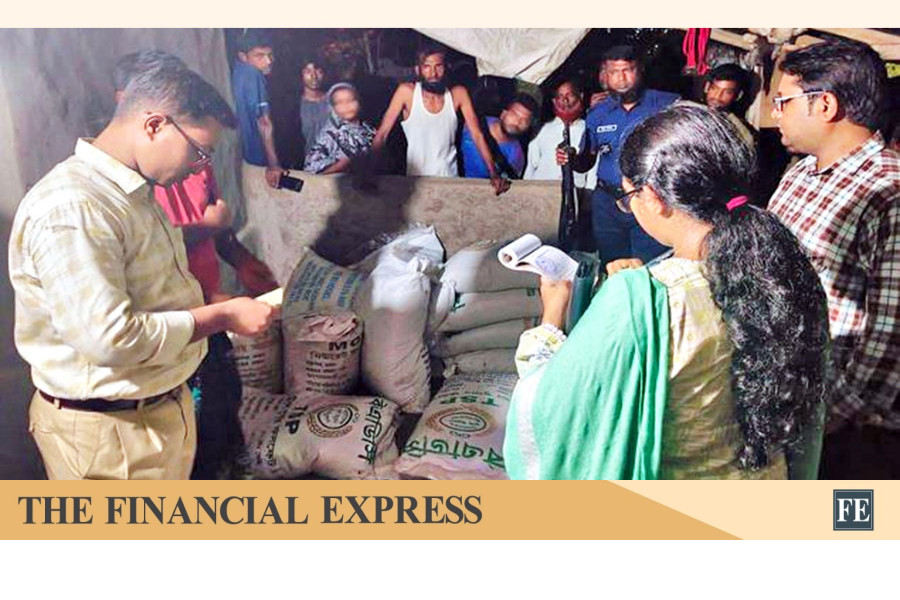
However, a report prepared by the Special Branch of the police claimed that alleged collusion among dealers and retailers to hike fertiliser prices by "creating an artificial shortage" through hoarding and supply control is causing discontent among farmers. The report was sent to the Home Ministry on September 8 for further action, along with 15 recommendations aimed at addressing the issues identified.
The Special Branch report called for ensuring a transparent and competitive process free from political and local influence in appointing dealers, selecting dealers through a digital lottery based on merit, online monitoring of dealers' fertiliser stocks and distribution, and taking swift legal action, including cancellation of dealerships, if irregularities are found. The 15 recommendations provide a comprehensive framework for reforming fertiliser distribution — addressing the structural vulnerabilities that have allowed hoarding and price manipulation to persist.
🌏 Strategic Context: Agriculture Sector Support
For Bangladesh's broader agricultural strategy, the commission increase and price restructuring carry strategic significance. Fertiliser is the single most important purchased input for Bangladeshi farmers, accounting for a significant share of total production costs across all major crops including rice, wheat, jute, vegetables and pulses. The government's commitment to maintaining farmer-level prices — even as it increases dealer margins — signals continued prioritisation of agricultural input affordability, which is critical for sustaining domestic food production and supporting farmer welfare.
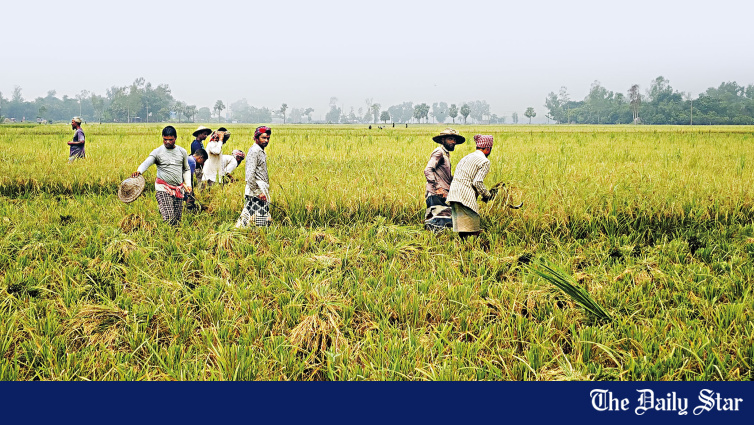
The timing of the commission increase — coming ahead of the Aman rice season (transplanted in July-August and harvested in November-December) — aligns with peak fertiliser demand. With the new commission structure taking effect from July 1, 2027, dealers will have enhanced incentives to ensure adequate fertiliser supply during the critical planting and growing periods, potentially reducing the supply bottlenecks that have historically constrained agricultural productivity.
The Special Branch report's recommendations — particularly the call for digital lottery-based dealer selection and online stock monitoring — would, if implemented, address the structural vulnerabilities in the fertiliser distribution system that have enabled hoarding. The combination of higher dealer margins (incentivising legitimate distribution) and stricter enforcement (deterring manipulation) represents a balanced policy approach to ensuring fertiliser availability at stable prices for Bangladesh's farming community.
This news was originally published by The Daily Star. For the full original report, please visit: https://www.thedailystar.net/business/news/govt-raises-fertiliser-dealer-commission-4273611
Related on BangladeshExport
📬 Get Bangladesh Trade News in your inbox
Weekly digest of export industry news, policy updates, and market analysis.
📰 Related Stories