Bangladesh Bans Hilsa Fishing For 22 Days From October 8 For Conservation
National Taskforce bans all hilsa catching, transport and sale during peak breeding season; VGF food assistance for affected fishermen
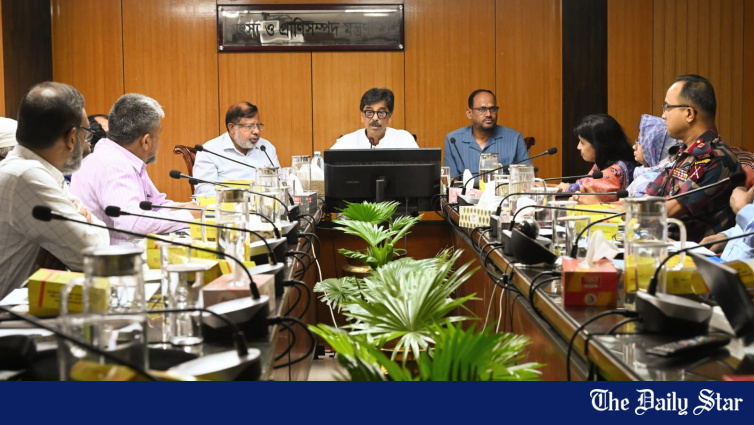
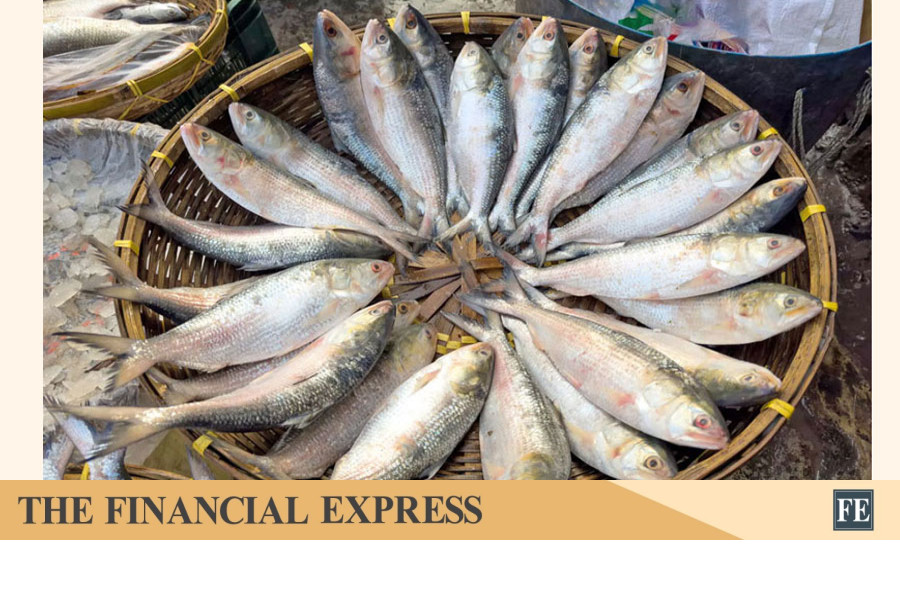
🐟 Bangladesh has imposed a 22-day ban on hilsa fishing starting October 8, as part of the annual Mother Hilsa Conservation Campaign aimed at protecting the species during its peak breeding season. The decision was taken at a meeting of the National Taskforce Committee on Hilsa Resource Development at the Secretariat in Dhaka to finalise the fishing ban period and implement the conservation campaign for 2026, according to a press release.
📊 During the ban, transportation, stockpiling, marketing, buying, selling, and exchange of hilsa will be prohibited across the country. The comprehensive prohibition covers the entire hilsa value chain — from catch to consumer — ensuring that no hilsa enters the market during the breeding period, which is when mother hilsa carry eggs and are most vulnerable to overfishing.
🏛 Minister's Strong Stance On Conservation
Fisheries, Livestock and Agriculture Minister Mohammed Aminur Rashid said no compromise would be made in protecting mother hilsa, and called for intensified monitoring in major breeding grounds including Barishal, Chandpur, and Bhola. He said the district administration, Bangladesh Coast Guard, and fisheries department must work together to strictly enforce the ban, adding that extra vessels and logistical support would be deployed to hotspots if needed.
The minister's directive for multi-agency enforcement — bringing together district administrations, the Coast Guard and fisheries department — reflects the government's recognition that previous bans have been undermined by inadequate enforcement. The reference to "extra vessels and logistical support" for hotspots signals operational readiness to deploy additional patrol capacity to the most critical breeding areas, particularly in the Barishal-Chandpur-Bhola corridor that accounts for the majority of hilsa catches.
- 📅 Ban period: October 8-29, 2026 (22 days)
- 🐟 Species: Mother hilsa (breeding season protection)
- 🚫 Prohibited: Catching, transport, stockpiling, marketing, buying, selling, exchange
- 📍 Key breeding grounds: Barishal, Chandpur, Bhola
- 🏛 Enforcement: District administration + Coast Guard + Fisheries department
- 💵 Fisherman support: VGF food assistance during ban period
📜 State Minister's Call For Research On Declining Production
State Minister for Fisheries and Livestock Sultan Salahuddin Tuku said research must identify why hilsa production is declining, while stressing the need to curb the production and sale of banned fishing nets. The reference to declining production is significant — despite annual conservation campaigns, hilsa catches have been under pressure from multiple factors including overfishing, habitat degradation, climate change impacts on breeding cycles, and the proliferation of banned fishing nets that catch juvenile hilsa before they can reproduce.
The call for research to identify the causes of declining production signals recognition that the annual fishing ban alone — while necessary — is insufficient to ensure hilsa sustainability. The broader research agenda would need to address upstream factors including river pollution, changes in water salinity and temperature, disruption of migration routes, and the impact of upstream water withdrawal on downstream hilsa habitats.
💵 VGF Food Assistance For Affected Fishermen
The government will provide VGF (Vulnerable Group Feeding) food assistance to fishermen who refrain from fishing during this period. The VGF support is critical for the economic sustainability of the conservation programme — without alternative income or food support during the 22-day ban, subsistence fishermen would face severe economic hardship, creating pressure to violate the ban and undermining conservation objectives.
The VGF programme for hilsa fishermen represents a structured approach to balancing conservation imperatives with livelihood protection. The 22-day ban period coincides with the peak breeding season for hilsa (typically October in Bangladesh's aquatic ecosystem), when mother hilsa migrate from the Bay of Bengal into riverine systems to spawn. Protecting these breeding fish during this critical window is essential for sustaining the hilsa population that supports both domestic consumption and the export trade.
🌏 Strategic Context: Hilsa As National Fish And Economic Asset
For Bangladesh's broader economy, hilsa conservation carries significance beyond its cultural status as the national fish. Hilsa supports a substantial fishing community along the coastal belt — from Patuakhali to Cox's Bazar — and contributes meaningfully to the country's fish protein supply. The species also has export potential, particularly to India where demand for Bangladeshi hilsa peaks during the Durga Puja festival season.
The annual conservation campaign — now in its 12th year — has contributed to a gradual recovery in hilsa production from the severe declines of the early 2010s. However, the state minister's acknowledgement that production is again declining suggests that the conservation model may need to evolve beyond the annual fishing ban to address structural threats to hilsa habitats and breeding cycles.
The coming months will reveal whether the 2026 conservation campaign — with its multi-agency enforcement, VGF support and research mandate — can reverse the production decline and sustain the hilsa population that is so central to Bangladesh's aquatic biodiversity, fishing economy and cultural identity.
This news was originally published by The Daily Star. For the full original report, please visit: https://www.thedailystar.net/business/news/hilsa-fishing-banned-22-days-oct-8-4273406
📬 Get Bangladesh Trade News in your inbox
Weekly digest of export industry news, policy updates, and market analysis.
📰 Related Stories