Gas Crisis Halves Bangladesh Textile Output as BGMEA, BKMEA and BTMA Seek Urgent Action
Acute gas shortage following LNG terminal shutdown cuts mill output by 50%, disrupts RMG production, and threatens export shipment deadlines as industry leaders meet Prime Minister Tarique Rahman
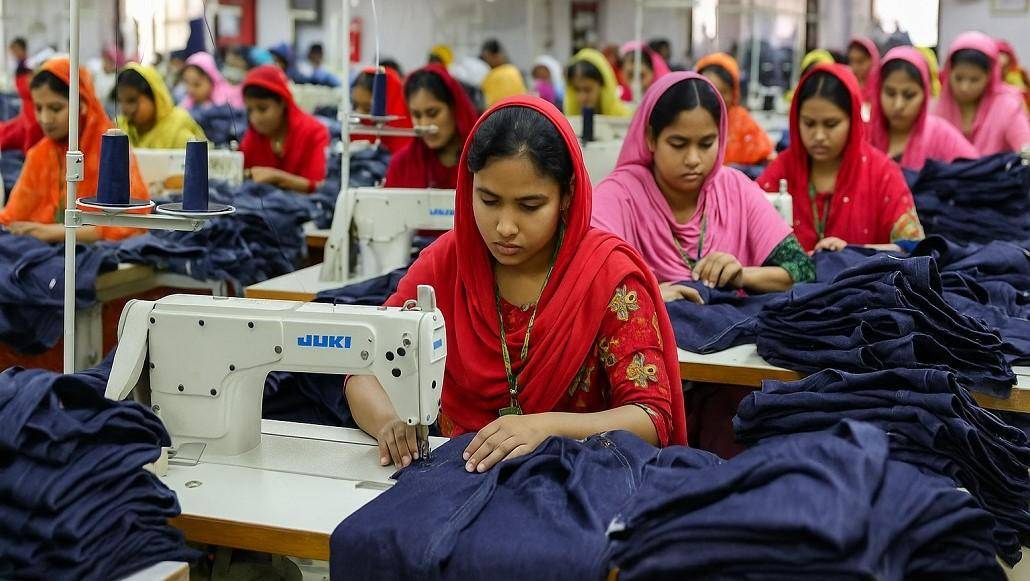
Dhaka, July 30, 2026 — Bangladesh's textile and apparel industry is reeling from an acute gas crisis that has cut mill production by nearly half over the past week, threatening export shipment deadlines and raising urgent concerns across the country's $25 billion primary textile sector. 🔥 Industry leaders from BGMEA, BKMEA, and BTMA have escalated the crisis to Prime Minister Tarique Rahman, seeking immediate government intervention to restore gas supply to export-oriented factories.
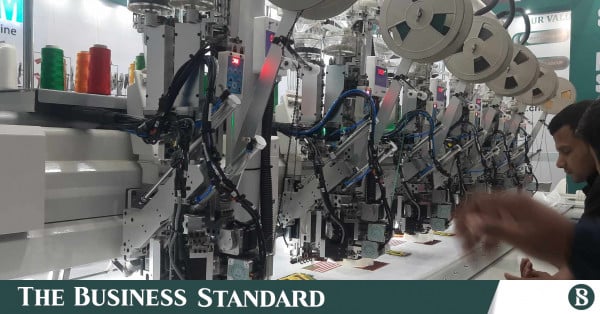
🏭 The gas shortage follows the shutdown of an LNG terminal in Moheshkhali, which has severely disrupted industrial operations across the country. The crisis has hit textile mills, garment factories, and knitwear manufacturers simultaneously, creating a cascading effect on Bangladesh's export production capacity. The Bangladesh Textile Mills Association (BTMA) reports that mill production has dropped by approximately 50 percent over the past week alone. 📉
🤝 BTMA Meets Prime Minister Seeking Urgent Action
🏛️ Leaders of the Bangladesh Textile Mills Association (BTMA), led by President Showkat Aziz Russell, met with Prime Minister Tarique Rahman at his office in Dhaka to discuss the crisis. The meeting addressed multiple challenges facing the nearly $25 billion primary textile sector:
- 🔥 Gas shortage — the most pressing issue, cutting production by half
- 🛡️ Business safety concerns raised by millers
- 📦 Cheap yarn imports undercutting domestic production
- 🏦 Troubled banking sector affecting industrial financing
- 💸 High interest rates increasing operational costs
📋 After the meeting, BTMA President Showkat Aziz Russell confirmed that the Prime Minister assured them the government is working to install two additional floating storage and regasification units (FSRUs) to improve gas supply. The BTMA president said the association will hold another meeting with the Prime Minister within the next few weeks, with leaders of BGMEA and BKMEA also expected to join. 🤝
👕 BGMEA and BKMEA Urge CNG Access for Garment Factories
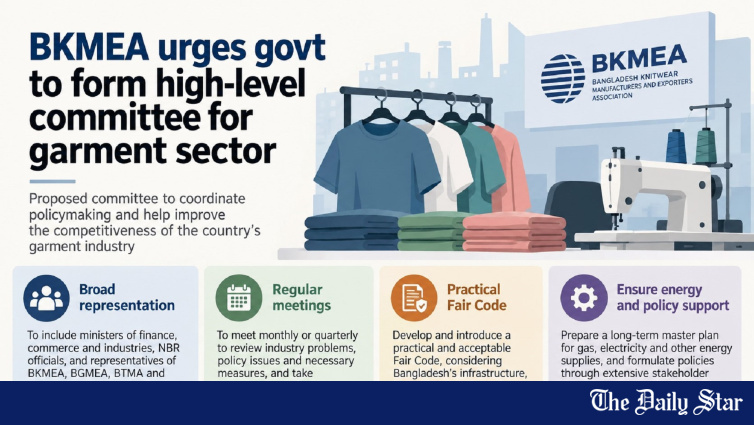
🏗️ In parallel, the Bangladesh Garment Manufacturers and Exporters Association (BGMEA) and the Bangladesh Knitwear Manufacturers and Exporters Association (BKMEA) have urgently requested government permission for export-oriented garment factories to procure CNG from filling stations to maintain production amid the gas shortage.
📮 In separate letters and communications on July 28, the apparel trade bodies requested that factories be permitted to collect gas through cylinders from CNG filling stations until the national gas supply situation improves. BGMEA President Mahmud Hasan Khan warned:
"The gas crisis following the shutdown of an LNG terminal in Moheshkhali has severely affected industrial operations. Prolonged disruptions could prevent factories from maintaining production and meeting shipment deadlines set by international buyers."
⚠️ The move has become critical as low gas pressure is disrupting production at garment factories, with some industrial units reportedly experiencing zero PSI gas pressure — a complete halt in supply. 🏭
⚙️ CNG Filling Station Dispute and Resolution
📋 The garment factories' request followed a July 27 directive from Titas Gas Transmission and Distribution Company instructing CNG stations to stop supplying gas to open cylinders or gas cascade cylinders not mounted on authorized vehicles. Titas cited safety concerns and violations of the Gas Act 2010 and Gas Distribution Rules 2026. ⚖️
🔧 However, BKMEA President Mohammad Hatem discussed the issue with the Secretary of the Energy and Mineral Resources Division, highlighting the potential impact of gas shortages on export-oriented industrial production. Following the discussion, Energy Secretary Mohammad Saiful Islam instructed the Managing Director of Titas Gas to ensure that export-oriented factories could continue collecting gas from CNG filling stations as before. ✅
💼 Farhan Noor, Secretary General of the Bangladesh CNG Filling Station and Conversion Workshop Owners Association, confirmed that station owners are continuing to supply gas to garment factories considering the current situation. He acknowledged that such sales are not technically permitted but are being allowed due to the urgent need to keep factories running. 🏪
📅 Crisis Timeline: Expected to Continue Until August 8
📈 BKMEA has advised its member factories to:
- ✅ Comply with all safety and government requirements while collecting gas from CNG stations
- ⚡ Operate LMG (Liquefied/Local Mobile Gas) systems at full capacity to minimise production disruptions
- 📋 Plan for the crisis to continue until August 8, 2026, after which gas supply is expected to return to normal
🏭 Several factories have already been buying CNG from nearby filling stations to keep production running. However, repeated disruptions have made this alternative source unreliable, according to industry sources.
💰 Impact on Bangladesh's Export Economy
🌏 The gas crisis poses a significant threat to Bangladesh's export competitiveness at a critical time. The country's apparel industry, which accounts for over 80 percent of merchandise exports, is already facing pressure from:
- 📉 Weak global demand in key markets (US, EU)
- 💸 Rising energy costs increasing production expenses
- 🔄 Supply chain disruptions from global shipping challenges
- 📊 Competition from Vietnam, India, and other Asian manufacturers
📊 Industry leaders fear that prolonged gas disruptions could affect production schedules, shipment deadlines, and export competitiveness, particularly if the shortage persists beyond the expected August 8 resolution date. The crisis underscores the vulnerability of Bangladesh's export economy to energy infrastructure failures and highlights the urgent need for diversified energy sources and improved gas storage capacity. 🎯
🔮 Government Response and Next Steps
🏛️ The Prime Minister's Office has formed a committee to work on the development of the textile sector in consultation with industry stakeholders. The government's commitment to installing two additional FSRUs represents a medium-term solution, but industry leaders are seeking immediate relief to bridge the gap until those units become operational.
📝 The crisis has also renewed calls for energy sector reform, with experts arguing that Bangladesh must diversify its energy mix, invest in renewable energy, and improve the resilience of its LNG import infrastructure to prevent similar disruptions in the future. The Policy Research Institute (PRI) has previously recommended six bold reforms for Bangladesh's energy sector, and the current crisis may accelerate those recommendations. ⚡
This news was originally published by Textile Today. For the full original report, please visit: https://textiletoday.com.bd/textile-millers-seek-urgent-action-as-gas-crisis-cuts-production
Related on BangladeshExport
📬 Get Bangladesh Trade News in your inbox
Weekly digest of export industry news, policy updates, and market analysis.
📰 Related Stories