Bangladesh to Conduct First-Ever Watercraft Census August 20-29 to Revive Inland Water Transport
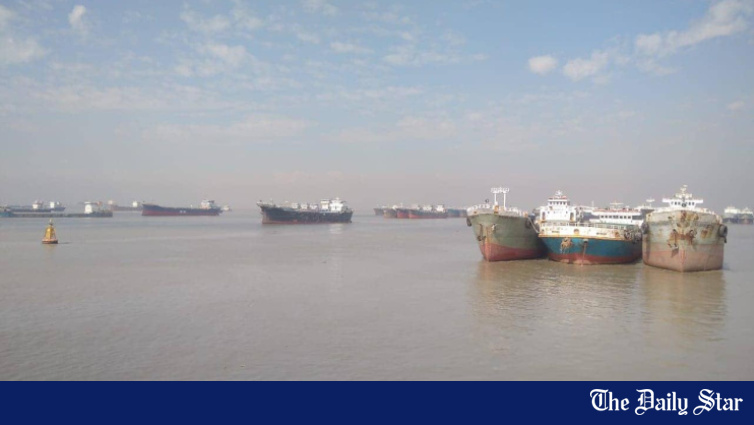
Dhaka, August 12, 2026 — Bangladesh is set to launch its first-ever nationwide census of watercraft on August 20, a landmark exercise aimed at reviving the country's long-neglected inland water transport sector and unlocking its underutilised economic potential. The nine-day survey, running through August 29, will be jointly conducted by the Ministry of Shipping and the Bangladesh Bureau of Statistics (BBS), with field operations coordinated from the BBS headquarters in Dhaka.
🚢 A Riverine Nation's Long Overdue Reckoning
Bangladesh sits on the world's largest delta, threaded by an extensive network of rivers, canals, and tidal waterways that historically carried the bulk of the country's passenger and freight traffic. Yet decades of policy neglect, silting, and illegal encroachment have steadily eroded the share of water transport in the national logistics mix — even as road congestion worsens and transport costs climb.
The census aims to plug a critical data gap. Until now, policymakers have relied on fragmentary registration records and ad-hoc estimates. The new survey will produce a comprehensive baseline covering the actual volume, categories, usage patterns, and ownership structures of vessels operating across the country — from ocean-going cargo ships down to the traditional country boats that still ply rural waterways in their tens of thousands.
📊 The Numbers Behind the Decline
The data presented at the launch event paints a stark picture of sectoral decline:
- 🌊 24,000 km — historical national canal network; today more than 55 percent of navigable waterways are silted or illegally encroached upon
- 📉 0.4 percent — water transport's contribution to GDP in FY25, down sharply from 3.3 percent in FY1980
- 🚦 6,200 km — currently navigable during the dry season, expanding to 8,000 km during the monsoon
- 👥 8–16 percent — share of total passenger and freight traffic handled by waterways, per the 8th Five-Year Plan
- 🚚 ~50 percent — share of total transport-sector employment supported by traditional country boats
- 📦 Critical link — the network serves as a strategic artery for import and export cargo moving through the seaports of Chattogram and Mongla
For an export economy that moves over 90 percent of its containerised trade through Chattogram Port alone, the slow asphyxiation of inland waterways has direct implications for landed costs, lead times, and supply chain resilience.
🏛️ Political Backing at the Highest Level
State Minister for Shipping Md Razib Ahsan, inaugurating a three-day training programme for field-level coordinators at the BBS headquarters in Dhaka yesterday, framed the census as a turning point. “Bangladesh is a riverine nation whose economy, trade, and local livelihoods remain deeply tied to its waterways. Yet, we have failed to fully capitalise on this potential,” he said.
State Minister for Planning Zonayed Abdur Roufi echoed the urgency, emphasising the need for data integrity and neutrality throughout the census. The dataset, once finalised, will form the backbone of a national water transport master plan — informing everything from dredging priorities to fleet modernisation incentives.
🚧 Restoration Plan: 20,000 km of Canals
The census is the latest in a series of government moves to arrest the sector's decline. Earlier this year, the government announced plans to excavate 20,000 kilometres of canals nationwide — a project designed to restore canal interconnectivity and maximise the benefits of water transport. Together with the census, the canal revival signals the most ambitious waterborne logistics push in decades.
Shipping Minister Shaikh Rabiul Alam, speaking in parliament this past June, confirmed that Bangladesh retains 6,200 kilometres of navigable waterways during the dry season, expanding to 8,000 kilometres during the monsoon. The gap between historical capacity and current navigability underscores the scale of the restoration challenge — and the prize if it succeeds.
💼 Why Water Transport Matters for Exporters
For Bangladesh's export community, the waterway revival carries tangible stakes:
- 💰 Lower freight costs — waterborne freight is typically 60–70 percent cheaper per tonne-kilometre than road transport
- 🚢 Port connectivity — inland water transport offers direct last-mile links to Chattogram and Mongla ports, bypassing road congestion
- 🌾 Agro-logistics — perishables benefit from cooler, gentler waterborne transport
- 🛏️ Reduced road wear — shifting freight off roads extends highway lifespans and cuts maintenance budgets
- 🌏 Climate resilience — water transport produces roughly one-quarter the carbon emissions of equivalent road freight
As Bangladesh prepares for LDC graduation and faces intensifying pressure to decarbonise its export supply chains, a revitalised waterway network could become a quiet but powerful competitive advantage — especially for bulk cargo, jute, agro-processors, and leather exporters with consolidation points near riverine hubs.
🌐 Strategic Context: A Pivot Long Overdue
The launch of the census arrives at a strategic moment. With road networks buckling under the weight of rapid urbanisation and the Padma Bridge opening new trans-regional connectivity, the case for rebalancing the modal mix has never been stronger. The World Bank and Asian Development Bank have both flagged Bangladesh's overreliance on road freight as a structural drag on competitiveness.
State Minister Razib was blunt about the urgency. “Mounting pressure on road networks makes water transport an urgent priority. It is possible to make the country's economy more dynamic by using waterways more effectively for business, freight, passenger transportation, and tourism.” The next nine days of enumeration — mundane as they may sound — could lay the empirical foundation for one of the most consequential logistics pivots in Bangladesh's post-independence economic history.
This news was originally published by The Daily Star. For the full original report, please visit: https://www.thedailystar.net/business/economy/news/bangladesh-carry-out-first-ever-watercraft-census-4245541
📬 Get Bangladesh Trade News in your inbox
Weekly digest of export industry news, policy updates, and market analysis.
📰 Related Stories