Bangladesh Bank Eases Foreign Borrowing Rules for Foreign-Owned Companies
Fully foreign-owned enterprises can now borrow from parent firms, affiliates, and shareholders at up to 3% interest; interest-free working capital loans available without prior approval for short-term needs
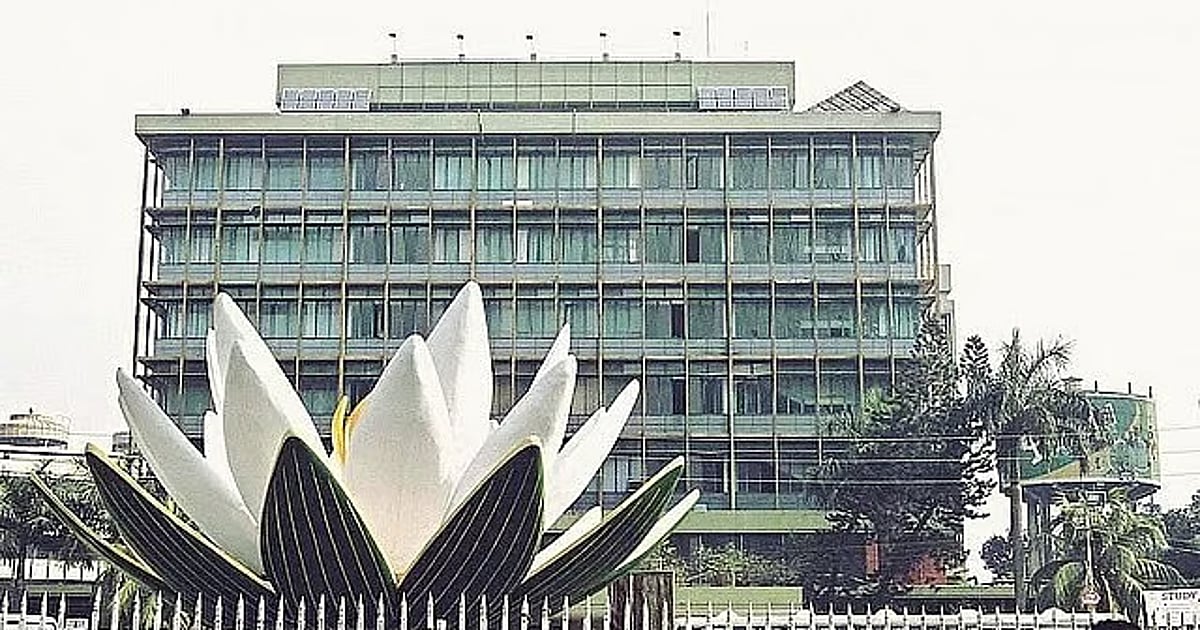
Dhaka, July 15, 2026 — Bangladesh Bank (BB) has eased foreign borrowing regulations for fully foreign-owned companies, allowing them to more easily obtain loans from their parent firms, affiliate enterprises, and shareholders. The central bank issued a circular to this effect today, aiming to attract more foreign direct investment (FDI) into Bangladesh. 💰
🏭 According to industry insiders, this new initiative will guarantee low-cost foreign financing for foreign-owned industrial enterprises, which in turn will help attract more FDI into Bangladesh — a critical need as the country targets $15 billion in annual FDI by 2030.
📋 Who Is Eligible?
According to the Bangladesh Bank circular, the following entities will benefit from this facility:
- 🏭 Fully foreign-owned industrial enterprises — Operating in manufacturing and service sectors
- 📍 Within specialised zones — Export Processing Zones (EPZs), Economic Zones (EZs), and High-Tech Parks
- 📍 Outside specialised zones — Also eligible if fully foreign-owned
💰 Loan Terms and Conditions
📅 Short-Term Loans (Maturity Less Than 1 Year)
- 💵 Interest-free loans for working capital — Enterprises located outside specialised zones can secure these without requiring prior approval from the central bank
- 📊 Interest-bearing loans — Maximum annual all-in-cost rate of 3% for business requirements including raw material procurement
- 💰 Repayment — Single lump sum upon maturity
- 🔄 Rollover — Maximum of three years
📅 Medium-Term Loans (1 to 5 Years)
- 💵 Interest-free loans — Up to USD 50 million for capital expenditure
- 📊 Interest-bearing loans — Up to USD 5 million for capital expenditure
- 🏭 Eligible uses — Machinery, equipment, and construction work
📅 Long-Term Loans (More Than 5 Years)
- 📊 Interest rate — Maximum annual rate of 3% where interest is applicable
- 💰 Equity conversion — Provision to convert outstanding foreign loans into equity
🎯 Why This Matters for FDI Attraction
Bangladesh has long struggled to attract meaningful levels of FDI. The country's FDI-to-GDP ratio stands at just 0.29% to 0.36% — the lowest among 5 regional peers and only a fraction of Vietnam's 4.23%. 📉
📋 The new foreign borrowing rules address several longstanding FDI barriers:
- 💰 Capital access — Foreign-owned companies can now more easily borrow from parent firms
- 💵 Lower borrowing costs — 3% interest rate cap vs 15% domestic commercial rates
- 📅 Flexible repayment — Loans can be rolled over for up to 3 years (short-term)
- 📊 Equity conversion option — Loans can convert to equity if business succeeds
- 🏛️ Reduced regulatory burden — No prior BB approval needed for certain loans
🌐 How This Compares to Regional Competitors
Bangladesh's new rules bring it more in line with regional FDI policy norms:
- 🇻🇳 Vietnam — Already allows intra-company loans with minimal restrictions
- 🇮🇳 India — Permits external commercial borrowings (ECBs) with structured limits
- 🇮🇩 Indonesia — Liberal foreign borrowing rules for foreign-owned entities
- 🇹🇭 Thailand — Allows foreign loans with BOI-promoted privileges
📊 By easing its rules, Bangladesh removes one more competitive disadvantage that has deterred foreign investors.
🏭 Expected Impact on Foreign-Owned Enterprises
The new rules will particularly benefit:
- 🏭 Existing foreign-owned manufacturers — Can now access cheaper capital from parent companies
- 📍 EPZ and EZ tenants — Already foreign-dominated, now have more financing flexibility
- 💡 High-Tech Park companies — Particularly semiconductor and electronics firms
- 🤝 Joint ventures with foreign majority — If 100% foreign-owned
- 📦 Export-oriented enterprises — Can fund working capital at lower cost
🔍 Implementation Considerations
While the new rules are welcome, several implementation factors will determine their effectiveness:
- 🏦 Bank awareness — Commercial banks need to understand the new framework
- 📋 Documentation requirements — Clear guidelines on what's needed for each loan type
- ⏰ Processing speed — Banks must process these loans efficiently
- 📊 Monitoring and reporting — BB needs to track uptake and impact
- 💱 Forex management — Repayment and equity conversion processes
- 🌐 Communication to investors — BIDA should promote this to potential investors
📊 What This Means for Bangladesh's FDI Strategy
This reform is part of a broader government effort to attract more FDI:
- 🎯 $15 billion annual FDI target by 2030 — Set by FICCI
- 💰 $1 trillion economy by 2034 — PM Tarique's headline ambition
- 📅 LDC graduation preparation — Need to attract investment to compensate for lost preferences
- 🏭 Invest Bangladesh Bill — Parliament passed law unifying BIDA, BEZA, PPPA
- 🏛️ One-stop investment services — Being developed by the unified investment authority
- ⚡ Energy sector reforms — Addressing power and gas shortages
🚀 The eased foreign borrowing rules are a meaningful step toward making Bangladesh a more attractive FDI destination. Combined with the government's broader reform agenda, they could help the country finally begin to close the FDI gap with regional competitors like Vietnam.
However, rules alone are not enough. Successful FDI attraction also requires reliable energy, efficient ports, policy stability, skilled workforce, and effective implementation. The next 12-18 months will show whether Bangladesh can translate these reforms into actual investment inflows. 🇧🇩
This news was originally published by Prothom Alo. For the full original report, please visit: https://en.prothomalo.com/business/local/113jrw1h1k
Related on BangladeshExport
📬 Get Bangladesh Trade News in your inbox
Weekly digest of export industry news, policy updates, and market analysis.
📰 Related Stories