Bangladesh Cemented as Global Leader in Responsible Apparel Manufacturing at BGMEA Panel
Industry panel highlights 290 LEED-certified factories, sustainability milestones, and Bangladesh's role in shaping global responsible manufacturing standards
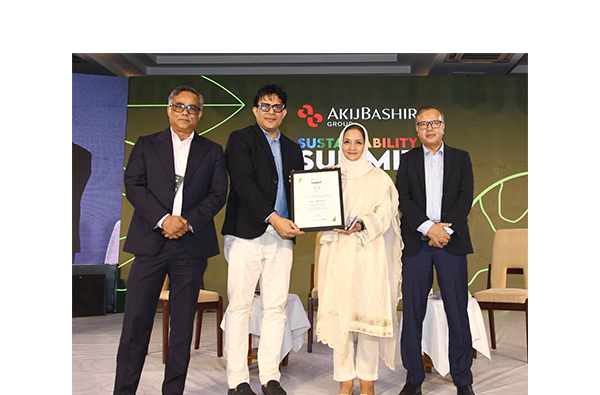
A BGMEA-organised panel highlighted Bangladesh's emergence as a global leader in responsible apparel manufacturing, with 290 LEED-certified factories — the highest in the world — and a growing portfolio of circular economy initiatives.
Bangladesh Sets the Global Benchmark
A high-level panel discussion organised by the Bangladesh Garment Manufacturers and Exporters Association (BGMEA) has reaffirmed Bangladesh's position as a global leader in responsible apparel manufacturing. The panel brought together industry leaders, international buyers, sustainability experts, and policymakers to examine how Bangladesh's RMG sector has transformed from a low-cost sourcing destination into a benchmark for ethical and environmentally responsible garment production.
LEED Green Factory Leadership
Bangladesh now hosts 290 LEED-certified RMG factories — the highest number in any single country worldwide. Of these, 125 are Platinum-rated and 145 are Gold-rated, demonstrating that the country's apparel sector has moved well beyond compliance to embrace world-class green-building standards. The panel noted that 53 of the world's top 100 highest-scoring LEED-certified garment factories are located in Bangladesh, a remarkable concentration of sustainable manufacturing infrastructure.
From Compliance to Strategic Differentiator
Panelists observed that sustainability has evolved from a buyer-imposed compliance requirement into a strategic differentiator for Bangladeshi exporters. Factories are investing in renewable energy, water recycling, zero-liquid-discharge systems, and digital traceability not merely to satisfy audits but to win premium buyers who are willing to pay higher prices for verifiably responsible production. This shift is particularly important as Bangladesh prepares for LDC graduation and the eventual erosion of duty-free market access.
Circular Economy Initiatives Taking Root
The panel highlighted emerging circular economy initiatives within the Bangladesh apparel sector, including post-industrial waste recycling, fibre-to-fibre recycling pilots, and partnerships with international brands to close the loop on garment life cycles. Several BGMEA member factories have begun producing recycled-cotton yarn from cutting waste, while others are experimenting with bio-based dyes and biodegradable packaging. These initiatives align Bangladesh with the EU's forthcoming Digital Product Passport requirements, which will demand granular sustainability data from all apparel imports.
The Road Ahead
Looking forward, the panel called for accelerated investment in renewable energy — particularly rooftop solar — to reduce the sector's carbon footprint, expanded access to green finance for SME factories that cannot afford LEED certification independently, and stronger government-industry collaboration on wastewater management. BGMEA committed to continuing its role as a convener of such dialogues and to publishing a quarterly responsible manufacturing bulletin showcasing member achievements.
This news was originally published by BGMEA. For the full original report, please visit: https://www.bgmea.com.bd/page/BGMEA_Panel_Highlights_Bangladesh%27s_Rise_as_a_Global_Leader_in_Responsible_Apparel_Manufacturing
Related on BangladeshExport
📬 Get Bangladesh Trade News in your inbox
Weekly digest of export industry news, policy updates, and market analysis.
📰 Related Stories