US Federal Reserve Expected to Hold Interest Rates Steady Amid Economic Uncertainty
Global markets watch Fed decision as Bangladesh exports face impact from US monetary policy

Washington, July 26, 2026 — The US Federal Reserve is set to hold its second meeting under new Chairman Kevin Warsh starting Tuesday, with markets expecting policymakers to keep interest rates steady amid inflation concerns that could be exacerbated by US President Donald Trump's renewed tensions with Iran. 🏛
📊 Fed Meeting Context
- 🏛 Institution: US Federal Reserve (central bank of the United States)
- 👥 Chairman: Kevin Warsh (new chairman, second meeting under his leadership)
- 📅 Meeting starts: Tuesday, July 29, 2026
- 📈 Expected action: Hold interest rates steady
- ⚠ Key concerns: Inflation, Iran tensions, economic growth, labor market
🌏 Why Fed Decisions Matter for Bangladesh
🇧🇩 For Bangladesh, the Fed's interest rate decisions are significant because they affect the global economy in multiple ways:
- 💰 Exchange rate effects — higher US rates can strengthen the dollar, making Bangladeshi exports cheaper but increasing import costs for energy and raw materials
- 👥 US consumer demand — higher rates can slow US economic growth, reducing demand for Bangladeshi garments and other exports
- 💰 Capital flows — higher US rates can attract capital away from emerging markets like Bangladesh, reducing FDI inflows
- 📊 Remittance flows — exchange rate changes affect remittance values from Bangladeshi workers in the US and Middle East
- 👕 Competitor pricing — Fed decisions affect currencies of competitor nations like Vietnam, India, and Cambodia, impacting relative export competitiveness
⚠ Inflation and Iran Tensions
🌏 The inflation concerns that could be exacerbated by Trump's renewed tensions with Iran are particularly relevant for Bangladesh. 📊 Higher global oil prices (resulting from Middle East tensions) would directly impact Bangladesh's economy:
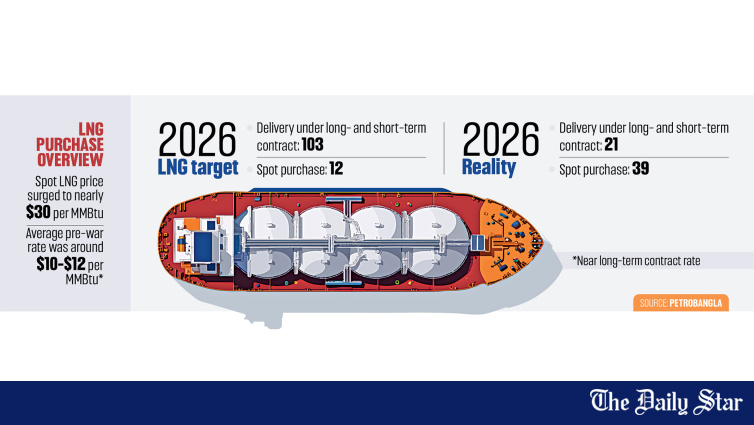
- ⛽ Energy costs — Bangladesh imports LNG and oil, so higher prices increase industrial production costs
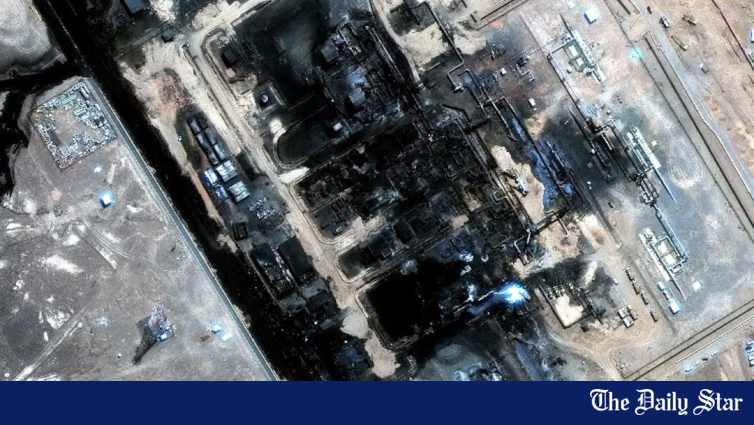
- 🏭 Gas shortage impact — Bangladesh is already facing gas supply issues due to a damaged FSRU; higher oil prices would compound the energy crisis
- 👕 RMG production costs — higher energy costs increase garment production costs, reducing export competitiveness
- 💰 Trade deficit — higher import costs for fuel would widen Bangladesh's trade deficit
📈 Bangladesh Bank's Monetary Policy Alignment
🏛 Bangladesh Bank is also considering its own monetary policy framework, with proposals to shorten the policy cycle from 6 months to 3 months and shift toward an inflation-targeting approach. 📊 The alignment (or lack thereof) between US and Bangladesh monetary policies will be important for:
- 💰 Exchange rate stability — maintaining the taka-dollar rate within a sustainable band
- 👕 Export competitiveness — ensuring Bangladeshi products remain price-competitive in global markets
- 💰 Inflation management — Bangladesh faces its own inflation challenges, separate from US monetary policy
- 📈 Foreign exchange reserves — Fed decisions affect capital flows that impact Bangladesh's reserve position
🌏 For Bangladesh's RMG sector, which exports over $38 billion annually to global markets including the US, the Fed's rate decisions indirectly affect buyer purchasing power and order volumes. 📈 A stable US rate environment could provide some relief for exporters already facing headwinds from new US tariffs, weak global demand, and domestic energy shortages.
This news was originally published by The Daily Star. For the full original report, please visit: https://www.thedailystar.net/business/global-economy/news/fed-expected-hold-rates-steady-4233176
📬 Get Bangladesh Trade News in your inbox
Weekly digest of export industry news, policy updates, and market analysis.
📰 Related Stories