Oil Prices Fall As Iran Says Open To Diplomacy: Brent Crude Drops To $102.16 Amid UNGA Discussions
Brent crude fell 0.9% to $102.16/barrel and WTI eased 0.8% to $91.39 after Iran signalled openness to diplomacy to end the US-Iran war, though significant gaps remain. The development has direct implications for Bangladesh's fuel import bill.
London, September 25, 2026 — Oil prices retreated on Thursday after climbing 4 per cent in the previous session, as Iran said it remained open to diplomacy to end the US-Iran war — though the two countries remain far apart on ways to do so. The development carries significant implications for Bangladesh's fuel import bill and the broader energy market dynamics that drove the September 20 fuel price hike.
📊 Price Movements
- ⛽ Brent crude futures: fell 92 cents, or 0.9 per cent, to $102.16 a barrel (at 0400 GMT)
- ⛽ West Texas Intermediate (WTI) futures: eased 77 cents, or 0.8 per cent, to $91.39
- ⛽ Previous session: prices had climbed 4 per cent on supply concerns.
🌏 The Diplomatic Signal From UNGA
Iran and the United States remain divided over how to bring an end to their war, but diplomacy must continue, a senior Iranian official told Reuters on Wednesday. This came after Iran's president told the UN General Assembly that Tehran would never surrender to US pressure.
The official said Tehran was reviewing Washington's response to its peace proposals — suggesting that back-channel diplomatic engagement is continuing despite the public posture of defiance.
🌏 Why This Matters For Bangladesh
The oil price movement has direct implications for Bangladesh:
- 🇧🇩 Bangladesh's fuel import bill: the country imports virtually all of its crude oil and refined petroleum products — making it highly exposed to global price volatility.
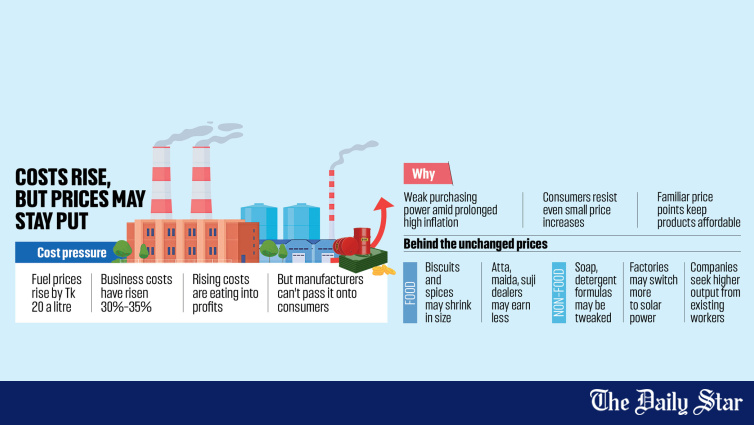
- 🇧🇩 September 20 fuel price hike: the Tk 20 per litre increase was justified partly by elevated global oil prices — if prices fall, the government has committed to adjusting domestic prices.
- 🇧🇩 State Minister Amit's commitment: State Minister for Energy Aninda Islam Amit has promised to cut fuel prices once West Asia tensions ease and global prices fall.
- 🇧🇩 Subsidy burden: lower oil prices would reduce the Tk 480 billion FY27 power-energy subsidy allocation.
- 🇧🇩 LNG prices: oil and LNG prices are correlated — lower oil prices would also ease Bangladesh's LNG import costs.
💼 The US-Iran War Context
The US-Iran war — triggered by US-Israeli attacks on Iran in February 2026 — has been the primary driver of global energy price volatility throughout 2026:
- 🌏 February 2026: US-Israeli attacks on Iran escalated regional conflict.
- 🌏 March-June 2026: Oil prices surged as supply routes through the Strait of Hormuz were disrupted.
- 🌏 July-September 2026: Prices stabilised at elevated levels as the conflict entered a protracted phase.
- 🌏 September 2026 UNGA: Both sides signalled openness to diplomatic engagement — though significant gaps remain.
📊 What $102/Brent Means For Global Markets
Brent crude at $102.16 per barrel represents:
- 💰 Above pre-war levels — Brent was trading around $80-85 before the February 2026 conflict.
- 💰 Below peak crisis levels — prices had spiked above $120 during the initial conflict phase.
- 💰 Still elevated — posing continued cost pressure for importing countries like Bangladesh.
💼 Implications For Bangladesh's Energy Sector
If oil prices continue to fall in response to diplomatic progress, Bangladesh could see several benefits:
- ✅ Lower fuel import costs — reducing the trade deficit.
- ✅ Reduced subsidy burden — freeing fiscal space for development spending.
- ✅ Domestic fuel price cuts — if the government follows through on its commitment.
- ✅ Lower inflation pressure — as transport and production costs ease.
- ✅ Improved export competitiveness — as RMG and other industries see lower energy costs.
📜 Looking Ahead
The oil price movement will depend on the trajectory of US-Iran diplomatic engagement in the coming weeks. Key factors to watch:
- 📝 UNGA sideline meetings — between US and Iranian officials.
- 📝 Iran's review of US peace proposals — and whether substantive progress is made.
- 📝 Strait of Hormuz security — and whether shipping routes normalise.
- 📝 OPEC+ production decisions — in response to price movements.
- 📝 Bangladesh government response — whether domestic fuel prices are adjusted downward.
For now, the market is responding cautiously to the diplomatic signal — with prices retreating but remaining well above pre-war levels. A sustained diplomatic breakthrough could accelerate the price decline — bringing meaningful relief for Bangladesh's energy-importing economy.
This news was originally published by The Daily Star. For the full original report, please visit: https://www.thedailystar.net/business/news/oil-prices-fall-iran-says-it-open-diplomacy-end-the-war-4281751
📬 Get Bangladesh Trade News in your inbox
Weekly digest of export industry news, policy updates, and market analysis.
📰 Related Stories




✍️ More from System Administrator