Oil Markets Enter New Phase: Iran War Now A Sustained Energy Crisis
Crude above $100/barrel as Houthi control of Bab el-Mandeb tightens and Saudi East-West pipeline struck by drones — global inventories down 507 million barrels since war began
📊 With crude oil back above $100 a barrel, markets are adjusting to a new and more volatile phase of the Middle East conflict, one in which many of the safeguards that cushioned the initial blow nearly seven months ago have disappeared. The widening of the conflict into Yemen and drone strikes on a critical Saudi oil pipeline highlight an uncomfortable reality: the Iran war is no longer a short-lived energy supply shock, but a sustained structural disruption to global oil markets.
🏛 US President Donald Trump predicted last week that the conflict would end only after the US midterm elections on November 3. This is a notable shift in tone from an administration that initially suggested the war would last weeks, not months. Whether this new forecast proves correct is impossible to know, but recent developments at two of the world's most important energy arteries suggest it may be very optimistic.
🚢 Houthi Control Of Bab el-Mandeb Tightens
Yemen's Iran-aligned Houthis have made rapid advances over the past week, tightening their grip on the Bab el-Mandeb Strait at the southern entrance to the Red Sea. The group announced a naval blockade of the shipping route in July and has reiterated that transit remains safe for all vessels except those belonging to Saudi Arabia. At the same time, Saudi Arabia's vital East-West oil pipeline, the kingdom's main alternative to the Strait of Hormuz, was temporarily shut after a series of drone attacks launched from Iraq, according to Saudi authorities.
The 1,200-kilometre (745-mile) pipeline has been critical for the kingdom since the Strait of Hormuz began to be disrupted following the outbreak of the war in February. By more than doubling west coast exports via the pipeline during the first five months of the conflict to 4 million to 5 million barrels per day (bpd), equal to roughly 4 percent to 5 percent of global oil supply, Saudi Arabia was able to offset a significant portion of the losses through Hormuz.
- 💰 Crude oil price: above $100/barrel
- 📊 Global inventories decline since war began: 507 million barrels
- 📊 Inventory decline rate: ~2.8 million bpd
- 📊 Saudi East-West pipeline length: 1,200 km (745 miles)
- 📊 Pipeline west coast exports (peak): 4-5 million bpd (~4-5% global supply)
- 📊 Pipeline exports in August: 2 million bpd (lowest since January)
- 📊 Saudi August output: 6 million bpd (lowest in 3 decades)
- 🚢 Hormuz exports since June: ~5 million bpd (25% of pre-war)
- ⛽ Refined products exports: ~60% below pre-war levels
💰 Saudi Pipeline Attack And Production Collapse
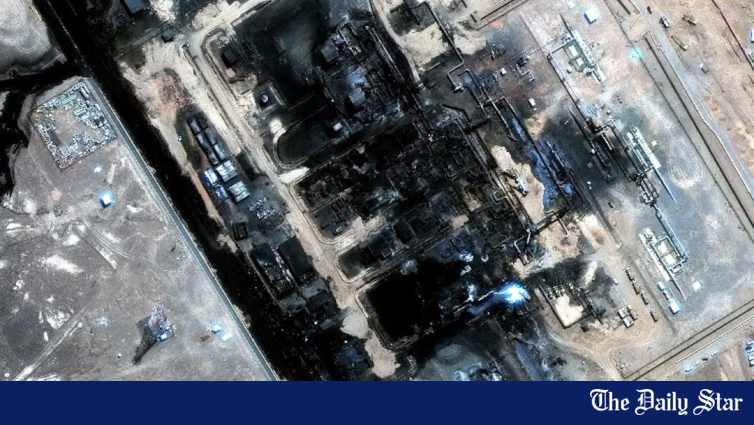
Yet those shipments fell to just 2 million bpd in August, the lowest since January, largely because of the Houthi blockade, according to Kpler data. In turn, output from what was once the world's largest oil exporter fell to 6 million bpd in August, the lowest level in more than three decades, according to the International Energy Agency (IEA). Satellite imagery suggests that at least one pumping station was struck, although the full extent of the damage and the timeline for repairs remain unclear.
Saudi Arabia will also likely be able to draw on stored crude to offset any interruption in pipeline flows for several days. But this escalation comes at a dangerous moment. Disruption to Middle East oil exports, which accounted for around a fifth of global supplies before the war, has sharply eroded global stocks. Inventories have fallen by 507 million barrels, or roughly 2.8 million bpd, since the conflict began, according to the IEA.
The Saudi production collapse to 6 million bpd — the lowest in three decades — represents a structural reduction in global oil supply capacity. Even if the Iran war ends in the near term, the physical damage to Saudi pipeline infrastructure will take months to repair, meaning that Saudi production will remain constrained well beyond the conflict's resolution. This dynamic creates a structural floor under global oil prices that will persist even if geopolitical tensions ease.
🚢 Strait Of Hormuz: Partial Recovery But Fragile
It's true that more crude has been exiting Hormuz in recent months compared to the early months of the war, largely because more vessels have been using a route along Oman's coast under US Navy supervision. Around 5 million bpd of crude oil and refined products have been exported through the strait since June, around a quarter of pre-war levels, according to Kpler, though the real figure may be higher because many ships switch off their navigation systems during transit.
Iranian strikes on over a dozen tankers attempting to cross Hormuz or inside the Gulf last week were a reminder that transits remain risky. Regardless, this status quo is unsustainable. The Middle East remains the most important energy-producing region in the world. Halving crude exports from the Gulf may be manageable for a few months, but certainly not indefinitely.
⛽ Refined Products Crisis: Diesel At Record Levels
Moreover, refined products like diesel, gasoline and jet fuel have fared considerably worse than crude, with exports from the region remaining nearly 60 percent below pre-war levels, according to IEA estimates. This has led to acute fuel shortages, particularly of diesel, pushing prices to record levels. The refined products crisis is particularly damaging because diesel powers the global trucking, shipping and industrial economy — diesel shortages feed directly into goods inflation, food distribution costs and industrial production across both developed and emerging markets.
Further disruption to Saudi Arabia's Red Sea exports would put additional pressure on global inventories. This latest flare-up could also cause ship traffic through Hormuz to shrink once again. Tanker operators remain reluctant to enter conflict zones, freight and insurance costs have surged to all-time highs and naval escorts can only partially mitigate the risks of operating in a war zone.
🌏 Implications For Bangladesh's Energy And Trade Position
For Bangladesh, the sustained oil market crisis carries multiple transmission channels. First, Bangladesh imports over 5 million tonnes of crude and refined petroleum products annually to meet domestic fuel demand. With crude above $100 per barrel and refined product prices surging 60% above pre-war levels, the country's fuel import bill has expanded significantly — putting pressure on foreign exchange reserves and forcing domestic fuel price adjustments that drive headline inflation.
Second, the refined products crisis — particularly the diesel shortage — has direct implications for Bangladesh's industrial economy. Diesel is the primary backup fuel for Bangladesh's power plants when gas-fired generation is constrained, and diesel generators provide backup power for industrial consumers during grid outages. Sustained elevated diesel prices increase industrial operating costs and reduce export competitiveness.
Third, the Bab el-Mandeb disruption documented in the article affects 39% of Bangladesh's foreign trade (worth USD 46.45 billion) that flows through the Red Sea-Suez Canal route. Cargo diversion around the Cape of Good Hope adds 10-12 days to voyage times and $4 million to tanker costs — premiums that ultimately translate into higher import costs and export delivery delays.
🤝 Strategic Imperative: Energy Diversification
The sustained oil market crisis reinforces the strategic imperative for Bangladesh to diversify its energy sources. The government's recently announced plan to add a third FSRU before 2028, drill 300 new gas wells in two phases, and prioritise solar energy in a diversified power system takes on added urgency in light of the sustained Middle East energy disruption.
For Bangladesh's broader economic trajectory, the global oil market situation suggests that elevated energy prices will be a sustained feature of the macroeconomic environment for at least the next 12-18 months — through the US midterm elections in November 2026 and likely beyond. Policy planning for FY27 and FY28 must assume that energy import costs will remain elevated, requiring continued fiscal management of fuel subsidies, sustained focus on energy efficiency, and accelerated deployment of domestic renewable energy capacity to reduce dependence on imported fuel.
The coming months will reveal whether the Iran war resolution timeline suggested by President Trump materialises — or whether the conflict continues beyond the US midterms, prolonging the energy market disruption and deepening the structural changes already underway in global oil flows. Either way, Bangladesh's strategic response — energy diversification, domestic gas exploration acceleration, and renewable capacity expansion — represents the appropriate long-term hedge against sustained global energy market volatility.
This news was originally published by The Daily Star. For the full original report, please visit: https://www.thedailystar.net/business/global-economy/news/oil-markets-survived-the-sprint-now-comes-the-marathon-4272911
📬 Get Bangladesh Trade News in your inbox
Weekly digest of export industry news, policy updates, and market analysis.
📰 Related Stories