Gold Hits 7-Week Peak: Spot Gold at $4,254.98 as Iran Hormuz Hopes Build
Spot gold up 0.2% to $4,254.98 (highest since June 18); US futures $4,312.80; biggest daily gain since February on Wednesday; Iran-Oman Hormuz agreement progress
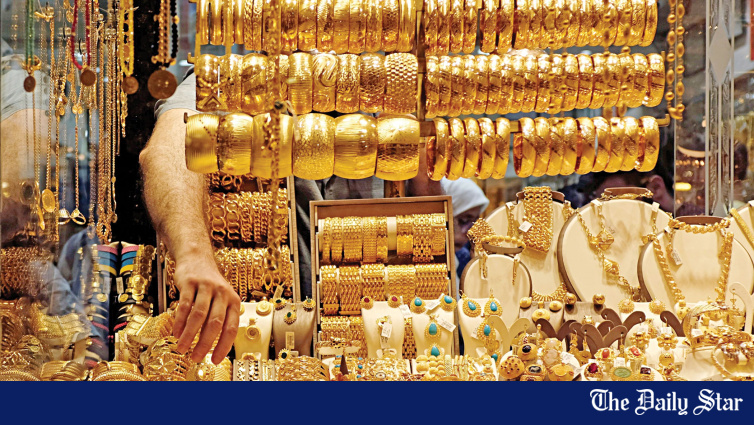
August 6, 2026 — Gold prices surged to a seven-week high on Wednesday, with spot gold touching $4,254.98 per ounce — the highest level since June 18 — as building optimism around a diplomatic breakthrough in the Middle East triggered a sharp rally that has lifted bullion from its conflict-era lows and reignited talk of a possible run toward the $5,000 mark.
💰 The Price Action
Spot gold was up 0.2 percent at $4,254.98 per ounce by 0636 GMT, after earlier hitting its highest level since June 18. The move represents the strongest daily gain since February and marks a sharp reversal from the 19 percent decline that gold suffered since the onset of the US-Iran conflict on February 28 — a decline driven by fears of energy-driven inflation pushing interest rates higher and reducing the relative attractiveness of non-yielding bullion.
- 📈 Spot gold: $4,254.98 per ounce (+0.2% by 0636 GMT)
- 📈 Peak since: June 18, 2026 (7-week high)
- 📉 Decline since Feb 28 conflict onset: −19%
- 📈 Daily gain: Biggest since February
- 🔈 Technical target: $5,000 if 200-day MA broken sustainably
🌏 The Catalyst: Iran-Oman Hormuz Diplomatic Progress
The sharp rally came on building optimism that a diplomatic breakthrough in the Middle East is close to being finalised — one that would mark the most significant de-escalation in the five-month US-Iran conflict. A proposed deal between Iran and Oman to help end five months of war between Iran and the United States would give Tehran control over ships entering the Gulf through the Strait of Hormuz, a senior Iranian source and two regional officials told Reuters.
"This in turn would keep downside pressure on oil prices and reduce the need for central banks to raise rates, providing a clear tailwind for gold," said IG market analyst Tony Sycamore. A sustained break above the 200-day moving average could pave the way for a stronger recovery toward the $5,000 mark, he added — a level that would represent a new all-time high for bullion and a major psychological milestone for the gold market.
📊 Macro Drivers Behind the Rally
Several converging macroeconomic drivers are supporting the gold rally:
- 📉 Rate expectations: Market expectations for a September US rate hike have eased to 55 percent from 67 percent two days earlier — lower rates reduce the opportunity cost of holding non-yielding bullion.
- 💵 US dollar weakness: The US dollar index was under pressure. A weaker US currency makes dollar-priced commodities cheaper for holders of other currencies, supporting demand from emerging market central banks and retail buyers in Asia.
- 🛢️ Oil price outlook: The Iran-Oman deal would keep downward pressure on oil prices by reducing the risk of supply disruption through the Strait of Hormuz — lower oil means lower inflation, which means lower rates, which means higher gold.
- 📈 Safe-haven rotation: With geopolitical risk declining in the Middle East, capital is rotating from crisis-era safe havens (US dollar, US Treasuries) into gold as a hedge against the next phase of macro uncertainty.
🧭 Why Gold Fell 19% During the Conflict — and Why It's Recovering Now
The 19 percent decline in gold since the February 28 onset of the US-Iran conflict seems counterintuitive at first glance — gold is supposed to be a safe haven that rises during crises. But the explanation lies in the inflation-channel effect: the conflict triggered a spike in oil prices (which briefly passed through the Strait of Hormuz disruption premium), which in turn pushed up inflation expectations, which in turn led markets to price in more aggressive central bank rate hikes. Gold, which yields no interest, becomes relatively less attractive when rates rise — hence the decline.
The reversal now under way reflects the unwinding of that chain: Iran-Oman diplomatic progress → lower oil prices → lower inflation expectations → lower rate-hike probability → lower opportunity cost of holding gold → higher gold prices. This is the classic "goldilocks for gold" macro setup, and the speed of the rally suggests that speculative positioning had become extremely bearish — setting up a sharp short-covering rally on any positive news.
📈 What Comes Next: US Nonfarm Payrolls
Investors are awaiting the July US nonfarm payrolls report scheduled for release on Friday. The ADP national employment report showed that US private payrolls growth slowed in July — an early signal that the US labour market may be cooling. "A soft payrolls reading would add further support to gold, while a strong rebound could create short-term pressure as markets reassess the policy timeline," said Joshua Rotbart, founder of J. Rotbart & Co., a Hong Kong-based precious metals trading and storage firm.
The payrolls report is the single most important data point before the Federal Reserve's September meeting, and gold traders will be watching it closely. A weaker-than-expected number would reinforce the case for a rate pause or cut in September, pushing gold toward the $4,400–$4,500 range. A stronger number would force markets to reprice rate-hike probabilities back up, potentially triggering a short-term correction toward the $4,100–$4,150 support zone.
🌏 Implications for Bangladesh and South Asia
The gold rally has direct implications for Bangladesh, where gold jewellery is both a cultural necessity (particularly for weddings) and a significant informal savings vehicle. Bangladesh imports most of its gold through official channels via Bangladesh Bank's approved importers, with additional unofficial flows through the hawala network. A rising gold price increases the cost of imports — widening the current account deficit — but also increases the value of the existing gold stock held by Bangladeshi households, which is estimated at several thousand tonnes. For the broader South Asian region, including India (the world's second-largest gold consumer), the rally will test consumer demand elasticity — higher prices typically reduce offtake in the short term but increase investment demand if the rally is perceived as sustainable.
The rally also has implications for the Bangladesh government's revised Gold Policy 2026, which aims to formalise the gold trade and reduce smuggling. Higher international prices increase the arbitrage incentive for smuggled gold, making the policy's anti-smuggling provisions more urgent — while also increasing the potential tax revenue from formal imports if the policy successfully channels demand through official channels.
✅ What to Watch
Three indicators will determine whether gold sustains its rally or fades back below $4,200: (i) the Iran-Oman deal's finalisation timeline, with any signing ceremony likely to trigger the next leg up; (ii) Friday's US nonfarm payrolls print, where a sub-100,000 number would be strongly bullish for gold; and (iii) whether spot gold can close above the 200-day moving average on a weekly basis — a technical signal that would confirm the trend change and open the path toward the $5,000 target identified by IG's Sycamore.
This news was originally published by The Daily Star. For the full original report, please visit: https://www.thedailystar.net/business/global-economy/news/gold-hits-7-week-peak-4241711
📬 Get Bangladesh Trade News in your inbox
Weekly digest of export industry news, policy updates, and market analysis.
📰 Related Stories