Fuel Price Hike Raises Fears Of Further Rise In Essentials: Dhaka Markets
Prices of most essentials remain unchanged for now, but traders and consumers fear higher transport and supply costs could push them up; vegetable prices already elevated
📊 The recent increase in fuel prices has raised concerns over another round of price hikes in Dhaka's markets, which are already under pressure from elevated prices of essential goods. While most commodities have yet to see a direct impact from the fuel price hike, traders and consumers fear prices could rise if transportation and supply costs increase.
🛍 The situation emerged from visits to several markets in the capital and conversations with buyers and sellers on September 21. Miraj Ahmed, a grocery shopkeeper at New Market, said prices had not changed yet due to the fuel price hike. "Prices of our products have not changed so far because of the fuel price increase. However, if the cost of transporting goods rises, prices of some products may go up in the coming days," he said. He said higher transport costs would eventually be added to the prices of goods bought from wholesale markets. "However, it is too early to say which products will become more expensive and by how much," he added.
💰 Current Market Prices: Already Elevated
- 👥 Green beans: Tk 240/kg
- 👥 Round eggplant: Tk 140/kg
- 👥 Tomatoes: Tk 100/kg
- 👥 Green chillies: Tk 200/kg
- 👥 Yardlong beans: Tk 100/kg
- 👥 Ridge gourd: Tk 60/kg
- 👥 Snake gourd: Tk 60/kg
- 👥 Pointed gourd: Tk 70/kg
- 👥 Sweet pumpkin: Tk 60/kg
- 👥 Papaya: Tk 20/kg (cheapest)
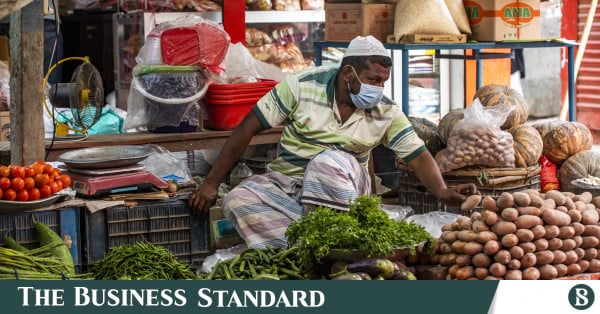
A visit to the markets showed that vegetable prices remain high — with green beans at Tk 240/kg, round eggplant at Tk 140/kg, tomatoes at Tk 100/kg and green chillies at Tk 200/kg. These elevated prices reflect the existing inflationary pressure that has been building through 2026, driven by the Middle East war's impact on energy and food prices, the domestic gas supply crisis that constrained agricultural production, and the broader macroeconomic stress.
🌏 Transmission Lag: Transport Cost Passthrough
The lag between the fuel price hike (announced September 20, effective September 21) and the eventual impact on retail commodity prices reflects the supply chain structure. Goods currently on retail shelves were transported before the fuel price hike took effect — meaning their transport costs were based on the previous diesel price of Tk 115/litre. As new shipments arrive with transport costs based on the new Tk 135/litre diesel price, the increased costs will be reflected in wholesale prices and eventually passed through to retail.
The transmission lag — typically 1-2 weeks for perishable goods and 2-4 weeks for non-perishables — means that the full impact of the fuel price hike on retail commodity prices will become visible in early to mid-October. By that time, the combination of higher transport costs, the existing inflationary pressure, and the approaching winter season (which typically sees vegetable price increases due to reduced supply) could create a compounding inflationary effect.
📜 Strategic Context: Inflation Management Challenge
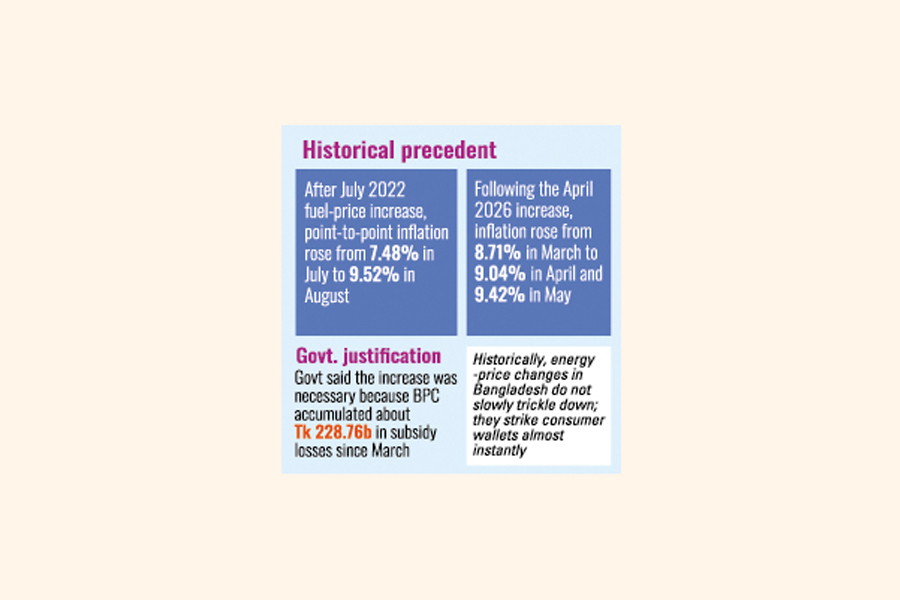
For Bangladesh's broader inflation management, the fuel price hike's passthrough to essential commodity prices represents the most immediate macroeconomic challenge. With headline inflation already above 8% — well above the government's 7.5% FY27 target — the fuel price hike's contribution to consumer price inflation could push headline inflation further into uncomfortable territory. The CPD's Dr Fahmida Khatun has already warned that the fuel price hike will have "wide-ranging consequences" — with the essential commodities price impact being the most visible and politically sensitive dimension.
The coming weeks will reveal the actual magnitude of the commodity price impact — and whether the government's market monitoring and price control mechanisms can prevent traders from using the fuel price hike as a pretext for excessive price increases that exceed the actual cost passthrough. For ordinary consumers already struggling with elevated food prices, any further increase in essentials prices would compound the household-level financial pressure that the fuel price hike has created.
This news was originally published by The Business Standard. For the full original report, please visit: https://www.tbsnews.net/economy/fuel-price-hike-raises-fears-further-rise-essentials-1549216
Related on BangladeshExport
📬 Get Bangladesh Trade News in your inbox
Weekly digest of export industry news, policy updates, and market analysis.
📰 Related Stories