Creative Industries to Become Mainstream Economic Driver: Finance Minister
Amir Khosru pledges budget funds, e-commerce support and a soft-power push for artisans and cultural exports
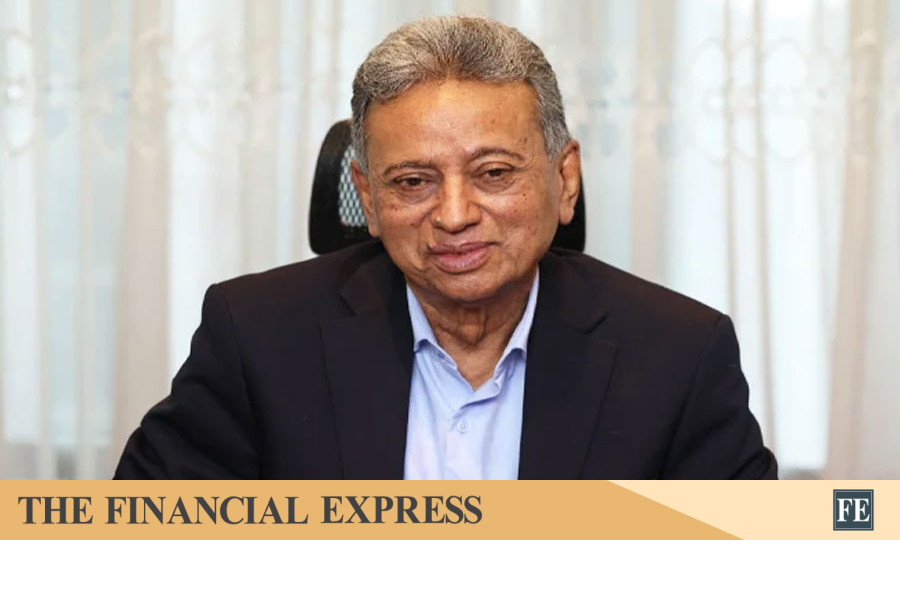
🎭 The government wants to establish creative industries as a mainstream economic sector and a source of Bangladesh's soft power on the global stage, Finance Minister Amir Khosru Mahmud Chowdhury said on Saturday. Arts and culture, rural handicrafts, music, films and theatre must be integrated into mainstream economic activities to become key drivers of the country's future GDP growth and strengthen Bangladesh's soft power internationally, the minister said — a framing that places culture squarely inside the growth agenda rather than at its decorative edges.
📚 The finance minister made the remarks while speaking as chief guest at the unveiling ceremony of the book Creative Footprints, jointly organised by Standard Chartered Bank and the Bengal Foundation at a city hotel. He said traditional economic thinking had consistently placed arts and culture behind other economic activities, but the present government has decided to move beyond that approach and incorporate the creative economy as a new driver of the country's economic aspirations and growth, according to a Finance Ministry press release.
🤝 The government alone cannot implement all the initiatives required to develop the sector, the minister cautioned, adding that strong partnerships with the private sector and non-governmental organisations (NGOs), alongside appropriate policies and financing, would play a crucial role in advancing creative industries. He noted that the government has already allocated the necessary funds for the sector in the national budget, while private-sector organisations have also shown interest in making substantial investments.
🚀 The plan in practice
- 💰 Financial assistance to local artisans, painters and cultural workers.
- 🎓 Support for skills development, design, branding and marketing.
- 🛒 Market access through international e-commerce platforms such as Amazon, eBay and Alibaba.
- 🌏 Conversion of creative work into sustainable income for marginalised artists and fair prices for their products.
📈 These initiatives would help marginalised artists and artisans secure fair prices for their products and convert their creative work into sustainable income, the minister said. The measures would also improve their living standards, create employment opportunities and contribute to foreign exchange earnings — placing the creative sector, at least rhetorically, in the same export-earning category the country has long reserved for garments and pharmaceuticals.
🎶 Emphasising the international significance of Bangladesh's cultural heritage, Amir Khosru said creative industries represent more than art, handicraft or business; they are also an important source of the country's soft power. Through music, theatre, films and handicrafts, we want to strengthen Bangladesh's position on the global stage, he said. The finance minister thanked Standard Chartered Bank and the Bengal Foundation for the initiative and expressed optimism that joint efforts by the government and private sector would bring about a cultural and economic transformation in the country. British High Commissioner to Bangladesh Sarah Cooke attended the event as a special guest, while Bengal Foundation Chairman Abul Khair Litu and Standard Chartered Bank Chief Executive Officer Enamul Haque were also present.
🌏 Why the creative economy argument finally adds up
💸 The minister's framing tracks a global shift. The creative economy — from design services and film to crafts and games — is now measured in trillions of dollars worldwide, and developing countries that industrialised on manufacturing have repeatedly used creative exports as the next rung on the value ladder. South Korea turned cinema and music into export industries; Thailand built global brands on design and food culture. Bangladesh's assets are different — the handloom and jamdani traditions, nakshi kantha, terracotta, folk music, a growing animation and game outsourcing scene, and one of South Asia's liveliier film and streaming markets — but the mechanism is the same: cultural products carry margins that commodity exports cannot.
📖 The binding constraints are equally familiar. Artisan supply chains are fragmented; quality standardisation and certification are weak; intellectual-property protection is thin; and the logistics of selling jamdani or leather crafts on Amazon involve barcodes, return policies and marketing budgets that individual weavers cannot shoulder alone. This is precisely where the minister's emphasis on skills development, branding and platform access is aimed — and where the promised partnerships with banks and NGOs will determine whether the budget allocation becomes visible in artisan incomes or remains a line item in the accounts.
🧩 There is also a domestic employment case. Creative industries are labour-intensive and widely distributed — a documentary crew, a theatre group, a craft cluster in Jamalpur or Tangail all generate local livelihoods that cannot be automated or offshored, and that employ women and rural youth in ways garment-floor jobs alone never fully did. For a policy establishment searching for post-LDC growth engines, the creative economy is one of the few sectors that combines export potential, inclusion and cultural dividends in the same portfolio.
🔭 The test, as ever with cultural policy, is execution: whether the e-commerce onboarding of artisans actually happens at scale, whether financing reaches practitioners rather than intermediaries, and whether Bangladeshi creative products begin appearing in international retail and streaming catalogues. The minister has named the destination; the artisans, banks and platforms will decide the arrival time.
This news was originally published by The Financial Express. For the full original report, please visit: https://thefinancialexpress.com.bd/bangladesh/govt-wants-to-establish-creative-industries-as-mainstream-economy-finance-minister
Related on BangladeshExport
📬 Get Bangladesh Trade News in your inbox
Weekly digest of export industry news, policy updates, and market analysis.
📰 Related Stories