Bangladesh Trade Deficit Widens 24% to $23.98B as Remittances Hit Record
FY2026 closed with the trade gap 24% wider at $23.98 billion, but record remittances of $35.5 billion cushioned the current account.
📉 Bangladesh's trade deficit widened by 24% to reach $23.98 billion in FY2026, a reminder that the external balance remains under pressure even as other parts of the economy show resilience. The good news came from a different channel: remittances climbed to a historic high of $35.5 billion, cushioning the current account and helping stabilise foreign exchange reserves.
What the Trade Deficit Number Means 📊
A 24% widening of the trade gap to $23.98 billion means that imports outpaced exports by a larger margin than the previous year. Several factors drove the gap:
- 📉 Export softness: Merchandise exports weakened in several months of the fiscal year, capping the dollar inflow from trade.
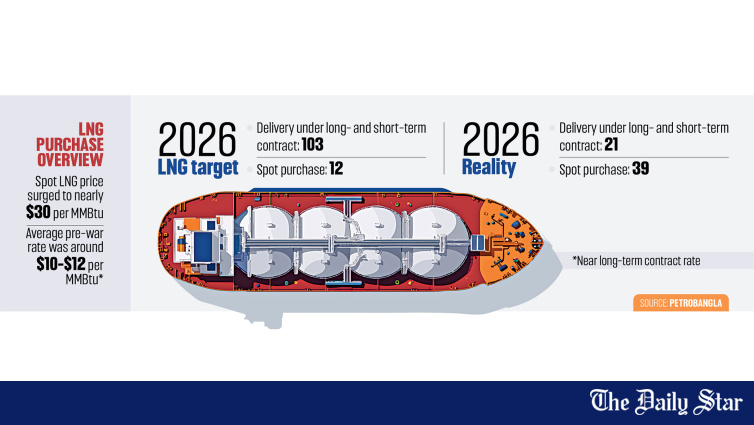
- 🛢️ Energy imports: Higher LNG and fuel bills inflated the import line, especially during periods of elevated global energy prices.
- 🏭 Industrial inputs: Capital machinery and intermediate goods imports remained elevated as factories invested in upgrades.
- 🌾 Food and commodity imports: Selected agricultural and consumer goods added to the import bill.
While a widening deficit often raises alarm bells, the composition matters. Importing capital machinery and industrial inputs can be a productive use of foreign exchange if it lifts future export capacity.
The Remittance Cushion 💵
The headline that kept the picture from darkening was remittances. At $35.5 billion, FY2026 set a new record, reflecting the resilience of the Bangladeshi diaspora and the impact of policy measures to channel inflows through formal banking channels.
Remittances matter for several reasons:
- 🏦 They provide a steady stream of foreign exchange that supports reserve coverage.
- 👥 They fund household consumption and small-business activity across the country.
- 💱 They help stabilise the taka against the dollar during periods of trade-driven outflow.
- 🛡️ They reduce reliance on short-term external borrowing to fund the current account.
In effect, remittances did much of the heavy lifting that exports could not in FY2026.
The Bangladesh Bank Angle 🏛️
The central bank's policy choices shaped how the trade-deficit and remittance dynamics played out. Exchange-rate management, incentives for formal remittance channels and reserve-deployment decisions all influenced the year-end position. The central bank faces a delicate balancing act in FY2027:
- ⚖️ Keeping the taka competitive enough to support exports without stoking import-led inflation.
- 💾 Preserving reserve adequacy while meeting legitimate dollar demand for imports.
- 🔄 Encouraging formal remittance channels to maintain the record inflow momentum.
The LDC Graduation Context 🌏
The widening trade deficit also frames the LDC graduation conversation. Post-graduation, Bangladesh will lose preferential export access, which could further pressure the trade balance unless diversification and competitiveness gains accelerate. A strong remittance base buys time, but it is not a substitute for a competitive export engine.
Policymakers are increasingly viewing the trade deficit and remittance story as two sides of the same coin: the country needs both a stronger export pipeline and a continued healthy remittance flow to navigate the post-LDC transition smoothly.
What to Watch in FY2027 👀
- 📈 Whether export growth revives enough to narrow the trade gap organically.
- 💵 Whether remittances can sustain or exceed the $35.5 billion mark.
- ⛽ How global energy prices shape the import bill in coming quarters.
- 🏦 The central bank's reserve and exchange-rate posture.
The 24% wider trade deficit is a yellow flag, but the record remittance cushion is a green one. The net colour of FY2027 will depend on which signal grows louder. 🚦
This news was originally published by The Financial Express. For the full original report, please visit: https://thefinancialexpress.com.bd/bangladesh/trade-deficit-widens-24ps-in-fy26
📬 Get Bangladesh Trade News in your inbox
Weekly digest of export industry news, policy updates, and market analysis.
📰 Related Stories